

TL;DR:
- Genuine sustainable jewelry relies on ethical sourcing, recycled metals, and third-party certifications.
- Lab-grown diamonds’ environmental impact varies depending on energy sources; renewables significantly reduce emissions.
- Innovations like bio-based materials and 3D printing are advancing low-impact, ethical jewelry options.
Choosing truly sustainable jewelry sounds straightforward until you start reading brand claims. Nearly every jewelry company uses words like “eco-friendly” or “responsible,” but few back those claims with real data. Greenwashing is rampant in the fine jewelry industry, and for eco-conscious shoppers who care deeply about where their stones come from and how their metals were sourced, that’s a serious problem. This guide cuts through the noise. You’ll find a clear framework for evaluating sustainability, standout brand examples, a side-by-side environmental comparison, and emerging material innovations that are reshaping what ethical luxury actually looks like.
Table of Contents
- What makes jewelry sustainable?
- Standout examples of sustainable jewelry brands
- Lab-grown vs. mined: Sustainability by the numbers
- Beyond diamonds: Innovations in sustainable jewelry materials
- Why verifying sustainability matters more than ever
- Find your sustainable jewelry: Expertly crafted, ethical, and unique
- Frequently asked questions
Key Takeaways
| Point | Details |
|---|---|
| Prioritize transparency | Choose jewelry brands that prove their sustainability with certifications, energy source disclosure, and material traceability. |
| Lab-grown outperforms mined | Ethically made lab-grown diamonds can slash emissions and water use compared to mined stones. |
| Customization boosts impact | Opting for bespoke and made-to-order designs with recycled metals maximizes sustainability and uniqueness. |
| New materials are emerging | Innovative biomaterials and 3D printing are reducing raw material usage and environmental footprint in jewelry. |
What makes jewelry sustainable?
Before highlighting specific brands, let’s nail down what actually counts as sustainable jewelry. The term gets stretched in all directions, so grounding it in concrete criteria is essential.
At its core, sustainable jewelry rests on four pillars:
- Ethical gemstones: Lab-grown diamonds produced using renewable energy, or traceable mined stones with conflict-free documentation
- Responsible metals: Recycled gold, platinum, or silver that avoids new mining and its associated land disruption
- Fair labor: Workers across the supply chain are paid fairly and operate in safe conditions, verified by audits
- Third-party certification: Independent bodies like the International Gemological Institute (IGI), the Gemological Institute of America (GIA), and the Responsible Jewellery Council (RJC) verify that claims are real
Certifications matter enormously here. The RJC’s Laboratory Grown Material Standard (LGMS) specifically addresses lab-grown diamonds, requiring verified ethical handling, human rights compliance, and supply chain responsibility. If a brand carries LGMS certification, that’s a meaningful signal, not just marketing copy.
Lab-grown diamonds themselves are produced through two main methods. The HPHT and CVD processes both create chemically identical diamonds to mined stones, but their environmental footprint depends heavily on the energy grid powering the facility. A lab running on solar or wind is genuinely low-impact. A lab drawing from a coal-heavy grid? Not so much.
When evaluating any brand, look for eco-friendly jewelry criteria that go beyond vague promises. Ask for life cycle assessment (LCA) data, renewable energy documentation, and named certification bodies.
Pro Tip: “Carbon-neutral” labels are not all equal. Some brands offset emissions by planting trees rather than reducing them at the source. Demand actual LCA data that shows emissions at each production stage, not just a net-zero claim at the end.
Standout examples of sustainable jewelry brands
Now that you know what to look for, see how leading brands stack up with specific sustainable jewelry pieces.
| Brand | Key sustainability feature | Certification | Notable product |
|---|---|---|---|
| Lolovivi | Carbon-neutral, 14K solid gold | IGI | E/F VS lab-grown solitaires |
| 33Carat | Fully bespoke, ethical materials | GIA options | Custom engagement rings |
| Lumeo | 18K gold, made-to-order | Strong certification claims | Lab-grown gold rings |
| Leonids | VVS lab diamonds, traceable | IGI-certified | Minimalist fine jewelry |
These brands represent what genuine commitment looks like in practice. Sustainable jewelry brands like Lolovivi, 33Carat, Lumeo, and Leonids have built carbon-neutral, IGI-certified, and bespoke offerings around lab-grown diamonds and recycled or solid gold, setting a real benchmark for the industry.
Lolovivi stands out for transparent pricing and clear stone grading. Their E/F VS lab-grown diamonds in 14K solid gold settings give you luxury-level quality without the ethical ambiguity of mined stones. 33Carat takes a different angle, focusing on the bespoke experience so you can specify recycled metals and choose your stone’s origin directly. Lumeo’s lab-grown gold rings are made to order, which eliminates overproduction waste entirely. Leonids keeps it clean with IGI-certified VVS lab diamonds in minimalist designs.
A few things to look for across all these brands:
- Made-to-order production models that reduce inventory waste
- Named certifications with verifiable certificate numbers
- Specific metal sourcing details (recycled percentage, refinery name)
- Published sustainability reports or LCA summaries
Understanding lab-grown diamonds’ impact on the broader environment helps you ask better questions. And if you’re shopping for a milestone piece, exploring ethical engagement ring options or browsing the best lab-grown diamond rings available in 2026 gives you a strong starting point.
Pro Tip: Bespoke retailers are your best ally for full customization. Ask specifically for recycled metal settings and request the stone’s growth facility location. Reputable brands will answer without hesitation.
Lab-grown vs. mined: Sustainability by the numbers
But how do these brands’ practices compare to traditional alternatives? Let’s break down the environmental math.
| Metric | Lab-grown (renewables) | Lab-grown (coal grid) | Mined diamond |
|---|---|---|---|
| CO2 per carat | 6-30 kg | Up to 50+ kg | ~160 kg |
| Water per carat | ~70 liters | ~70 liters | ~480 liters |
| Land disruption | None | None | Significant |
| Conflict risk | Very low | Very low | Variable |
The numbers are striking. Lab-grown diamonds can use 80-97% less carbon and 90% less water than mined diamonds, but only when the production facility runs on clean energy. That caveat is critical.
“Not all lab-grown is sustainable. Ask for renewable energy documentation and full LCA transparency before you buy.”
When a lab draws from a coal-heavy regional grid, its CO2 output per carat can climb past 50 kg, narrowing the gap with mined stones considerably. The diamond carbon footprint study data makes clear that energy source is the single biggest variable in a lab-grown diamond’s true environmental cost.
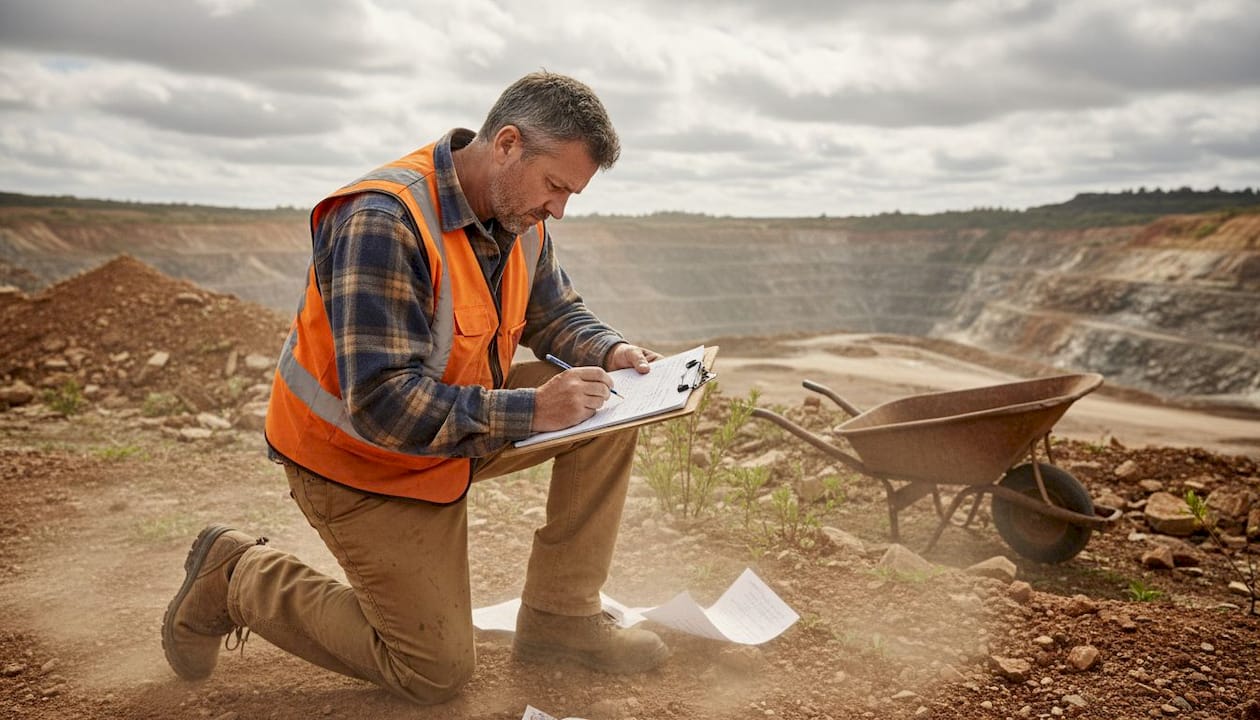
Mined diamonds carry a different set of burdens. Beyond the roughly 160 kg of CO2 per carat, open-pit mining displaces entire ecosystems, consumes vast water resources, and in some regions still carries conflict and labor abuse risks despite certification programs. Water use alone is nearly seven times higher per carat compared to lab-grown production.
Understanding how lab diamonds are created helps you evaluate these numbers in context. And if you want the full picture on what ethical luxury really means in 2026, the gap between lab-grown and mined is wide, but only when you choose the right producer.
Key takeaway: Lab-grown using renewables can emit as little as 6 kg CO2 per carat. That’s not a rounding error compared to 160 kg for mined. It’s a fundamental difference.
Beyond diamonds: Innovations in sustainable jewelry materials
Sustainable jewelry isn’t just about diamonds. Here are emerging materials making real waves.
The next frontier in ethical fine jewelry involves rethinking the entire material palette. Three innovations are leading the charge:
- Recycled gold and platinum: Reclaiming metals from existing jewelry, electronics, and industrial sources eliminates the need for new mining entirely. Recycled gold carries the same purity and workability as newly mined metal.
- Biopolymer and composite gems: Researchers are developing gem-quality stones from bio-based materials that require no mining and minimal energy to produce. These aren’t cheap plastic substitutes. They’re engineered materials with genuine optical properties.
- 3D-printed jewelry: Additive manufacturing uses only the material needed for a specific design, reducing metal consumption by up to 50% compared to traditional casting methods.
“Jewelry’s next green leap: bio-based and 3D-printed designs are rewriting what sustainable luxury can look like.”
Eco-jewelry innovations including biomaterials and 3D-printed designs can halve metal use and cut water needs by 33-60% compared to conventional manufacturing. That’s a meaningful reduction across an industry that processes millions of pieces annually.
Sustainable fashion trends in 2026 show that 60% of high-end fashion consumers now prioritize sustainability, and jewelry is following that shift. Brands piloting these materials are positioning themselves ahead of a major market transition.
For shoppers, this means asking brands a new set of questions. Does the setting use recycled metal? Is the piece cast traditionally or produced through additive manufacturing? Are there vegan or cruelty-free material options available? Exploring ethical fine jewelry in this broader sense opens up design possibilities that simply didn’t exist five years ago.
The most forward-thinking brands are combining lab-grown stones with recycled metals and 3D-printed settings, creating pieces that are genuinely low-impact from raw material to finished product.
Why verifying sustainability matters more than ever
Here’s the uncomfortable reality most lab-grown diamond enthusiasts don’t want to hear: choosing lab-grown does not automatically make your jewelry sustainable. It’s a necessary first step, not a finish line.
Coal-powered lab-grown production can be as carbon-intensive as mining, and some of the fastest-growing lab-grown producers operate in regions where coal dominates the energy grid. A beautiful IGI-certified stone grown in a coal-heavy facility may carry a larger carbon footprint than a carefully sourced, small-scale mined diamond. That’s a fact the industry rarely advertises.
This is why we believe certifications and full supply chain audits are non-negotiable. A brand that genuinely prioritizes sustainability will welcome scrutiny. They’ll share their LCA data, name their energy suppliers, and explain exactly how their metals were sourced. Brands that deflect those questions with vague “eco-friendly” language are telling you something important.
The good news is that the tools for verification are improving. LGMS certification, renewable energy documentation, and published LCAs are becoming more accessible. Shoppers who understand the real benefits of lab diamond choices are better equipped to demand that transparency.
Pro Tip: Ask any brand you’re considering for their specific energy source documentation and a published LCA. A genuinely green producer will have both readily available.
True sustainability in jewelry means combining ethically grown or sourced stones with recycled metals, clean energy production, and verified labor practices. Any brand claiming otherwise is selling you a partial story.
Find your sustainable jewelry: Expertly crafted, ethical, and unique
You now have the framework to shop with real confidence. But knowing what to look for is only half the equation. Finding a retailer that actually delivers on every standard is where most shoppers get stuck.
At Eternal Carat, we specialize in IGI and GIA-certified lab-grown diamonds paired with fully bespoke design services, so every piece you create reflects both your values and your vision. Our transparent sourcing, appointment-only consultation model in Parker, Colorado, and sustainable lab-grown jewelry collection give you a genuinely different kind of luxury experience. Whether you’re ready to design something one-of-a-kind or want expert guidance on buying lab-grown diamonds, we’re here to help you make a choice you’ll feel good about for decades.
Frequently asked questions
How do I verify that a jewelry brand is truly sustainable?
Look for third-party certifications like LGMS (IGI, GIA, RJC), published life cycle assessments, documented renewable energy use, and full material traceability from source to setting.
Are all lab-grown diamonds sustainable?
No. Only lab-grown diamonds produced with renewable energy and verified low emissions qualify as truly sustainable. Coal-powered labs can erase the environmental advantage entirely, matching or exceeding mined diamond emissions.
What are the best eco-friendly materials for sustainable jewelry?
Lab-grown diamonds with renewable energy, recycled gold or platinum, and next-generation biomaterials are the leading choices. Biomaterials and 3D printing can reduce material use by up to 50%, making them strong contenders for the future of ethical jewelry.
How much lower is the carbon footprint of lab-grown vs. mined diamonds?
Significantly lower when renewables are used. Lab-grown with renewables emits as little as 6-30 kg of CO2 per carat, compared to roughly 160 kg per carat for mined diamonds, a reduction of up to 97%.


