

TL;DR:
- Understanding silver types and market prices is essential for fair jewelry valuation.
- Proper documentation and multiple offers increase the chances of maximizing payout.
- Local relationships, provenance, and asking insightful questions lead to better sale outcomes.
Selling silver jewelry in Colorado feels straightforward until it isn’t. Prices shift with the spot market, buyers vary wildly in what they offer, and the state has its own tax nuances that can quietly eat into your payout. Many sellers walk away having left real money on the table, not because their pieces lacked value, but because they skipped a few critical steps. This guide gives you a clear, practical roadmap, from understanding what you actually own to navigating the paperwork, so you get a fair price and no unpleasant surprises at tax time.
Table of Contents
- What you need to know before selling silver jewelry
- How to get the highest value: Step-by-step process
- Understanding taxes and paperwork when selling silver
- Common mistakes Colorado sellers make (and how to avoid them)
- Our experience: The overlooked factors that make or break a silver sale
- Ready to sell? Why trust your silver jewelry with Colorado’s experts
- Frequently asked questions
Key Takeaways
| Point | Details |
|---|---|
| Know your jewelry type | Understanding whether your piece is bullion, designer, or art impacts its value and how it’s taxed. |
| Choose the right buyer | Compare local jewelers, reputable dealers, and online options for the best market rate and safe transaction. |
| Prepare required paperwork | Stay compliant and avoid delays by bringing proper ID, documentation, and asking about IRS reporting needs. |
| Avoid common selling risks | Don’t skip appraisals, documentation, or buyer research to secure your highest value and peace of mind. |
What you need to know before selling silver jewelry
Before you approach a single buyer, you need to understand what type of silver you’re selling and what the current market says it’s worth. These two factors shape everything from which buyer to approach to how much you can reasonably expect.
Types of silver and how they affect your sale
Not all silver jewelry is valued the same way. Here’s a breakdown of the main categories you’ll encounter:
- Sterling silver (925): The most common type, containing 92.5% pure silver. Everyday chains, rings, and bracelets often fall here. Value is largely tied to silver’s spot price.
- Fine silver (.999): Rarer in jewelry form, but commands a slightly higher melt premium because of higher purity.
- Antique or estate silver: Age, maker’s marks, and historical significance can push value far above melt price. A Victorian-era brooch or an Art Deco cuff may be worth many times its raw silver content.
- Designer or branded silver: Pieces from names like Tiffany & Co. or Georg Jensen carry a brand premium. A buyer who understands fine jewelry terminology will recognize and pay for this premium.
- Scrap silver: Broken chains, single earrings, and damaged pieces are typically valued at or near melt price. Condition matters less here, but weight and purity still matter.
Checking market prices before you go
Silver’s spot price changes daily, sometimes by a meaningful percentage. Before any appointment, check a reliable metals pricing source like Kitco or the London Bullion Market Association for the current price per troy ounce. A troy ounce equals approximately 31.1 grams, which is slightly heavier than a standard ounce. Knowing this number gives you a floor for negotiations and prevents you from accepting an offer that’s embarrassingly low relative to actual market conditions.
Colorado legal and tax considerations
Here’s where Colorado sellers often get caught off guard. The state has specific rules about what qualifies as a taxable sale, and federal rules layer on top of that.
| Item type | Colorado sales tax treatment | Federal capital gains |
|---|---|---|
| Silver bullion (coins, bars) | Exempt from sales tax | Potentially taxable as collectible |
| Sterling silver jewelry | May be taxable as art/goods | Potentially taxable |
| Antique/estate jewelry | May be taxable as art/goods | Potentially taxable |
| Scrap silver | Varies by transaction structure | Potentially taxable |
On the federal side, Form 1099-B is commonly triggered by dealers when sales meet certain quantity or value thresholds. This matters even if you personally believe you’re under a reporting threshold. Dealers have their own obligations, and those obligations can apply to your transaction regardless of your personal situation.
Documentation to gather before seeking offers
Before your first appointment, pull together: original purchase receipts if you have them, any existing appraisal certificates, photos of all pieces, and any documentation of maker’s marks or designer provenance. This preparation signals to buyers that you are informed and makes it harder for them to lowball you.
How to get the highest value: Step-by-step process
With your preparations in place, here’s the exact process to follow for getting the best deal on your silver jewelry.
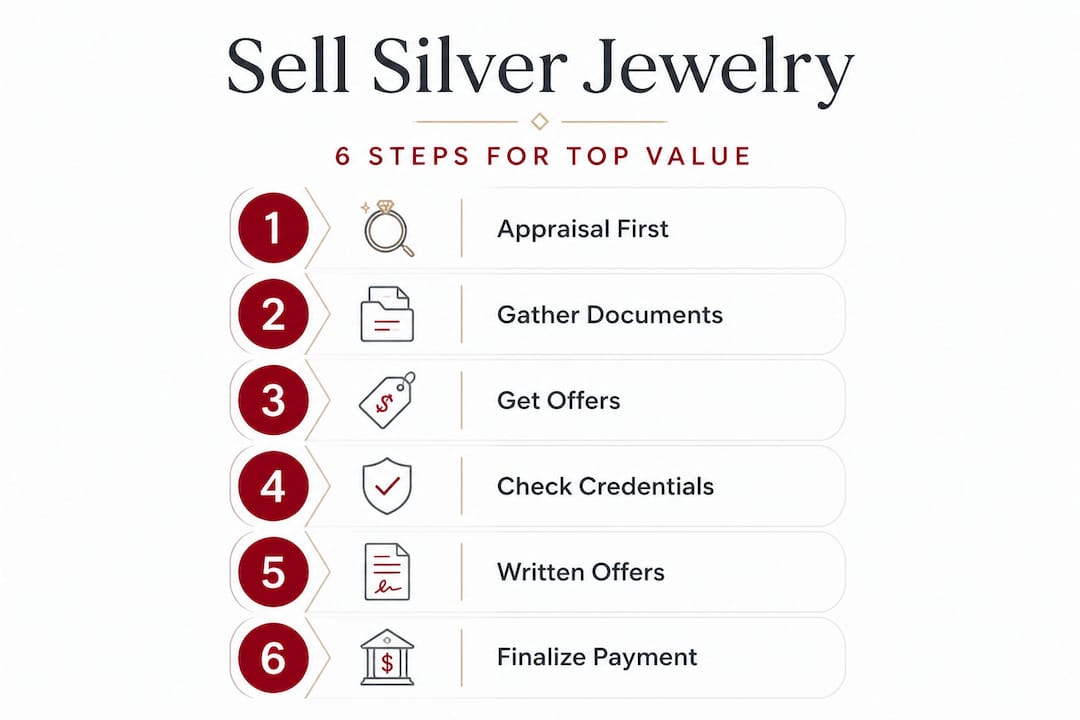
Step 1: Get a professional appraisal first
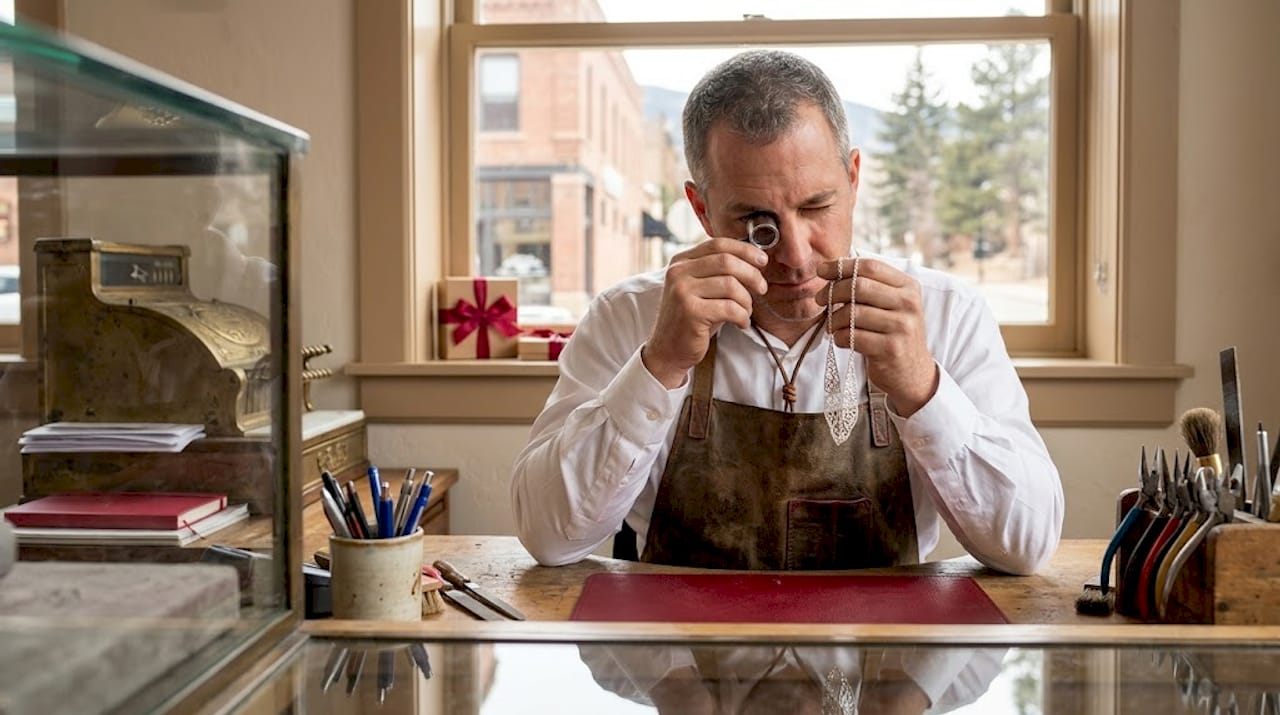
Never walk into a buyer without knowing your piece’s independent value. A certified appraiser can assess silver content, gemstones, craftsmanship, and historical significance. These luxury jewelry appraisal tips will help you understand what appraisers look for and how to read the resulting documentation. An appraisal report gives you a credible reference point when comparing offers.
Step 2: Collect multiple offers
Target at least three different buyers. The spread between offers can genuinely surprise you. A pawn shop, an online buyer, and a specialized precious metals dealer may quote dramatically different prices for the same piece. Here’s a comparison of your main selling options:
| Selling option | Speed | Price potential | Expertise level | Best for |
|---|---|---|---|---|
| Local jeweler or dealer | 1 to 3 days | High | High | Estate, designer, antique |
| Pawn shop | Same day | Low to moderate | Low to moderate | Scrap or urgent sales |
| Online buyer (mail-in) | 5 to 14 days | Moderate | Varies | Convenience-focused sellers |
| Auction house | Weeks to months | Very high (potential) | High | Rare or collectible pieces |
| Precious metals dealer | 1 to 3 days | Moderate to high | High | Bullion-adjacent or scrap silver |
Step 3: Verify buyer credentials
Check that any buyer holds current dealer credentials or business licenses. Look for reviews on Google, the Better Business Bureau, and local Colorado-focused forums. Ask directly how long they’ve been in business and whether they can provide references. A reputable buyer will not hesitate.
Step 4: Get offers in writing
Verbal quotes are worthless. Any serious buyer should provide a written offer specifying how they calculated their number. If they can’t explain the breakdown, walk away.
Pro Tip: Ask every buyer for a line-item breakdown showing the silver content value, any gemstone value, and any designer or collectible premium. If a buyer bundles everything into a single number, push back. This breakdown reveals whether they’re actually factoring in the full worth of your piece or simply paying melt value for everything.
Step 5: Understand how to boost your payout
Several factors can legitimately increase the offer you receive. Documented provenance (proof of origin or designer history) is one of the strongest. Clean, legible maker’s marks are another. If your piece can be resold as is rather than melted, a buyer who resells finished jewelry will pay more than one who only recycles metal. Pieces with intact gemstones, particularly diamonds or colored stones, may benefit from a buyer who understands both the metal and the stone markets. This is one area where exploring custom jewelry benefits can reframe how you think about the long-term value embedded in a well-made piece.
Step 6: Finalize payment terms before signing anything
Cash, check, and bank transfer are all standard payment methods. Confirm the payment method, timing, and whether the buyer intends to issue any tax forms before you sign over your piece.
Understanding taxes and paperwork when selling silver
After you’ve selected how and where to sell, you need to understand the possible tax and paperwork hurdles so nothing derails the process at the last moment.
What paperwork buyers will ask for
Almost every legitimate silver buyer in Colorado will ask you to present a valid government-issued photo ID. Many will ask you to sign a bill of sale or a receipt that describes the item and confirms the transaction. Some will require a written statement that you are the legal owner of the piece. These requests are standard, protect both parties, and satisfy anti-theft regulations that apply to secondhand dealers in Colorado.
When IRS Form 1099-B applies
Form 1099-B is triggered by dealers at specific quantity and value thresholds. For silver specifically, larger transactions involving significant quantities of silver bullion coins are more commonly subject to dealer reporting. Jewelry transactions are handled differently than bullion, but you should not assume your sale is automatically off the IRS’s radar.
“Jewelry made of precious-metal bullion may be treated differently for tax purposes than bullion itself. Bullion may be exempt; jewelry or art may be taxable. Clarify tax handling with the dealer so you understand the total amount you’ll receive.” — Colorado Department of Revenue
Three tax facts every Colorado silver seller should know
- Colorado generally exempts precious metal bullion from state sales tax, but silver jewelry may not qualify for the same exemption because it is classified differently.
- Federal capital gains tax can apply when you sell silver for more than you paid for it. The gain is the difference between your sale price and your original cost basis, which is why keeping purchase receipts matters.
- If you received the jewelry as a gift or inheritance, your cost basis for tax purposes may differ from what the original buyer paid. A tax professional familiar with ethical buying practices and precious metal transactions can help you determine the correct figure.
Always ask your buyer upfront whether they will issue any tax documentation and under what circumstances. Getting this clarified before the sale closes removes ambiguity and lets you plan accordingly.
Common mistakes Colorado sellers make (and how to avoid them)
Once you have the paperwork sorted, be aware of these common errors and best practices to make your transaction smooth.
The most frequent mistakes sellers make:
- Accepting the first offer. The first offer is almost never the best one. The buyers who benefit most from impulse sellers rely on exactly this behavior. Commit to getting at least three quotes before deciding.
- Choosing speed over value. Pawn shops offer speed. Specialized dealers and appraisers offer accuracy. Unless you genuinely need cash the same day, slowing down almost always adds money to your payout.
- Ignoring the distinction between jewelry and bullion for tax purposes. Many sellers assume that because something is silver, the rules are the same as for silver coins or bars. They are not.
- Skipping documentation. Sellers who can’t prove ownership or provenance often receive lower offers because buyers factor in risk. A simple folder with photos, receipts, and any appraisal paperwork changes how buyers perceive and treat you. Reading through a sustainable jewelry guide can also help you understand how provenance and ethical sourcing documentation affects market perception and resale value.
- Cleaning or altering pieces before appraisal. This is particularly damaging for antique or vintage silver. Professional appraisers and collectors want to see the piece in its authentic condition. Cleaning can remove patina, erase marks, or reduce the appeal that drives a premium offer.
Pro Tip: Never polish, clean, or repair a vintage or antique silver piece before an expert evaluates it. What looks like tarnish to you may be desirable aged patina to a collector willing to pay significantly above melt value.
- Not verifying buyer legitimacy. Dealer reporting obligations exist precisely because unscrupulous buyers operate in this market. Ask for the buyer’s business license, check their reviews, and confirm they carry appropriate insurance.
Our experience: The overlooked factors that make or break a silver sale
Most guides tell you to check the spot price and get multiple offers. That advice is correct, but it misses what actually separates sellers who maximize value from those who settle. After working with Colorado sellers across a range of circumstances, we’ve seen patterns that standard checklists don’t capture.
Local relationships matter more than any price-comparison website. Colorado’s precious metals market is smaller and more relationship-driven than sellers often expect. A buyer who knows your piece, knows you, and wants to build a long-term relationship will often go beyond their initial offer. Buyers who see you as a one-time transaction have no incentive to stretch.
Flexibility in sale terms can change the outcome more than price negotiation alone. We’ve seen sellers get substantially better results by offering a clean transaction with complete documentation than by simply pushing on the price. Buyers price in their risk. Remove the risk, and the math shifts in your favor.
Sustainable and custom jewelry carries genuine premium potential today. Pieces with strong provenance, ethical origin stories, or exceptional craftsmanship are increasingly in demand among Colorado’s buyer community. If your silver piece has a compelling story or design history, find a buyer who understands that market. The luxury and sustainability checklist illustrates how today’s buyers think about value beyond the metal itself.
The sellers who consistently walk away with the best outcomes are not necessarily the most aggressive negotiators. They are the ones who asked specific questions: How did you calculate this offer? What would make this piece worth more to you? Would a trade-in against a new piece change your evaluation? Those questions signal knowledge. And buyers pay more attention to sellers who demonstrate they understand the market.
Ready to sell? Why trust your silver jewelry with Colorado’s experts
If you’re ready to put this advice into action, start with a trusted expert appraisal.
Eternal Carat provides transparent, competitive evaluations for silver jewelry of every type, from everyday sterling pieces to rare estate finds. Our Parker, Colorado team understands both the current market and the Colorado-specific tax landscape, so you get an accurate picture of what your piece is worth before you make any decisions.
Whether you want immediate liquidity or prefer to apply the value of your silver toward a custom piece or a lab-grown diamond upgrade, we give you real options. Our appointment-based process ensures privacy, no pressure, and complete clarity on how every offer is calculated. Get a professional silver jewelry evaluation by reaching out to schedule your private consultation with our Colorado team today.
Frequently asked questions
Do I have to report the sale of silver jewelry to the IRS?
Not every sale triggers a reporting requirement, but dealers may file Form 1099-B once a transaction meets certain quantity or value thresholds. Always confirm reporting obligations with your buyer before the sale closes.
How can I tell if my silver jewelry is worth more than melt value?
Designer names, antique age, original packaging, maker’s marks, and intact gemstones are all signals that a piece may command a premium above its raw silver content. Getting two or three independent appraisals will quickly reveal whether you have a piece with collector appeal or primarily a melt-value transaction.
What paperwork should I expect when selling silver jewelry in Colorado?
You will typically need to provide a valid photo ID, sign a bill of sale confirming you are the legal owner, and possibly complete IRS tax forms. Capital gains obligations can apply even when you are personally below a reporting threshold, so ask your buyer for clarity upfront.
What’s the main difference between selling bullion and jewelry?
Colorado generally exempts precious metal bullion from state sales tax, but silver jewelry may be taxable under a different classification because it is treated as an art or finished goods item rather than a raw investment metal. This distinction affects your net proceeds, so confirm the treatment with your buyer before finalizing any deal.
Recommended
- Gold explained: Denver’s guide to luxury jewelry & appraisals – Eternal Carat
- Fine Jewelry Terms Explained: What Colorado Buyers Need – Eternal Carat
- Cash for Gold: Step-by-Step Guide to Selling Successfully – Eternal Carat
- Ethical Jewelry Buying Workflow for Denver: Sustainable Luxury Guide – Eternal Carat


