

Most people assume sustainable fine jewelry simply means eco-friendly materials, but true sustainability in luxury pieces involves a complex balance of ethical labor, environmental responsibility, and transparent sourcing. With lab-grown diamonds gaining popularity and natural diamonds evolving their practices, understanding what makes jewelry genuinely sustainable has never been more important for discerning buyers. This guide cuts through the confusion to help you make informed choices that align your values with your investment in timeless luxury pieces.
Table of Contents
- Key takeaways
- What is sustainable fine jewelry and why does it matter?
- Comparing lab-grown and natural diamonds: sustainability explained
- Understanding value and rarity in sustainable luxury jewelry
- How to choose sustainable fine jewelry: practical tips for Denver buyers
- Explore sustainable luxury at Eternal Carat
- Frequently asked questions about sustainable fine jewelry
Key Takeaways
| Point | Details |
|---|---|
| Pillars of sustainability | Ethical labor, traceable origins, and minimal environmental harm form the foundation of sustainable luxury jewelry. |
| Lab grown tradeoffs | Lab grown diamonds offer ethical advantages and lower environmental impact, but they lack geological rarity and traditional value appeal. |
| Transparency matters | Prioritize jewelers who disclose sourcing, provide third party certifications, and share supply chain details. |
| Value retention factors | Consider how rarity, demand, and price trends influence long term value for both lab grown and natural diamonds. |
What is sustainable fine jewelry and why does it matter?
Sustainable fine jewelry represents the intersection of responsible environmental practices, social fairness, and uncompromising luxury quality. Unlike mass-market accessories, true sustainable luxury pieces maintain the highest standards of craftsmanship while ensuring every step from sourcing to creation respects both people and planet. Ethical sourcing and environmental impact form the foundation of this approach, requiring jewelers to trace materials back to their origins and verify responsible practices throughout the supply chain.
Three core pillars define authentic sustainability in fine jewelry:
- Ethical labor practices that ensure fair wages and safe working conditions for everyone involved in production
- Traceable materials with verified origins, whether lab-grown gemstones or responsibly mined metals
- Minimal environmental harm through reduced carbon emissions, water conservation, and ecosystem protection
- Complete transparency in sourcing policies, manufacturing processes, and environmental impact disclosures
The challenge for luxury buyers lies in balancing these sustainability factors with traditional markers of value like rarity, brilliance, and long-term investment potential. Natural diamonds carry centuries of cultural significance and proven value retention, yet their extraction involves significant environmental disruption. Lab-grown alternatives offer ethical advantages but lack the geological rarity that has historically defined luxury. Understanding this nuanced landscape empowers you to choose pieces that reflect both your aesthetic preferences and your values.
Pro Tip: Prioritize jewelers who openly disclose sourcing and environmental policies, providing third-party certifications and detailed information about their supply chains. This transparency indicates genuine commitment to sustainability rather than superficial marketing claims.
Comparing lab-grown and natural diamonds: sustainability explained
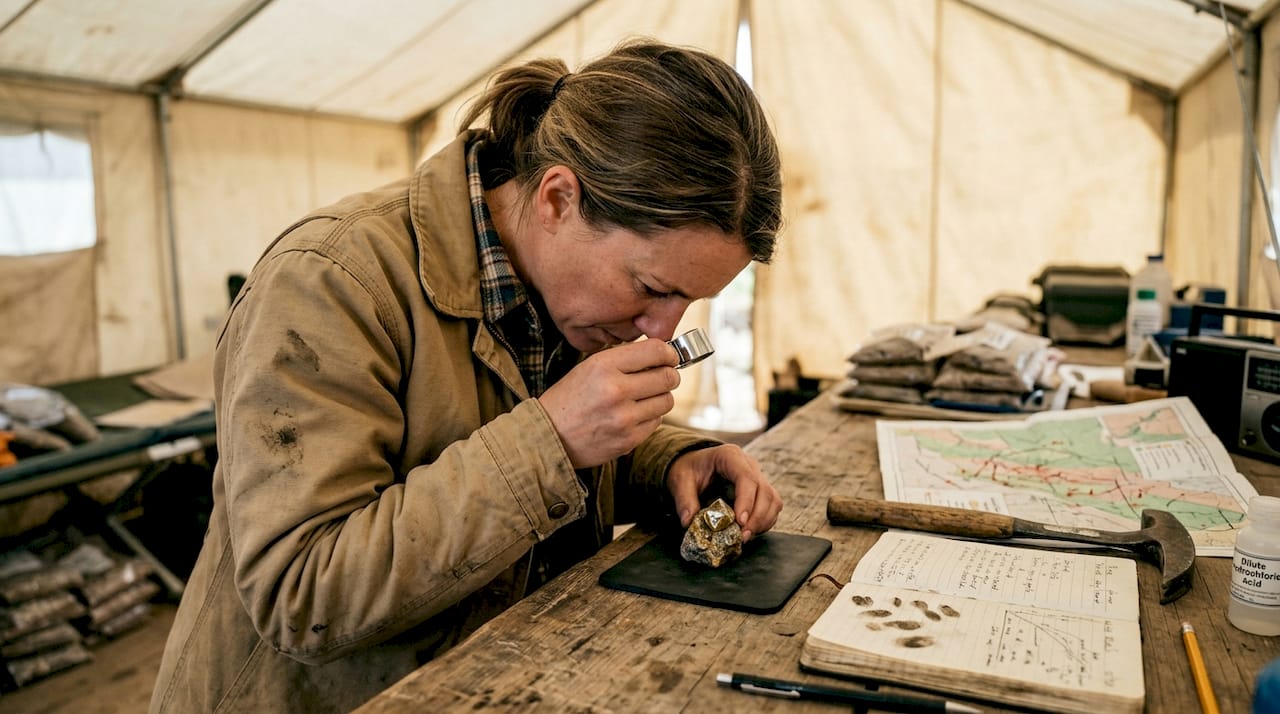
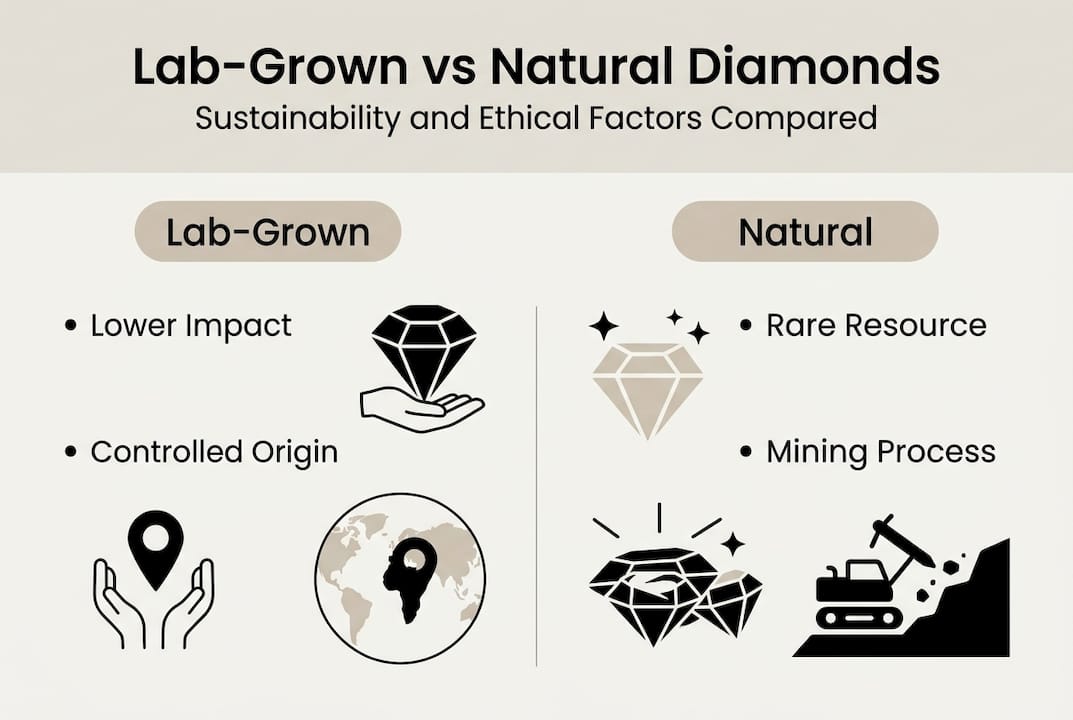
The sustainability debate between lab-grown and natural diamonds involves multiple factors beyond simple environmental metrics. Lab-grown diamonds are considered ethical with significantly lower environmental impact compared to mining, yet natural diamonds support thousands of jobs and contribute billions to developing economies. Each option presents distinct advantages and tradeoffs that luxury buyers must weigh according to their personal priorities.
Lab-grown diamonds emerge from controlled laboratory environments using either High Pressure High Temperature or Chemical Vapor Deposition methods. These production processes require substantial energy but avoid the land disruption, water consumption, and ecosystem damage associated with mining operations. The carbon footprint per carat remains considerably lower, particularly when renewable energy powers the laboratories. However, lab-grown diamonds flood the market with supply that exceeds demand, creating downward price pressure that affects long-term value retention.
Natural diamonds form over billions of years deep within the earth, making them genuinely rare geological phenomena. Mining operations provide employment and economic development in regions with limited alternative industries, supporting communities that depend on diamond revenue for schools, healthcare, and infrastructure. Modern mining companies have improved environmental practices, implementing rehabilitation programs and reducing water usage, though significant ecological impact remains unavoidable. The established luxury market for natural diamonds ensures stronger resale value and investment potential.
| Factor | Lab-Grown Diamonds | Natural Diamonds |
|---|---|---|
| Environmental Impact | Lower carbon footprint, no mining disruption | Higher ecological cost, land rehabilitation needed |
| Ethical Considerations | No mining labor concerns, energy-intensive production | Supports mining communities, requires careful sourcing |
| Rarity & Value | Abundant supply, declining prices | Geological rarity, stable long-term value |
| Quality & Appearance | Identical to natural, customizable | Natural variations, established prestige |
| Economic Impact | Emerging industry, technology jobs | Established economies, community support |
The ethical luxury landscape continues evolving as both industries respond to consumer demand for sustainability. Lab-grown diamonds appeal to buyers prioritizing environmental footprint and modern ethics, while natural diamonds attract those valuing geological authenticity and proven investment stability. Neither option is universally superior, making personal values the determining factor in sustainable luxury choices.
Pro Tip: Consider what sustainability qualities align most with your values. If minimizing environmental impact matters most, lab-grown diamonds deliver clear advantages. If supporting mining communities and maintaining investment value take priority, responsibly sourced natural diamonds may better serve your goals.
Understanding value and rarity in sustainable luxury jewelry
Rarity has defined luxury for centuries, creating the perception that scarce items possess greater value and prestige. Natural diamonds earned their luxury status partly through geological scarcity, taking billions of years to form under extreme conditions deep within the earth. This inherent rarity translates to stronger resale value and investment potential, with established markets and pricing structures that have remained relatively stable over decades. Luxury consumers purchasing natural diamonds can reasonably expect their pieces to maintain significant value over time.
Lab-grown diamonds lack rarity in the traditional sense, as laboratories can produce unlimited quantities given sufficient time and resources. This abundance creates downward price pressure that benefits initial purchasers but complicates resale scenarios. The lab-grown market remains young and volatile, with prices dropping as production scales and technology improves. While this makes ethical luxury more accessible, it challenges the investment thesis that has historically accompanied fine jewelry purchases.
Evaluating the potential resale value of sustainable jewelry requires examining several key factors:
- Provenance and documentation that verify the piece’s origin, materials, and craftsmanship quality
- Certification from recognized gemological institutes confirming diamond quality and characteristics
- Market demand trends for the specific type of jewelry, considering both current popularity and historical patterns
- Brand reputation and recognition, as pieces from established luxury jewelers maintain value better than unknown sources
- Craftsmanship quality and design timelessness, ensuring the piece remains desirable beyond temporary trends
The tension between sustainability and traditional luxury value creates genuine challenges for conscientious buyers. Lab-grown diamonds offer clear ethical advantages and identical physical properties to natural stones, yet their resale value remains uncertain as the market matures. Natural diamonds provide proven investment stability but require careful sourcing to ensure responsible practices. Your decision should reflect which factors matter most for your specific situation, whether that means prioritizing environmental ethics, long-term value, or a balanced approach.
“While lab-grown diamonds offer ethical benefits and lower initial costs, their abundant supply and declining prices create uncertainty around long-term value retention compared to the established luxury market for natural diamonds.”
For many luxury buyers, the solution involves viewing sustainable jewelry through a different lens than pure investment. If a piece brings lasting joy, reflects your values, and maintains quality craftsmanship, its personal value may outweigh resale considerations. Investing in lab diamonds makes sense when you prioritize the immediate benefits of ethical sourcing and environmental responsibility over speculative future returns.
How to choose sustainable fine jewelry: practical tips for Denver buyers
Navigating the sustainable luxury jewelry market requires research, questions, and clear priorities aligned with your values. Denver’s affluent consumers have access to exceptional jewelers specializing in ethical sourcing and lab-grown diamonds, making informed choices more achievable than ever. Purchasing sustainable luxury starts with understanding what questions to ask and which factors deserve your attention.
Begin by researching jewelers’ transparency and certification standards. Reputable sustainable jewelers readily provide detailed information about their sourcing practices, supply chain verification, and environmental policies. Look for third-party certifications from recognized organizations that audit sustainability claims rather than relying solely on marketing language. Ask specifically about where materials originate, how labor practices are verified, and what environmental measures are implemented throughout production.
Key considerations for Denver buyers selecting sustainable fine jewelry:
- Verify lab-grown diamond certifications from established gemological institutes confirming quality and origin
- Request detailed information about metal sourcing, including whether gold and platinum come from recycled or responsibly mined sources
- Evaluate the jeweler’s transparency regarding environmental impact, looking for specific data rather than vague sustainability claims
- Consider customization options that allow you to select specific sustainable materials and design elements reflecting your values
- Assess craftsmanship quality and design timelessness to ensure your piece remains beautiful and relevant for decades
- Compare pricing across multiple jewelers to understand market rates and identify unusually high or suspiciously low prices
Lab-grown diamonds present exceptional opportunities for Denver buyers seeking sustainable jewelry with lower environmental impact. These stones offer identical brilliance, hardness, and beauty to natural diamonds while avoiding mining’s ecological disruption. The benefits of lab-grown gemstones extend beyond environmental considerations to include greater affordability, allowing you to select larger or higher-quality stones within your budget. This creates opportunities for truly spectacular pieces that would cost significantly more with natural diamonds.
Custom engagement rings deserve special attention in sustainable luxury discussions. Working directly with skilled designers allows you to control every aspect of your ring’s sustainability, from selecting lab-grown center stones to choosing recycled metals for the setting. Custom creation eliminates the compromise often required with pre-made pieces, ensuring your ring perfectly reflects both your aesthetic vision and your ethical values. The personal connection created through collaborative design adds meaningful depth to pieces you’ll treasure forever.
Pro Tip: Custom engagement rings allow personal expression plus sustainable materials for meaningful luxury. By participating directly in the design process, you ensure every element aligns with your values while creating a truly unique piece that tells your specific story.
Explore sustainable luxury at Eternal Carat
Your journey toward ethical luxury deserves a partner who shares your commitment to sustainability without compromising on quality or beauty. Eternal Carat specializes in lab-grown diamond jewelry and custom rings that blend environmental responsibility with exceptional craftsmanship, offering Denver’s discerning buyers a curated collection of stunning pieces backed by complete transparency.
Our extensive selection of lab-grown diamond jewelry includes engagement rings, earrings, pendants, and bracelets designed to capture attention while honoring your values. Each piece undergoes rigorous quality verification, ensuring the brilliance and durability you expect from fine jewelry. Our lab-grown diamond floral leaf earrings exemplify the elegant designs available, featuring marquise-cut stones set in 14k yellow gold for timeless sophistication.
Custom engagement ring design represents our specialty, allowing you to collaborate directly with experienced jewelers who understand both technical excellence and sustainable sourcing. Whether you envision a classic solitaire or an intricate vintage-inspired setting, we guide you through material selection, design refinement, and creation processes that result in rings as unique as your relationship. Visit our Parker location by appointment for personalized consultations in a private, secure environment where your questions receive expert answers.
Frequently asked questions about sustainable fine jewelry
What makes jewelry truly sustainable?
Truly sustainable jewelry combines ethical labor practices, environmentally responsible sourcing, and transparent supply chains verified by third-party certifications. It requires jewelers to trace materials from origin through production, ensuring fair wages, safe conditions, and minimal ecological harm. Ethical sourcing means verifying every step rather than relying on marketing claims.
Are lab-grown diamonds less valuable than natural ones?
Lab-grown diamonds currently have lower resale value due to abundant supply and declining prices as production scales. Natural diamonds maintain stronger long-term value through geological rarity and established luxury markets. However, lab-grown stones offer identical physical properties and beauty at lower initial costs, making them valuable for buyers prioritizing ethics over investment potential.
How can I verify my jewelry’s ethical sourcing?
Request detailed documentation including origin certificates, third-party sustainability audits, and supply chain transparency reports from your jeweler. Reputable sellers readily provide this information and welcome questions about their sourcing practices. Look for certifications from recognized organizations rather than relying solely on brand claims about ethical practices.
Can custom engagement rings be sustainable?
Custom engagement rings offer exceptional sustainability opportunities by allowing direct control over material selection and sourcing verification. You can specify lab-grown diamonds, recycled metals, and ethical gemstones while working with jewelers who prioritize transparent practices. Custom creation eliminates compromise, ensuring every element aligns with your values while creating a unique piece reflecting your relationship.
What should Denver buyers consider specifically for sustainable luxury jewelry?
Denver buyers should prioritize jewelers offering appointment-based consultations for personalized guidance on sustainable options. Look for local specialists in lab-grown diamonds who provide transparency about sourcing and environmental practices. Consider how altitude and climate affect jewelry care, and choose pieces with durable settings and quality craftsmanship that withstand Colorado’s active lifestyle while maintaining beauty for generations.
Recommended
- Sustainable jewelry explained: ethical luxury guide 2026 – Eternal Carat
- Custom Jewelry Design Process: Creating Ethical Luxury – Eternal Carat
- Sustainable jewelry shopping guide Denver 2026 – Eternal Carat
- Custom jewelry benefits for ethical luxury in 2026 – Eternal Carat
- 7 Insights on Sustainable Business Cards: What Matters vs. Marketing – BcardsCreation


