

Affluent Colorado couples face a modern luxury dilemma when selecting engagement diamonds. The choice between lab-grown and natural stones isn’t just about sparkle, it’s about aligning personal values with sustainability, investment potential, and cultural significance. This guide examines the criteria that matter most when choosing between these two diamond categories, helping you make a confident decision that reflects both your ethics and your style.
Table of Contents
- Selection Criteria For Choosing Between Lab-Grown And Natural Diamonds
- Price And Resale Value Comparison
- Environmental And Ethical Impact Lists
- Quality, Appearance, And Certification
- Emotional And Cultural Considerations
- Summary Comparison Table
- Situational Recommendations For Ethical Luxury Buyers In Colorado
- Explore Ethical Luxury Diamond Options At Eternal Carat
- Frequently Asked Questions
Key takeaways
| Point | Details |
|---|---|
| Price difference | Lab-grown diamonds cost 40-70% less upfront but retain only 10-20% resale value compared to 40-60% for natural stones. |
| Environmental impact | Lab-grown diamonds emit 0.028 kg CO2 per carat versus 125 kg for natural diamonds, with dramatically lower water use. |
| Quality equivalence | Both types share identical chemical properties and certification standards, indistinguishable to the naked eye. |
| Market trends | Lab-grown diamonds captured over 50% of global engagement ring purchases in 2026, driven by younger buyers. |
| Value alignment | Your choice depends on whether you prioritize sustainability and affordability or tradition and investment potential. |
Selection criteria for choosing between lab-grown and natural diamonds
When evaluating diamond options, affluent consumers typically weigh five primary factors. Understanding these criteria helps you navigate the decision with clarity and confidence.
First, assess your budget and investment goals. Pricing and resale value significantly differ between these diamond types, impacting both immediate affordability and long-term financial planning. If you view your diamond as a wearable asset, resale potential matters.
Second, evaluate environmental and ethical impacts. Carbon footprint, water consumption, and labor practices vary dramatically between lab-grown and mined stones. For sustainability-focused buyers, this criterion often takes priority over traditional considerations.
Pro Tip: Review certification from recognized labs like GIA or IGI regardless of diamond type. Certification ensures you’re getting exactly what you pay for, with documented quality standards.
Third, examine quality and certification standards. Both diamond types meet identical grading criteria, so understanding this equivalence prevents misconceptions about inferiority. Fourth, consider the emotional and cultural significance each diamond type carries. Tradition versus innovation weighs differently for each couple. Fifth, note demographic trends shaping market preferences, which reflect evolving values across generations.
Here’s how to prioritize these criteria:
- Define your primary value: sustainability, investment, tradition, or budget
- Research comparative data on your top two criteria
- Consult with experts who understand both diamond types
- Make your decision based on alignment with long-term satisfaction
For deeper analysis, explore our lab grown vs natural diamonds comparison and lab grown diamond quality guide selection. Additional insights are available in our lab grown gemstone comparison guide and this comprehensive diamond buying guide 2026.
Price and resale value comparison
The financial dimension of diamond selection extends beyond initial purchase price. Understanding both upfront costs and long-term value helps you make a choice aligned with your financial goals.
Lab-grown diamonds cost 40-70% less than natural equivalents of identical specifications. A one-carat natural diamond might cost $5,000, while a lab-grown stone of the same quality runs $1,500 to $3,000. This substantial savings allows buyers to upgrade size or quality within the same budget.
However, resale dynamics tell a different story. Natural diamonds typically retain 40-60% of their purchase price when resold. Lab-grown diamonds hold only 10-20% of original value, reflecting their abundance and declining production costs.
| Factor | Lab-Grown Diamonds | Natural Diamonds |
|---|---|---|
| Initial cost | 40-70% lower | Baseline reference |
| Resale value | 10-20% of purchase | 40-60% of purchase |
| Market share 2026 | Over 50% of engagement rings | Under 50% of engagement rings |
| Price trend | Declining annually | Relatively stable |
Pro Tip: If you’re purchasing a diamond primarily for personal enjoyment rather than investment, lab-grown stones deliver identical beauty at a fraction of the cost. Prioritize what you’ll see daily over potential resale scenarios.
Market trends show lab-grown diamonds exceeded 50% of engagement ring purchases globally in 2026. This shift reflects changing consumer priorities, particularly among younger buyers who value sustainability and affordability over geological rarity.
For investment-minded buyers, natural diamonds remain the stronger choice. Their scarcity and established secondary market provide better long-term value retention. Learn more about investment considerations in our guide on why invest in lab diamonds and review detailed diamond price and resale data.
Environmental and ethical impact lists
Sustainability-conscious Colorado buyers prioritize environmental footprints and ethical sourcing when selecting luxury goods. The differences between lab-grown and natural diamonds are stark on these metrics.
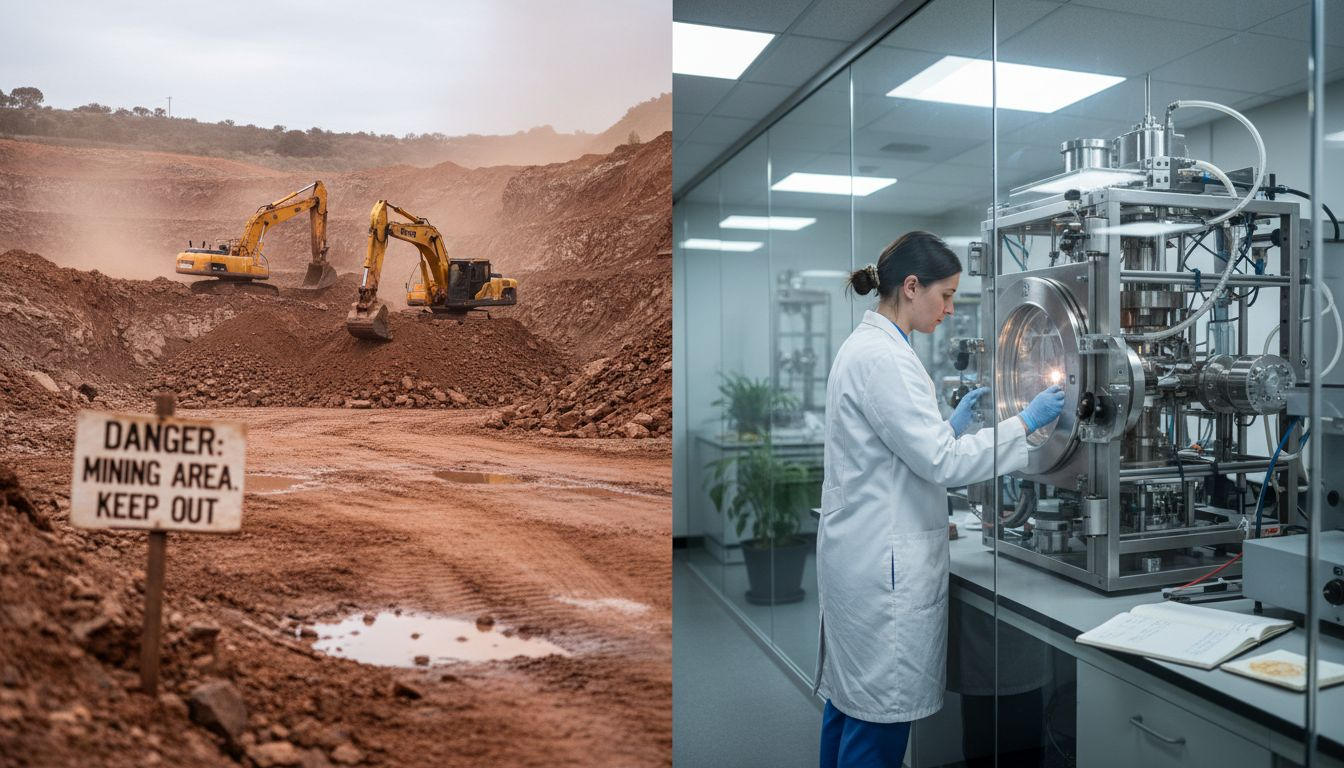
Lab-grown diamonds emit only 0.028 kg CO2 per carat compared to 125 kg for natural diamonds. That’s more than 4,000 times less carbon output. Water usage shows equally dramatic contrasts: lab-grown production uses approximately 9 liters per carat versus 126 gallons for mined stones.
Key environmental advantages of lab-grown diamonds:
- Minimal land disruption with no ecosystem destruction
- Drastically reduced water consumption and pollution
- Lower carbon emissions throughout production cycle
- No habitat loss or biodiversity impact
- Renewable energy integration in many facilities
Ethical considerations favor lab-grown options as well. Natural diamond mining, even with certification programs, carries labor concerns and supply chain opacity. Lab-grown production offers complete traceability from creation to sale.
“The environmental case for lab-grown diamonds is compelling for buyers who prioritize sustainability. The carbon and water savings alone make these stones the clear choice for eco-conscious luxury.”
Natural diamond mining requires moving tons of earth to extract small quantities of gem-quality stones. This process disrupts landscapes, displaces communities, and creates long-term environmental remediation challenges. Lab-grown production happens in controlled facilities with minimal external impact.
For detailed analysis of these factors, review our article on lab created diamonds advantages ethical luxury and this thorough environmental impact analysis.
Quality, appearance, and certification
A common misconception suggests lab-grown diamonds lack the quality or authenticity of natural stones. Science proves otherwise. These diamonds are chemically, physically, and optically identical.
Lab-grown and natural diamonds share identical chemical composition and grading standards. Both consist of crystallized carbon with the same atomic structure. The only differences exist at the molecular level, detectable solely through specialized laboratory equipment.
Key quality equivalencies:
- Same hardness rating of 10 on Mohs scale
- Identical refractive index and light performance
- Equivalent grading by GIA, IGI, and other recognized labs
- No visible difference to trained gemologists without equipment
- Same durability and longevity for daily wear
Certification ensures authenticity and quality for both diamond types. Reputable labs grade cut, color, clarity, and carat weight using identical criteria. A lab-grown diamond graded VS1, F color performs identically to a natural diamond with the same specifications.
The myth that lab-grown diamonds are “fake” or inferior stems from outdated information or industry bias. Modern lab-grown stones meet or exceed quality standards, with fewer inclusions than many natural diamonds due to controlled growth conditions.
Educating yourself about certification dispels concerns about quality differences. Whether lab-grown or natural, always request third-party certification from recognized authorities. Explore terminology and standards in our lab grown gemstone terminology guide and review diamond quality and certification research.
Emotional and cultural considerations
Beyond objective metrics, diamonds carry emotional weight and cultural significance. Personal values and generational perspectives shape preferences between lab-grown and natural stones.
Natural diamonds represent geological rarity formed over billions of years. This ancient origin creates emotional appeal tied to permanence and tradition. Many buyers value the romantic narrative of a stone that predates human civilization.
Lab-grown diamonds appeal through different emotional channels:
- Symbol of innovation and technological progress
- Alignment with modern ethical values
- Conscious choice reflecting environmental responsibility
- Affordability enabling larger or higher-quality stones
- Forward-thinking approach to luxury consumption
Younger buyers show a 65% preference for lab-grown diamonds, reflecting generational shifts toward sustainability over symbolic rarity. Older generations often favor natural stones for their traditional associations and perceived prestige.
Family dynamics influence these choices too. Some families view natural diamonds as essential for heirlooms passed through generations. Others celebrate lab-grown stones as symbols of progressive values and financial wisdom.
Your personal satisfaction depends on choosing the option that resonates with your values. If tradition and geological rarity matter most, natural diamonds deliver that emotional connection. If sustainability and ethical sourcing drive your decisions, lab-grown stones provide pride in conscious consumption.
Explore broader market perspectives in our coverage of industry trends lab grown diamonds 2026 and projections about the future lab grown diamonds 2026.
Summary comparison table
This side-by-side comparison synthesizes key factors to help you evaluate options at a glance.
| Criteria | Lab-Grown Diamonds | Natural Diamonds |
|---|---|---|
| Price | 40-70% less expensive | Baseline premium pricing |
| Resale value | 10-20% retention | 40-60% retention |
| Carbon emissions | 0.028 kg CO2 per carat | 125 kg CO2 per carat |
| Water usage | ~9 liters per carat | ~126 gallons per carat |
| Quality | Identical to natural | Identical to lab-grown |
| Certification | Same standards (GIA, IGI) | Same standards (GIA, IGI) |
| Origin | Controlled lab environment | Geological formation |
| Traceability | Complete supply chain visibility | Variable, certification-dependent |
| Market preference 2026 | Over 50% of engagement rings | Under 50% of engagement rings |
| Cultural perception | Modern, ethical, innovative | Traditional, rare, prestigious |
This table provides a quick reference as you weigh your priorities. The “right” choice depends entirely on which factors matter most to your specific situation and values.
Situational recommendations for ethical luxury buyers in Colorado
Tailored guidance helps you match diamond type to your specific priorities. Colorado’s affluent, values-driven consumers benefit from personalized recommendations.
Choose lab-grown diamonds if you prioritize:
- Maximum sustainability and minimal environmental impact
- Affordability without compromising size or quality
- Complete ethical sourcing transparency
- Modern approach to luxury consumption
- Larger stone within your budget
Select natural diamonds if you value:
- Geological rarity and ancient formation story
- Traditional symbolism and cultural heritage
- Higher resale value retention for investment purposes
- Family heirloom potential across generations
- Established secondary market liquidity
Pro Tip: Many couples choose lab-grown diamonds for engagement rings and natural stones for anniversary bands or heirloom pieces. This hybrid approach balances immediate affordability with long-term value.
Budget considerations often drive initial decisions, but don’t overlook emotional satisfaction. A larger, higher-quality lab-grown diamond may bring more daily joy than a smaller natural stone purchased for investment reasons you never realize.
Certification standards are equivalent, so quality concerns shouldn’t drive your choice. Focus instead on alignment between your purchase and your values. If environmental stewardship matters deeply, lab-grown stones deliver measurable impact. If tradition and rarity resonate more, natural diamonds fulfill that desire.
For comprehensive perspectives on making this choice, explore why choose lab grown jewelry and understand why lab diamonds matter in the modern luxury landscape.
Explore ethical luxury diamond options at Eternal Carat
Now that you understand the criteria distinguishing lab-grown and natural diamonds, it’s time to explore real options. Eternal Carat specializes in ethical luxury jewelry that aligns sustainability with uncompromising beauty.
Our curated collection of lab-grown diamond jewelry combines Colorado craftsmanship with modern values. Each piece reflects our commitment to transparency, quality, and environmental responsibility. From classic solitaires to custom designs, we offer options that honor both your aesthetic preferences and ethical standards.
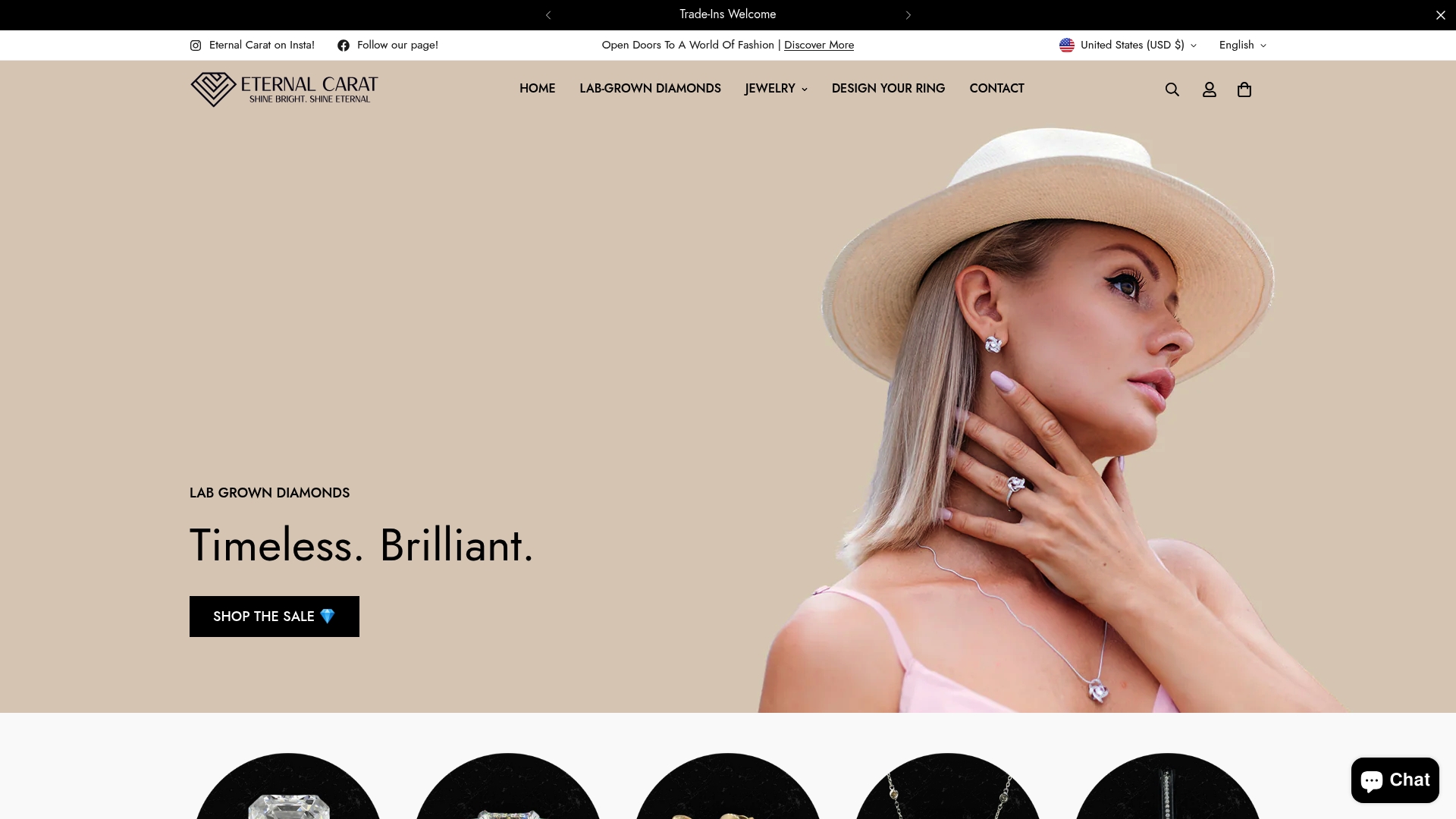
Custom engagement rings allow you to express your unique story while choosing materials aligned with your values. Our design team collaborates with you to create one-of-a-kind pieces featuring lab-grown diamonds that rival any natural stone in brilliance and durability. Browse stunning options like our lab-grown marquise diamond earrings to see the quality we deliver.
Visit our Parker, Colorado showroom by appointment for personalized consultations. We’ll help you navigate choices with expertise, ensuring your purchase reflects both your budget and your values. Shop now to make a confident decision that harmonizes beauty, ethics, and lasting value.
Frequently asked questions
Do lab-grown diamonds last as long as natural diamonds?
Yes, lab-grown diamonds have identical hardness and durability. Both types rate 10 on the Mohs scale and withstand daily wear equally well. Their chemical composition ensures the same longevity, making lab-grown stones suitable for engagement rings and heirloom pieces.
Can jewelers tell the difference between lab-grown and natural diamonds?
Not without specialized equipment. Gemologists require advanced spectroscopy or microscopy to detect growth patterns that distinguish the types. To the naked eye and standard gemological tools, they’re indistinguishable. Learn more in our lab grown diamond quality guide selection.
Are lab-grown diamonds certified the same way as natural diamonds?
Yes, reputable labs like GIA and IGI grade both types using identical criteria for cut, color, clarity, and carat weight. Certification guarantees authenticity and quality regardless of origin. Always request third-party certification for any diamond purchase.
Do lab-grown diamonds hold any resale value?
They retain approximately 10-20% of purchase price, significantly less than natural diamonds at 40-60%. If resale potential matters for your purchase decision, consider this difference carefully. Explore investment angles in our guide on why invest in lab diamonds.
What makes lab-grown diamonds more ethical than natural diamonds?
Lab-grown production eliminates mining-related environmental damage, habitat destruction, and labor concerns. Complete supply chain traceability ensures ethical sourcing from creation to sale. Carbon emissions and water usage are drastically lower, making them the sustainable choice for eco-conscious buyers.
Can I insure lab-grown diamonds like natural diamonds?
Yes, insurance companies cover lab-grown diamonds under standard jewelry policies. Provide certification documentation and appraisal just as you would for natural stones. Coverage costs may be lower due to the reduced replacement value of lab-grown diamonds.
Recommended
- Lab-Created Diamonds: 85% Less Carbon & Ethical Luxury – Eternal Carat
- Why Invest in Lab Diamonds: Ethical Luxury Explained – Eternal Carat
- Lab-Grown Diamonds Explained: Luxury, Value, Ethics – Eternal Carat
- Lab-Grown Diamonds: Transforming Sustainable Luxury – Eternal Carat
- Luxury Trends in 2026: What Affluent Shoppers Want


