

Choosing an engagement ring should reflect your values as much as your style. For many couples in the Denver metro area, luxury means more than a beautiful diamond—it means making a positive impact. Lab-grown diamonds offer a way to embrace modern elegance while supporting sustainability. Discover why these real diamonds are changing the conversation around fine jewelry, blending expert craftsmanship with a transparent, ethical approach.
Table of Contents
- What Is a Lab-Grown Diamond? Core Facts and Misconceptions
- How Lab-Grown Diamonds Are Created: HPHT and CVD Methods
- Lab-Grown vs. Mined Diamonds: Key Differences and Similarities
- Certifications, Quality Factors, and Authenticity
- Environmental Impact, Ethical Benefits, and Cost Comparison
Key Takeaways
| Point | Details |
|---|---|
| Lab-Grown Diamonds Are Real | Lab-grown diamonds possess identical chemical, physical, and optical properties to natural diamonds, ensuring their authenticity. |
| Environmental and Ethical Benefits | Choosing lab-grown diamonds minimizes environmental impact and avoids ethical issues related to traditional diamond mining. |
| Affordable Luxury | Lab-grown diamonds typically cost 30-40% less than mined diamonds, presenting a cost-effective alternative without compromising quality. |
| Importance of Certification | Always request certification from a recognized gemological institute to verify the diamond’s origin and quality attributes. |
What Is a Lab-Grown Diamond? Core Facts and Misconceptions
Lab-grown diamonds represent a revolutionary approach to creating genuine gemstones through advanced technological processes. These diamonds are scientifically identical to natural diamonds, created using sophisticated methods that replicate the extreme conditions found deep within the Earth’s mantle. Precise laboratory techniques enable manufacturers to produce diamonds with identical chemical, physical, and optical properties as their naturally occurring counterparts.
The fundamental difference between lab-grown and natural diamonds lies solely in their point of origin. While natural diamonds form over billions of years through geological processes, lab-grown diamonds can be created in weeks using two primary methods: High-Pressure High-Temperature (HPHT) and Chemical Vapor Deposition (CVD). These advanced techniques allow scientists to produce diamonds that are chemically, physically, and visually indistinguishable from mined stones, making them a compelling alternative for modern consumers.
Common misconceptions about lab-grown diamonds often stem from misunderstandings about their authenticity and quality. Contrary to popular belief, these diamonds are not fake or simulated gemstones, but real diamonds with identical properties. Professional gemological organizations like the International Gemological Institute (IGI) confirm that lab-grown diamonds can be certified and graded using the same rigorous standards applied to natural diamonds, including the renowned Four Cs: cut, color, clarity, and carat weight.
Pro tip: When considering a lab-grown diamond, request a detailed certification from a recognized gemological institute to verify the stone’s precise characteristics and quality standards.
How Lab-Grown Diamonds Are Created: HPHT and CVD Methods
Two primary technological methods dominate the production of lab-grown diamonds: High-Pressure High-Temperature (HPHT) and Chemical Vapor Deposition (CVD). These sophisticated techniques allow scientists to recreate diamond formation conditions with remarkable precision, producing gemstones that are chemically and physically indistinguishable from naturally mined diamonds.
The HPHT method mimics the Earth’s natural diamond-creation environment by subjecting carbon to extreme pressures and temperatures. In this process, graphite is transformed into a diamond crystal around a carefully positioned seed, with temperatures reaching approximately 2,700 degrees Fahrenheit and pressures exceeding 1.5 million pounds per square inch. This intense environment causes carbon atoms to crystallize, gradually building a diamond structure that replicates the geological processes occurring deep underground.
Chemical Vapor Deposition (CVD) represents a more modern approach to diamond synthesis. In this method, a small diamond seed is placed in a sealed chamber and subjected to high temperatures. Carbon-rich gases like methane are introduced and broken down, causing carbon atoms to precipitate and gradually build the diamond layer by layer. The CVD technique offers greater control over the diamond’s growth, allowing manufacturers to produce high-quality stones with exceptional precision and potentially fewer impurities compared to traditional methods.
Pro tip: When selecting a lab-grown diamond, ask about the specific production method used, as different techniques can subtly impact the stone’s final characteristics and quality.
Here’s a side-by-side comparison of the HPHT and CVD lab-grown diamond creation methods:
| Creation Method | Process Overview | Typical Benefits | Potential Limitations |
|---|---|---|---|
| HPHT | Uses extreme pressure and heat with a carbon seed | Can produce large diamonds; mimics natural process | May introduce metal inclusions; less control over impurities |
| CVD | Utilizes carbon-rich gases and a diamond seed in a chamber | Precise control; often higher purity stones | Typically slower growth; smaller diamonds possible |
Lab-Grown vs. Mined Diamonds: Key Differences and Similarities
At first glance, lab-grown and mined diamonds appear virtually identical, sharing the same fundamental characteristics that make diamonds so prized. Optical and physical properties remain consistent across both types, meaning a trained gemologist would struggle to distinguish between them without specialized equipment. The most significant differences emerge not in the diamonds themselves, but in their origin, environmental impact, and market perception.
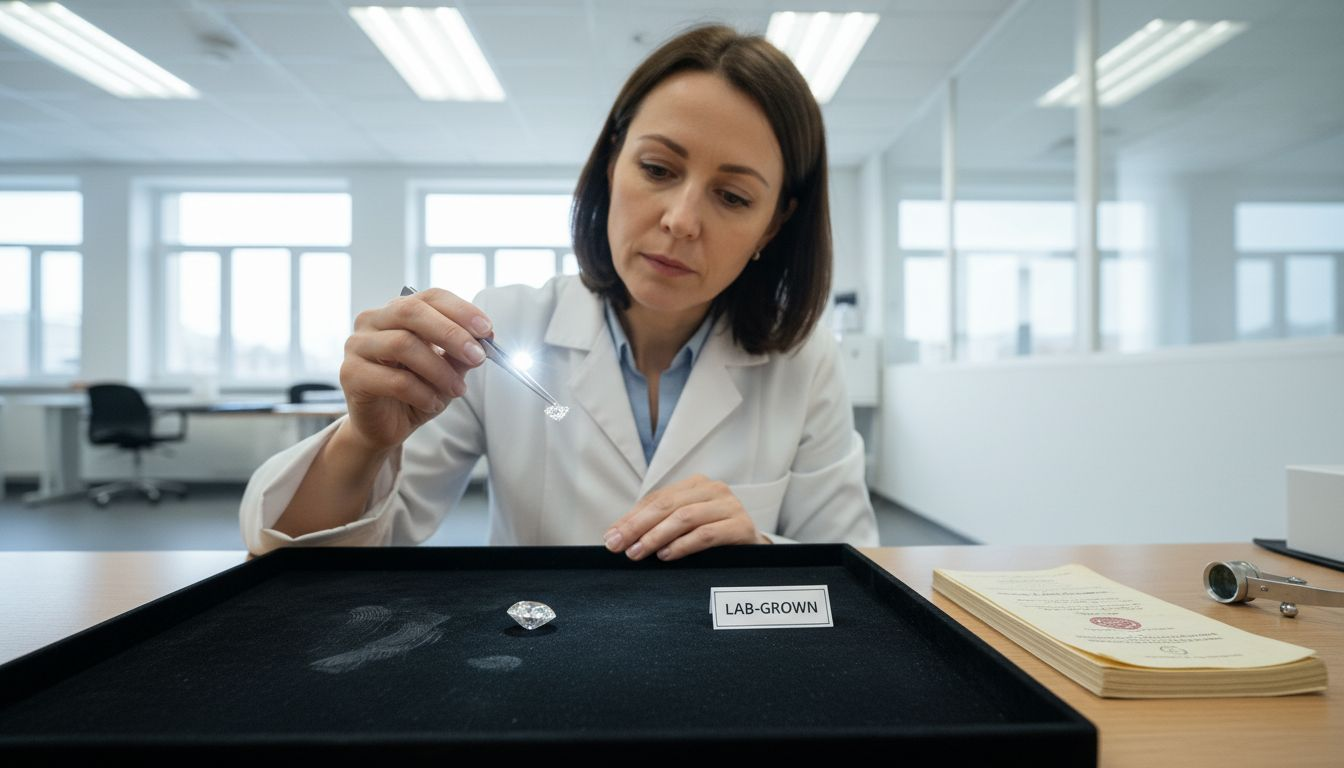
The primary distinction lies in their formation process and timeline. Natural diamonds are geological marvels, formed over billions of years deep within the Earth’s mantle under extreme pressure and temperature. Lab-grown diamonds, by contrast, can be created in a matter of weeks using advanced technological processes that replicate these natural conditions. Both types undergo identical grading processes, evaluated using the same Four Cs criteria: cut, color, clarity, and carat weight. However, natural diamonds often carry a premium due to their rarity and historical geological significance.
Economic and ethical considerations further differentiate these two diamond types. Lab-grown diamonds typically offer a more affordable and environmentally sustainable alternative to mined diamonds. They eliminate the environmental and social concerns associated with traditional diamond mining, such as habitat destruction and potential labor exploitation. While natural diamonds maintain a certain cultural cachet, lab-grown diamonds appeal to environmentally conscious consumers seeking high-quality gemstones without the traditional ethical complications of mining.
To clarify their main distinctions, see how lab-grown and mined diamonds compare across critical dimensions:
| Aspect | Lab-Grown Diamond | Mined Diamond | Impact on Buyers |
|---|---|---|---|
| Origin | Produced in laboratory | Extracted from Earth | Influences cost and sustainability |
| Formation Time | Weeks | Billions of years | Affects rarity and cultural value |
| Environmental Impact | Minimal; less land disruption | High; can cause ecosystem harm | Drives ethical purchasing decisions |
| Price | 30-40% lower | Premium pricing | Increases affordability for consumers |
Pro tip: Request a detailed certification for any diamond purchase, which will provide transparent information about its origin, quality, and specific characteristics regardless of whether it’s lab-grown or naturally mined.
Certifications, Quality Factors, and Authenticity
Lab-grown diamonds undergo the same rigorous certification process as natural diamonds, ensuring consumers receive transparent and verifiable gemstone documentation. Comprehensive grading standards apply universally, with reputable gemological laboratories meticulously examining each stone’s characteristics through the established Four Cs: cut, color, clarity, and carat weight. These detailed assessments provide buyers with confidence in their diamond’s quality, regardless of its origin.
The certification process for lab-grown diamonds involves advanced scientific evaluation and documentation. Specialized gemological institutes use sophisticated equipment to analyze the stone’s internal structure, microscopic characteristics, and precise measurements. Laser inscriptions are often added to the diamond’s girdle, providing a unique identifier that clearly indicates the stone’s laboratory origin. This transparency helps prevent any potential confusion and allows consumers to make fully informed purchasing decisions about the diamond’s provenance and authenticity.
Quality factors for lab-grown diamonds are identical to those of natural diamonds, with grading laboratories applying the same exacting standards. The key difference lies in the origin documentation, which clearly distinguishes lab-grown diamonds from mined stones. Professional certifications provide a comprehensive analysis that includes precise color grading, clarity assessment, cut quality, and exact carat weight. These documents serve as a critical tool for consumers, offering a detailed scientific breakdown of the diamond’s characteristics and ensuring complete transparency in the purchasing process.
Pro tip: Always request and carefully review the complete gemological certification before purchasing a diamond, paying close attention to the specific origin details and comprehensive quality assessment.
Environmental Impact, Ethical Benefits, and Cost Comparison
Lab-grown diamonds represent a transformative solution to the environmental and ethical challenges traditionally associated with diamond mining. Technological innovations dramatically reduce ecological footprints by eliminating the destructive mining practices that harm natural landscapes. Unlike traditional diamond extraction, which involves extensive land excavation, water pollution, and significant energy consumption, laboratory diamond production operates with minimal environmental disruption.
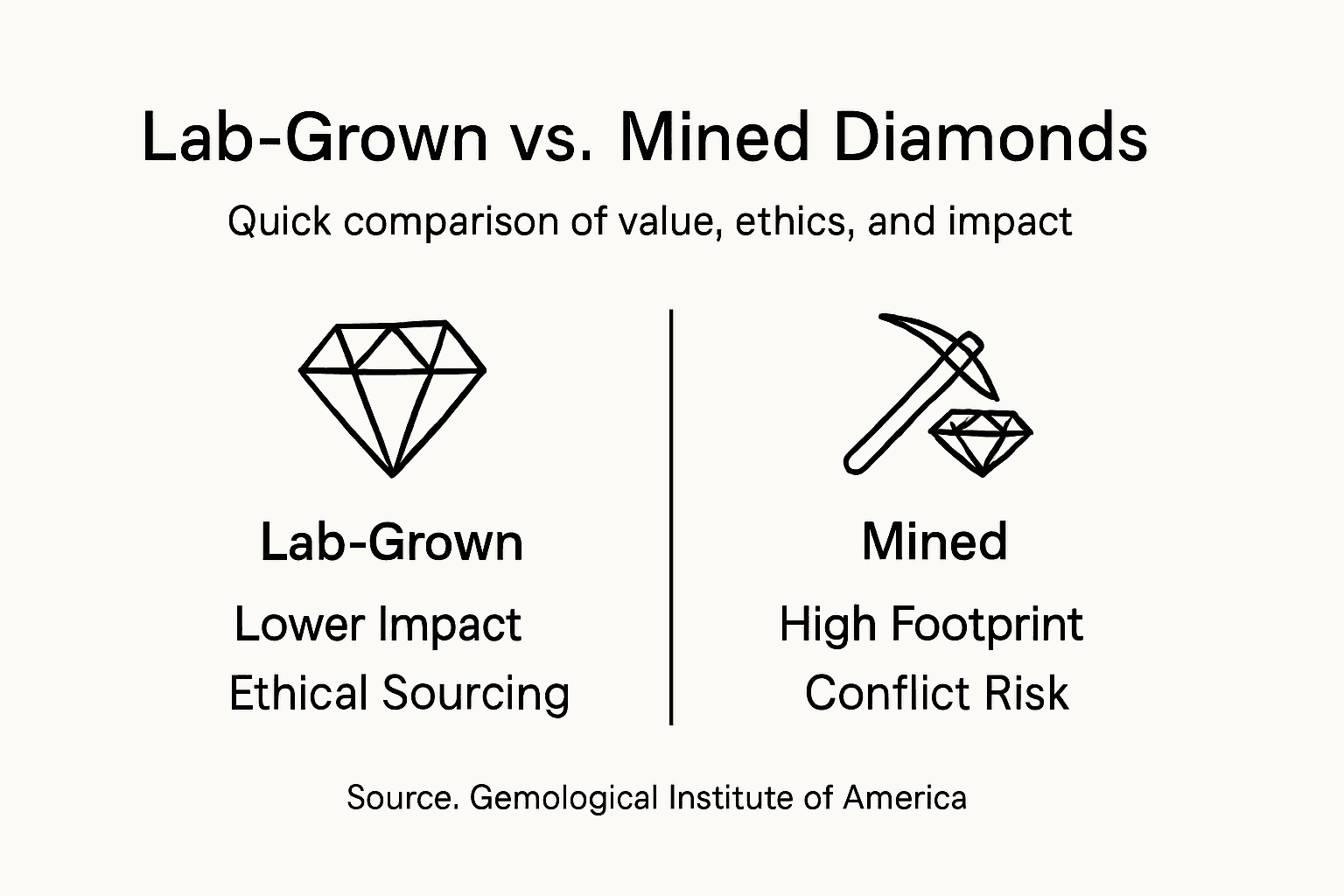
The ethical advantages of lab-grown diamonds extend far beyond environmental considerations. These diamonds completely circumvent the complex human rights issues surrounding traditional diamond mining, such as conflict diamonds and exploitative labor practices. By leveraging controlled technological processes, lab-grown diamonds ensure transparent and responsible production methods that align with modern ethical standards. Consumers can confidently purchase these stones, knowing they are supporting a manufacturing approach that prioritizes worker safety, environmental stewardship, and sustainable luxury.
Cost represents another compelling dimension of lab-grown diamonds. These scientifically produced gemstones typically range 30-40% lower in price compared to natural diamonds of equivalent quality, making luxury more accessible without compromising on aesthetic or structural characteristics. This pricing strategy disrupts traditional diamond market dynamics, offering environmentally conscious consumers a financially attractive alternative that does not sacrifice the fundamental beauty and brilliance associated with diamond jewelry.
Pro tip: When comparing diamond options, calculate the total value by considering not just the upfront cost, but the long-term environmental and ethical benefits of choosing a lab-grown diamond.
Discover Ethical Luxury with Lab-Grown Diamonds at Eternal Carat
The article highlights the growing desire for authentic, high-quality lab-grown diamonds that offer luxury, value, and ethical benefits. If you are searching for sustainable beauty without compromising on brilliance or craftsmanship, Eternal Carat understands the importance of transparency and expert guidance when selecting your perfect stone. With advanced knowledge about HPHT and CVD methods and detailed certifications, you deserve a jeweler who values honesty and precision as much as you do.
We specialize in providing exquisite lab-grown diamonds alongside custom fine jewelry designed just for you. Our secure, appointment-only setting in Parker, Colorado, offers a private space to explore these eco-friendly gemstones with one-on-one consultations. Plus, our competitive precious metals exchange options can help you upgrade or create something unique that fits your ethical and financial goals.
Elevate your jewelry experience with Eternal Carat where technology meets timeless elegance.
Experience sustainable luxury today with our trusted experts.

Start your journey toward responsible sophistication now. Visit Eternal Carat to explore our curated collection and book your personalized consultation. Your perfect lab-grown diamond awaits.
Frequently Asked Questions
What are lab-grown diamonds?
Lab-grown diamonds are real diamonds created using advanced processes that replicate the natural conditions under which diamonds form deep within the Earth’s mantle. They possess identical chemical, physical, and optical properties to mined diamonds.
How are lab-grown diamonds made?
Lab-grown diamonds are primarily created using two methods: High-Pressure High-Temperature (HPHT) and Chemical Vapor Deposition (CVD). Both processes involve recreating the extreme pressure and temperature conditions found in nature to produce diamonds.
What are the ethical benefits of choosing lab-grown diamonds?
Lab-grown diamonds offer significant ethical advantages as they avoid the environmental destruction and human rights issues associated with traditional diamond mining practices. They promote responsible production methods that prioritize sustainability and worker safety.
How do the prices of lab-grown diamonds compare to mined diamonds?
Lab-grown diamonds typically cost 30-40% less than mined diamonds of equivalent quality, making them a more affordable option for consumers without sacrificing beauty or structural characteristics.


