

Over sixty percent of American luxury buyers now prefer jewelry with a clear, ethical background. For couples in Denver seeking an engagement ring, the demand for sustainability and transparency transforms every decision. This article offers clarity on lab-grown diamonds, debunking myths and guiding you to make choices that reflect your values while embracing personalized luxury and environmental responsibility.
Table of Contents
- Defining Lab-Grown Jewelry and Common Myths
- Comparing Lab-Grown vs. Mined Diamonds
- Sustainability and Environmental Impact Factors
- Ethical Sourcing and Conflict-Free Assurance
- Financial Value and Access to Custom Design
- Luxury, Personalization, and Modern Consumer Trends
Key Takeaways
| Point | Details |
|---|---|
| Lab-Grown Diamonds Offer Sustainability | These diamonds have a significantly lower environmental impact compared to mined diamonds, using minimal land and water resources. |
| Identical Quality and Authenticity | Lab-grown diamonds possess the same physical and chemical properties as mined diamonds, challenging misconceptions about their quality. |
| Transparent Production Processes | The production of lab-grown diamonds allows for full traceability, ensuring ethical sourcing and reducing concerns around conflict diamonds. |
| Enhanced Accessibility and Personalization | Lab-grown stones are about 25% of the cost of mined diamonds, enabling consumers to invest in higher quality and customize their jewelry more freely. |
Defining Lab-Grown Jewelry and Common Myths
Lab-grown jewelry represents a revolutionary approach to creating beautiful gemstones through advanced scientific techniques. Precisely engineered gemstones are crafted in controlled laboratory environments, offering a sustainable alternative to traditional mined diamonds. These man-made stones are chemically and structurally identical to natural diamonds, challenging long-standing perceptions about gemstone origins.
Contrary to popular misconceptions, lab-grown diamonds are not synthetic imitations but actual diamonds created through sophisticated technological processes. The primary difference lies in their origin: while natural diamonds form deep underground over millions of years, lab-grown diamonds are produced in weeks using advanced techniques like Chemical Vapor Deposition (CVD) and High Pressure High Temperature (HPHT) methods. These processes replicate the extreme conditions that create natural diamonds, resulting in stones with identical physical, chemical, and optical properties.
Several persistent myths surround lab-grown jewelry that deserve careful examination. Many consumers believe lab-grown diamonds are of lower quality or lack the authenticity of mined stones. However, independent gemological institutes like IGI and GIA certify these diamonds using the same rigorous grading standards applied to natural diamonds. They assess factors like cut, clarity, color, and carat weight with identical precision. In fact, lab-grown diamonds often provide greater transparency about their origin and environmental impact compared to traditional mining practices.
Pro tip: When evaluating lab-grown diamonds, request a comprehensive gemological certification and compare the stone’s specifications just as you would with a natural diamond to ensure quality and authenticity.
Comparing Lab-Grown vs. Mined Diamonds
The comparison between lab-grown and mined diamonds reveals a complex landscape of technological innovation, environmental considerations, and consumer values. While traditional mined diamonds have long been the standard, lab-grown diamonds are rapidly transforming the jewelry industry with their remarkable precision-engineered gemstones. These scientifically created stones offer an identical chemical composition and visual appearance to natural diamonds, challenging conventional perceptions about gemstone authenticity.
Key differences emerge when examining the production processes and environmental impact of these two diamond types. Mined diamonds require extensive excavation, potentially causing significant ecological disruption through land disturbance, water consumption, and carbon emissions. In contrast, lab-grown diamonds are created in controlled environments with substantially lower environmental footprints. They require minimal land intervention and significantly reduce the carbon emissions associated with traditional diamond mining, making them an increasingly attractive option for environmentally conscious consumers.
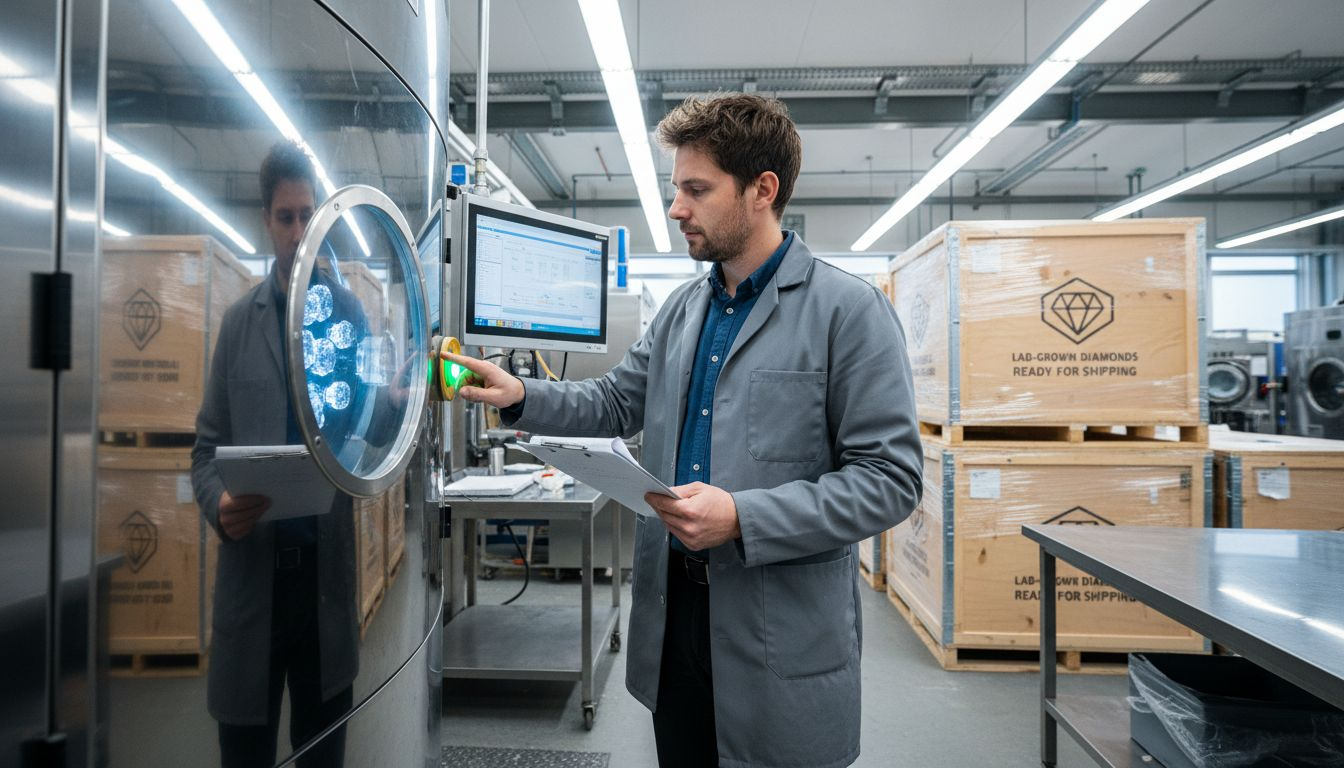
From a technical perspective, lab-grown and mined diamonds are virtually indistinguishable to the naked eye. Gemological experts use advanced spectrometric analysis to differentiate between them, but both types share identical physical, chemical, and optical properties. The primary distinguishing factor lies in their origin: one formed naturally over millions of years deep underground, while the other is precisely crafted in weeks using sophisticated technological processes. This technological advancement allows lab-grown diamonds to offer comparable quality at often more accessible price points, democratizing luxury jewelry ownership.
Here’s a side-by-side look at key aspects distinguishing lab-grown diamonds from mined diamonds:
| Aspect | Lab-Grown Diamonds | Mined Diamonds |
|---|---|---|
| Formation Time | Few weeks in laboratory | Millions of years underground |
| Environmental Impact | Minimal land use, lower emissions | Significant land and water disruption |
| Supply Chain | Fully traceable and transparent | Often complex and difficult to verify |
| Average Cost | About 25% of mined diamond price | Much higher due to extraction costs |
| Ethical Concerns | Produced without human rights risks | Potential history of conflict or exploitation |
| Customization Ease | Highly flexible, design on demand | Limited by natural rough stone availability |
Pro tip: Request a detailed gemological certification when purchasing any diamond, whether lab-grown or mined, to understand its specific characteristics and ensure you’re making an informed investment.
Sustainability and Environmental Impact Factors
Sustainability has become a critical consideration in the diamond industry, with lab-grown diamonds emerging as a compelling alternative to traditional mining practices. Environmental impact comparisons reveal significant differences in resource consumption and ecological disruption between mined and lab-created diamonds. Traditional diamond mining involves extensive land excavation, massive water usage, and substantial carbon emissions from heavy machinery and industrial processes.
Lab-grown diamonds represent a transformative approach to reducing environmental strain. These scientifically produced gemstones require dramatically less land intervention and water consumption compared to traditional mining operations. Cutting-edge manufacturing facilities are increasingly leveraging renewable energy sources, further minimizing the carbon footprint associated with diamond production. Advanced technologies enable precise control over energy inputs, allowing manufacturers to create high-quality diamonds with a fraction of the environmental impact of traditional mining methods.
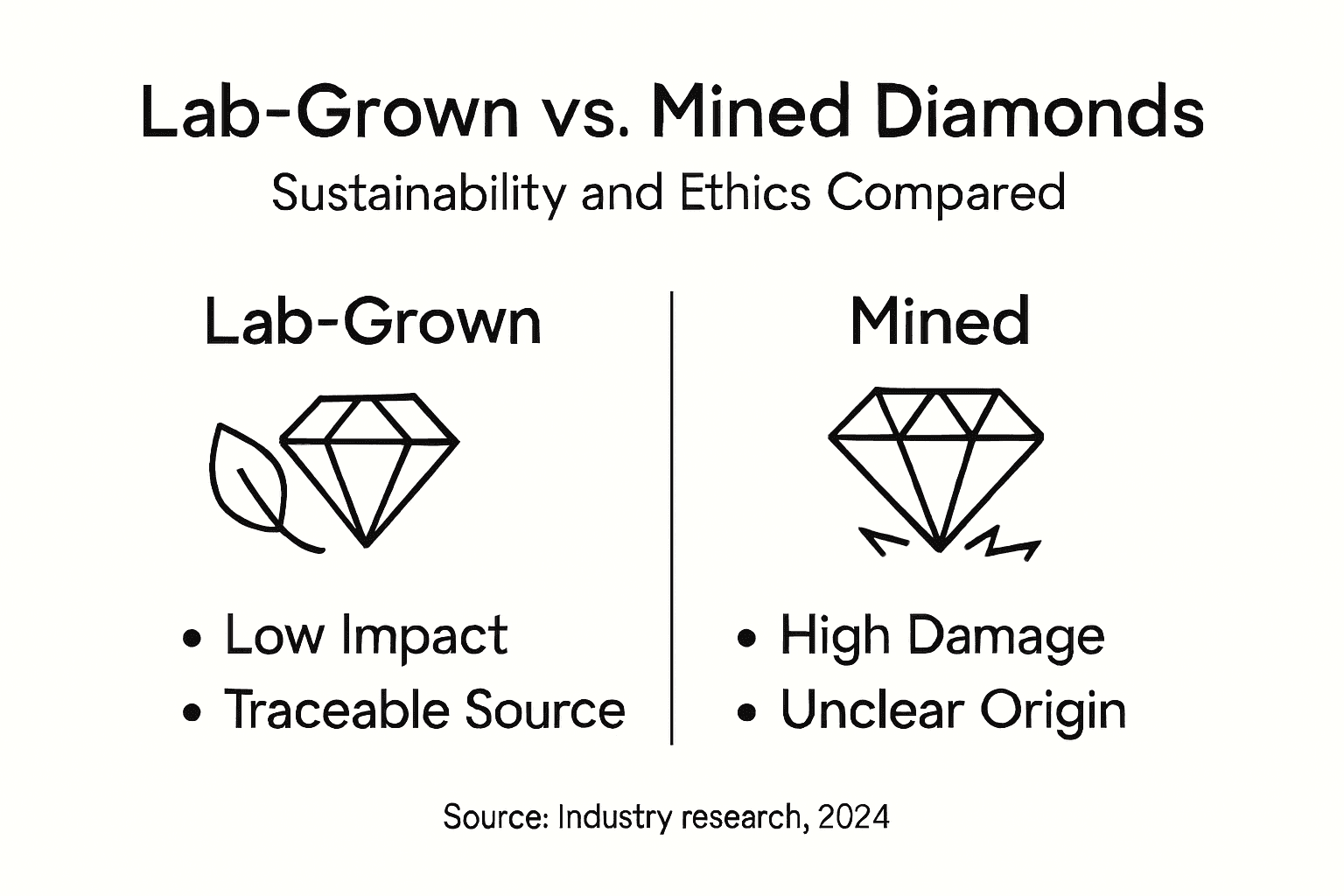
Beyond direct environmental considerations, lab-grown diamonds offer a more transparent and traceable production process. Mining operations often involve complex global supply chains with potential ethical concerns, including potential human rights violations and ecosystem destruction. In contrast, lab-grown diamonds provide complete visibility into their production process, allowing consumers to understand exactly how and where their gemstones are created. This transparency extends to energy sourcing, manufacturing practices, and overall environmental accountability, giving environmentally conscious consumers a clear choice for sustainable luxury.
Below is a summary of leading sustainability factors for lab-grown vs. mined diamonds:
| Sustainability Factor | Lab-Grown Diamonds | Mined Diamonds |
|---|---|---|
| Land Disturbance | Very low, mainly factory footprint | Extensive excavation and damage |
| Water Usage | Minimal, reused in process | High, often strains local supplies |
| Carbon Footprint | Lower, can use renewable energy | High due to machinery and transport |
| Supply Chain Transparency | Full chain visibility | Often unclear or inconsistent |
Pro tip: Request detailed sustainability documentation from diamond manufacturers to fully understand the environmental impact of your specific gemstone, including energy sources and production methodologies.
Ethical Sourcing and Conflict-Free Assurance
The diamond industry has long grappled with complex ethical challenges, particularly surrounding conflict diamonds and unethical mining practices. Ethical sourcing strategies have emerged as a critical consideration for conscientious consumers seeking transparency and social responsibility in their jewelry purchases. Lab-grown diamonds represent a revolutionary solution that fundamentally addresses many of the historical ethical concerns associated with traditional diamond procurement.
Traditional diamond mining has been plagued by a history of human rights violations, including exploitative labor practices, dangerous working conditions, and the funding of regional conflicts through diamond trade. In contrast, lab-grown diamonds are produced in controlled, transparent environments where every stage of production can be carefully monitored and validated. These scientifically created gemstones eliminate the risk of supporting conflict zones or unethical labor practices, providing consumers with a verifiable ethical alternative that does not compromise on quality or aesthetic appeal.
The certification and verification process for lab-grown diamonds offers unprecedented levels of accountability. Unlike mined diamonds, which can have complex and often opaque supply chains, lab-grown diamonds provide complete traceability from creation to final product. This transparency allows consumers to make informed decisions aligned with their personal values, ensuring that their jewelry represents not just beauty and luxury, but also a commitment to social and environmental responsibility. The ability to understand exactly how and where a diamond was created represents a significant advancement in ethical consumer choice.
Pro tip: Always request a detailed origin report and ethical certification when purchasing diamonds, examining the full production chain to ensure alignment with your personal ethical standards.
Financial Value and Access to Custom Design
The emergence of lab-grown diamonds has revolutionized the jewelry market by dramatically transforming accessibility and financial considerations for luxury gemstone purchases. Diamond market economics reveal that lab-grown diamonds typically cost approximately one-quarter the price of comparable mined diamonds, opening unprecedented opportunities for consumers to invest in high-quality, sophisticated jewelry previously beyond their financial reach.
This significant price difference enables more personalized and expansive design possibilities. Consumers can now select larger carat weights, higher clarity grades, and more intricate custom designs without the substantial financial constraints imposed by traditional diamond pricing. The reduced cost allows for greater creativity and individual expression, empowering buyers to commission unique pieces that reflect their personal style and aesthetic preferences. Moreover, the lower price point does not compromise quality, as lab-grown diamonds possess identical physical, chemical, and optical characteristics to mined diamonds.
Beyond immediate financial advantages, lab-grown diamonds represent a strategic investment in modern luxury. The technology-driven production process ensures consistent quality and allows for more predictable pricing structures. This transparency benefits consumers by providing clearer expectations and more straightforward purchasing decisions. Custom design services become more accessible, enabling individuals to collaborate directly with jewelers to create truly personalized pieces that capture their unique vision without prohibitive financial barriers.
Pro tip: Explore multiple custom design consultations and request detailed price comparisons between mined and lab-grown diamonds to maximize your jewelry investment and design potential.
Luxury, Personalization, and Modern Consumer Trends
The contemporary jewelry landscape is undergoing a remarkable transformation, driven by consumers who demand more than just aesthetic beauty. Digital personalization trends are revolutionizing how individuals engage with luxury accessories, particularly in the realm of lab-grown diamonds. Modern buyers seek pieces that tell a unique story, reflect personal values, and offer an immersive design experience that goes far beyond traditional purchasing models.
Technology has become a critical enabler of this personalization revolution. Advanced digital tools now allow consumers to participate actively in the design process, using 3D previews and augmented reality platforms to visualize and customize their jewelry in real time. Lab-grown diamonds provide the perfect canvas for this innovative approach, offering both ethical credentials and unprecedented design flexibility. Buyers can now collaborate directly with designers, selecting specific stone characteristics, experimenting with unique settings, and creating truly one-of-a-kind pieces that reflect their individual aesthetic and personal narrative.
This shift represents more than a trend—it’s a fundamental reimagining of luxury consumption. Younger generations, particularly Millennials and Gen Z, are driving demand for experiences that are transparent, meaningful, and aligned with broader social values. Lab-grown diamonds epitomize this ethos, offering a product that is not just beautiful, but also responsible, technologically sophisticated, and deeply personal. By embracing these stones, consumers are making a statement about their commitment to innovation, sustainability, and individual expression.
Pro tip: Leverage digital design tools and consultation services to transform your jewelry shopping from a transaction into a collaborative, personalized creative journey.
Discover Ethical Luxury with Lab-Grown Jewelry from Eternal Carat
Choosing lab-grown jewelry means embracing sustainable beauty and ethical sourcing without sacrificing brilliance or quality. This article highlights the challenges of traditional diamond mining including environmental harm and complex supply chains. If you value transparency, personalized design, and conflict-free assurance, Eternal Carat offers a solution that meets these goals by specializing in exquisite lab-grown diamonds created with precision and care.
Experience the true meaning of ethical luxury with our exclusive custom design services and expert consultations available online and at our secure Parker, Colorado location. Our commitment to sustainability and craftsmanship ensures your jewelry is as thoughtful as it is stunning. Explore our collection and start creating your perfect piece today at Eternal Carat.

Ready to invest in a diamond that reflects your values and style? Visit Eternal Carat to discover how our lab-grown diamonds offer superior quality and environmental responsibility. Connect with our experts for a private consultation and unlock new possibilities in ethical fine jewelry design.
Frequently Asked Questions
What are lab-grown diamonds?
Lab-grown diamonds are man-made gemstones created in controlled laboratory environments using advanced technological processes. They are chemically and structurally identical to natural diamonds but are produced in a matter of weeks instead of millions of years.
How do lab-grown diamonds compare to mined diamonds in terms of quality?
Lab-grown diamonds are graded using the same rigorous standards as mined diamonds, including cut, clarity, color, and carat weight. They are virtually indistinguishable from mined diamonds to the naked eye and often provide greater transparency regarding their origin and environmental impact.
What are the environmental benefits of choosing lab-grown diamonds?
Lab-grown diamonds have a much lower environmental impact compared to mined diamonds. They require significantly less land use, minimal water consumption, and produce lower carbon emissions. Many lab-grown diamond facilities also utilize renewable energy in their production processes.
Are lab-grown diamonds ethically sourced?
Yes, lab-grown diamonds are produced in controlled environments where every stage of production is monitored for ethical standards. They eliminate the risks associated with conflict diamonds and ensure that no human rights violations occur in their creation.


