

Most urban American couples now consider sustainability as a must when shopping for luxury jewelry, with lab-grown diamonds experiencing a global sales surge of over 50 percent in recent years. This shift matters because conscious buying is reshaping the entire fine jewelry experience, merging ethics and elegance. If you want a sparkling engagement ring without the environmental cost, discover how lab-grown diamonds offer both beauty and peace of mind for your special commitment.
Table of Contents
- What Makes A Lab-Grown Diamond
- CVD Versus HPHT: Main Creation Methods
- Lab-Grown Diamonds Versus Natural Diamonds
- Benefits For Eco-Conscious Jewelry Shoppers
- Common Questions And Misconceptions
Key Takeaways
| Point | Details |
|---|---|
| Lab-Grown Diamonds Are Chemically Identical to Natural Diamonds | Both lab-grown and natural diamonds share the same carbon structure and grading standards, making them indistinguishable to the naked eye. |
| CVD and HPHT Are Main Production Methods | Chemical Vapor Deposition (CVD) and High Pressure High Temperature (HPHT) are the two primary techniques used to create lab-grown diamonds, each with distinct processes and characteristics. |
| Lab-Grown Diamonds Offer Environmental Benefits | Lab-grown diamonds typically have a lower carbon footprint and involve minimal land disruption compared to traditional diamond mining, appealing to eco-conscious consumers. |
| Price Advantage Over Natural Diamonds | Lab-grown diamonds are usually 30-50% cheaper than natural diamonds, making luxury more accessible while maintaining quality and ethical sourcing. |
What Makes a Lab-Grown Diamond
Lab-grown diamonds represent a fascinating intersection of science and luxury, offering a technologically precise alternative to naturally mined gemstones. These diamonds are scientifically identical to their earth-mined counterparts, created through sophisticated technological processes that replicate the extreme conditions found deep within the planet. Lab-grown diamonds share the exact chemical composition of natural diamonds, consisting of pure carbon arranged in a crystalline structure.
Two primary methods dominate the production of these remarkable stones: Chemical Vapor Deposition (CVD) and High Pressure High Temperature (HPHT). In the CVD method, carbon-rich gases are heated to extreme temperatures, allowing carbon atoms to gradually deposit and form a diamond crystal. The HPHT technique mimics natural diamond formation by subjecting carbon to immense pressure and temperature, essentially accelerating a process that traditionally takes millions of years into just a few weeks.
The key distinguishing factor of lab-grown diamonds is not their quality, but their origin. These stones undergo identical grading processes as natural diamonds, evaluated on the same criteria of cut, clarity, color, and carat weight. Synthetic diamonds possess identical optical, thermal, and hardness properties as mined diamonds, making them indistinguishable to the naked eye and equally suitable for fine jewelry.
Pro tip: When purchasing a lab-grown diamond, always request a certification from a reputable gemological institute to verify the stone’s precise characteristics and quality standards.
CVD Versus HPHT: Main Creation Methods
The world of lab-grown diamonds is defined by two groundbreaking technological approaches: Chemical Vapor Deposition (CVD) and High Pressure High Temperature (HPHT). These sophisticated methods represent the cutting edge of diamond creation technologies, each with unique processes for transforming carbon into stunning gemstones.
In the Chemical Vapor Deposition method, diamonds grow through a remarkable process involving superheated plasma environments. Hydrocarbon gases are heated to extreme temperatures, allowing carbon atoms to systematically deposit and crystallize layer by layer onto a substrate. This precise technique enables remarkable control over diamond formation, often producing stones with exceptional clarity and potentially larger sizes. The CVD process typically begins with a small diamond seed, which acts as a template for subsequent carbon atom growth.
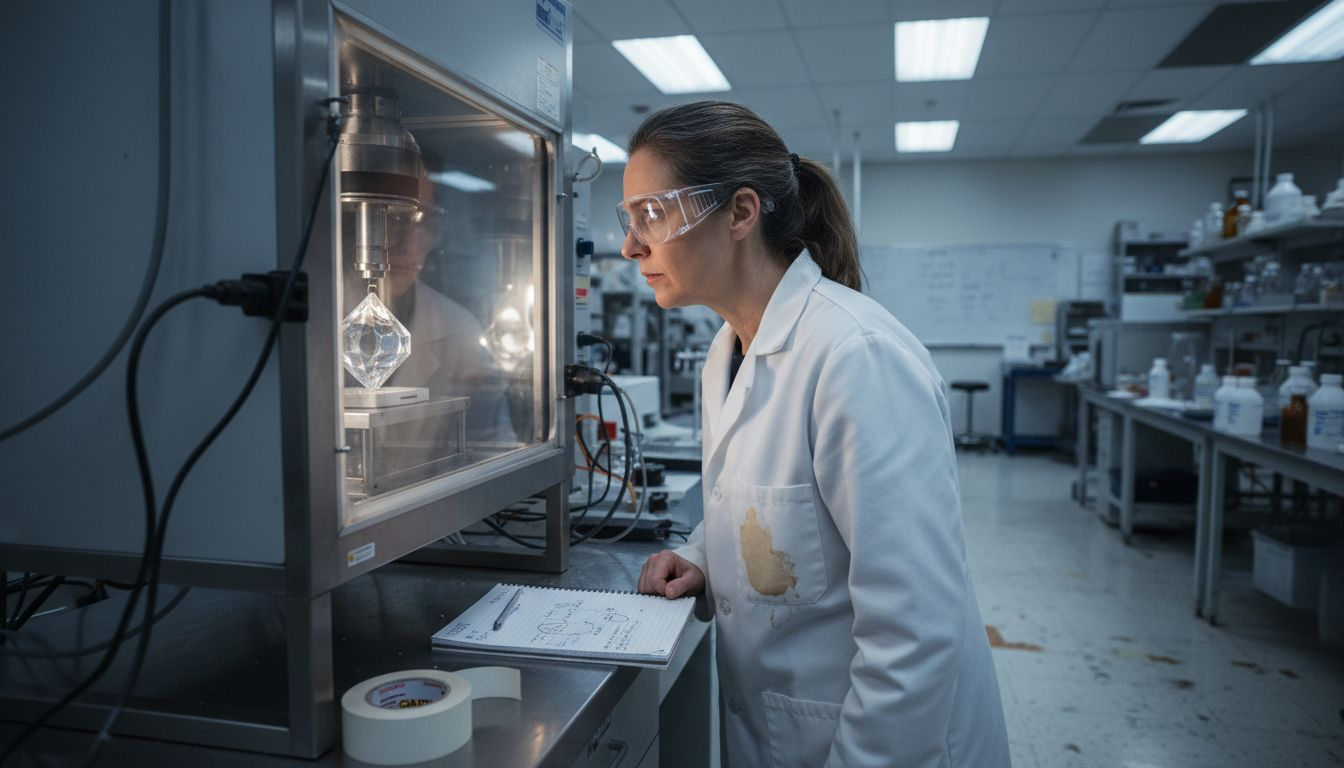
The High Pressure High Temperature technique, conversely, more closely mimics natural diamond formation conditions. This method subjects carbon to immense pressure and temperature, essentially recreating the geological conditions deep within the Earth. By applying extreme force and heat to carbon materials, manufacturers can rapidly accelerate crystal formation that would traditionally require millions of years. Most commercial lab-grown diamonds actually utilize a combination of these methods, often starting with CVD and then refining the stone’s characteristics through subsequent HPHT treatments.
Here’s how the main lab-grown diamond creation methods compare:
| Feature | Chemical Vapor Deposition (CVD) | High Pressure High Temperature (HPHT) |
|---|---|---|
| Growth Environment | Superheated plasma chamber | Intense pressure and heat |
| Control Over Clarity | Allows precise clarity improvements | May introduce metallic inclusions |
| Typical Diamond Size | Often achieves larger stones | Usually produces smaller stones |
| Common Use Case | Advanced jewelry, research applications | Industrial diamonds, jewelry refinement |
Pro tip: When comparing lab-grown diamonds, ask about the specific production method used, as this can provide insights into the stone’s potential characteristics and quality.
Lab-Grown Diamonds Versus Natural Diamonds
Lab-grown and natural diamonds share remarkable similarities in their fundamental characteristics, challenging traditional perceptions about diamond origins. While both stones possess identical chemical compositions and optical properties, their creation processes represent fundamentally different journeys from carbon to brilliant gemstone. Natural diamonds emerge through millions of years of geological transformation deep within the Earth’s crust, whereas lab-grown diamonds are precisely engineered in controlled technological environments within weeks or months.
The core distinctions between these diamond types extend beyond their formation timeline. Natural diamonds carry intrinsic value rooted in geological rarity and historical significance, often featuring unique inclusions that reflect their complex underground formation. Lab-grown diamonds, by contrast, offer a more predictable and controlled creation process, enabling manufacturers to produce stones with exceptional clarity and consistent quality. Each type undergoes rigorous grading using identical international standards, ensuring that lab-grown diamonds meet the same exacting criteria as their naturally mined counterparts.
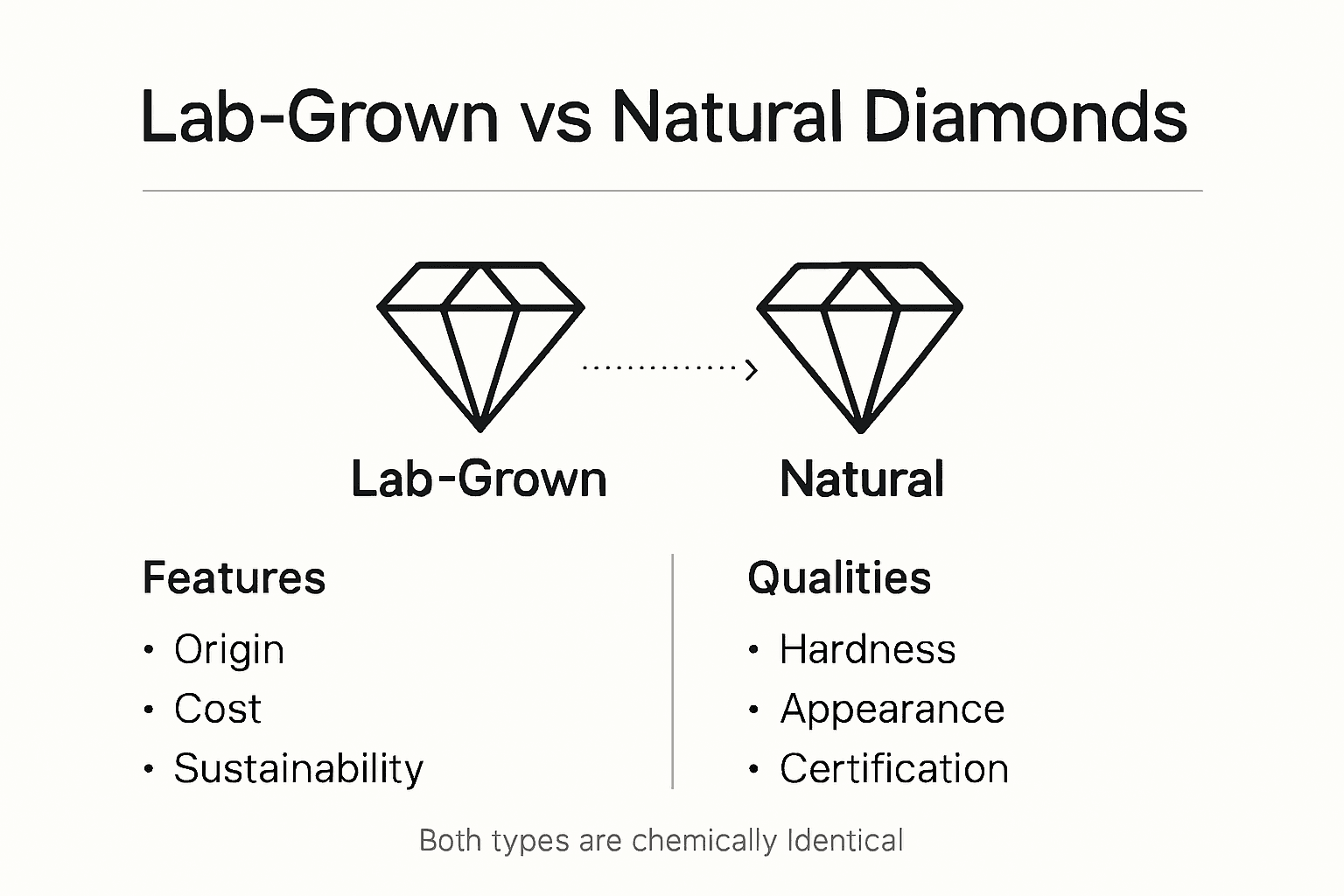
Beyond physical characteristics, the primary differentiators lie in environmental impact, pricing, and ethical considerations. Lab-grown diamonds typically present a more sustainable and affordable option, with significantly reduced carbon footprints and lower environmental disruption compared to traditional mining practices. While natural diamonds maintain strong cultural and traditional appeal, lab-grown diamonds are rapidly gaining popularity among environmentally conscious consumers seeking high-quality gemstones without the ecological and potential human rights concerns associated with traditional diamond extraction.
Pro tip: When purchasing a diamond, request a detailed certification that specifies its origin and precise characteristics, regardless of whether it is lab-grown or natural.
Benefits for Eco-Conscious Jewelry Shoppers
Lab-grown diamonds represent a transformative solution for environmentally conscious consumers seeking sustainable luxury, offering a responsible alternative to traditional diamond mining practices. These technologically engineered gemstones provide a compelling pathway for individuals who want to make ethical purchasing decisions without compromising on quality or aesthetic appeal. By choosing lab-grown diamonds, consumers can directly reduce environmental impact while still enjoying the same brilliance and durability associated with high-end jewelry.
The environmental advantages of lab-grown diamonds are substantial and multifaceted. Traditional diamond mining involves extensive land disruption, significant carbon emissions, and potential ecosystem destruction, whereas lab-grown diamond production dramatically minimizes these ecological footprints. Manufacturing processes for these stones consume substantially less energy, generate fewer greenhouse gas emissions, and eliminate the need for invasive mining operations that can devastate natural habitats. Furthermore, lab-grown diamonds offer unprecedented transparency in their sourcing, addressing critical concerns about unethical labor practices and conflict minerals that have long plagued the traditional diamond industry.
Beyond environmental considerations, lab-grown diamonds provide economic benefits that make luxury more accessible. These stones typically cost 30-50% less than comparable natural diamonds, enabling consumers to invest in higher-quality or larger stones without the extreme financial burden associated with mined diamonds. This pricing structure democratizes fine jewelry, allowing more individuals to purchase ethically produced, high-quality gemstones that align with their values of sustainability and social responsibility.
The table below summarizes environmental and ethical aspects of diamond options:
| Aspect | Lab-Grown Diamonds | Natural Diamonds |
|---|---|---|
| Carbon Footprint | Low to moderate, depends on energy used | Typically very high due to mining |
| Land Disruption | Minimal, factory-based | Significant, large-scale excavations |
| Ethical Sourcing | Transparent, traceable | May involve conflict or labor issues |
| Price Accessibility | 30-50% lower than mined | Often expensive and exclusive |
Pro tip: Request a comprehensive certification documenting the diamond’s origin and environmental impact when making your purchase, ensuring complete transparency about your chosen gemstone.
Common Questions and Misconceptions
Lab-grown diamonds continue to challenge widespread misunderstandings about their authenticity and quality, with many consumers still uncertain about their true nature. Perhaps the most persistent myth is that lab-grown diamonds are somehow artificial or fake, when in fact they are chemically and physically identical to natural diamonds. These stones are genuine gemstones created through advanced technological processes, possessing the same crystalline carbon structure, optical properties, and durability as diamonds formed deep within the Earth.
Resale value represents another significant area of confusion for potential buyers. While natural diamonds have traditionally maintained stronger secondary market values, the landscape for lab-grown diamonds is rapidly evolving. Current market dynamics suggest lower resale prices, but this does not diminish the intrinsic quality or beauty of these stones. Consumers should understand that a diamond’s value extends beyond potential future resale, encompassing its immediate aesthetic appeal, ethical sourcing, and personal significance. Professional gemological certifications from respected institutes provide identical grading processes for both lab-grown and natural diamonds, further validating their legitimate status in the jewelry market.
Environmental impact claims also generate considerable debate and misunderstanding. While lab-grown diamonds offer potential sustainability advantages, the true ecological footprint depends on specific manufacturing practices and energy sources used during production. Some manufacturing facilities utilize renewable energy, dramatically reducing carbon emissions, while others might rely on traditional power grids. Sophisticated consumers are increasingly asking detailed questions about the precise environmental conditions surrounding diamond creation, pushing manufacturers toward greater transparency and more sustainable production methods.
Pro tip: Request a comprehensive gemological certification that details the diamond’s precise characteristics, origin, and production method to make an informed purchasing decision.
Discover Sustainable Luxury with Lab-Grown Diamonds from Eternal Carat
Understanding how lab-grown diamonds are made reveals their true value beyond beauty. These gemstones solve the challenge of finding ethically sourced, eco-friendly jewelry without sacrificing brilliance or quality. If you want fine jewelry crafted through advanced methods like Chemical Vapor Deposition or High Pressure High Temperature techniques, choosing lab-grown diamonds means enjoying stunning gems with a significantly lower environmental impact and responsible origins.

Experience the perfect blend of craftsmanship and sustainability by exploring our exceptional collection at Eternal Carat. Whether you seek a custom engagement ring or elegant earrings, our high-quality lab-grown diamonds meet rigorous standards for cut, clarity, and color. Act now to embrace luxury that aligns with your values and make a meaningful statement with every exquisite piece. Start your journey toward ethical brilliance today by visiting our online storefront and discover the future of fine jewelry.
Frequently Asked Questions
What are lab-grown diamonds made of?
Lab-grown diamonds are made of pure carbon, just like natural diamonds. They have the same crystalline structure and chemical composition, making them scientifically identical to mined diamonds.
What methods are used to create lab-grown diamonds?
The two primary methods to create lab-grown diamonds are Chemical Vapor Deposition (CVD) and High Pressure High Temperature (HPHT). CVD involves heating carbon-rich gases to deposit carbon atoms and form a diamond, while HPHT mimics natural conditions by applying high pressure and temperature to accelerate diamond formation.
How do lab-grown diamonds compare to natural diamonds in terms of value?
Lab-grown diamonds typically cost 30-50% less than natural diamonds, making them more accessible. However, their resale value may be lower as the market for lab-grown stones continues to evolve. The intrinsic beauty and quality of both types remain comparable.
Are lab-grown diamonds ethical and environmentally friendly?
Yes, lab-grown diamonds are generally considered more environmentally friendly than mined diamonds as they require less land disruption and have a smaller carbon footprint. They also provide transparency in sourcing, addressing ethical concerns related to traditional diamond mining.


