

Selecting an engagement ring should feel exciting, not overwhelming by old myths or limited choices. For couples in Denver who value both ethical sourcing and luxury, lab-grown diamonds offer a path to meaningful, custom jewelry without compromise. Expert gemologists confirm these innovative stones are chemically and visually equal to mined diamonds, with each one graded and certified by the same rigorous standards. Discover how thoughtful craftsmanship combined with personalized consultation creates a truly unique symbol of your commitment.
Table of Contents
- Lab-Grown Diamonds Explained and Common Myths
- Key Processes and Grades in Modern Production
- Market Growth Drivers and Global Adoption
- Emerging Technologies and Innovations in 2026
- Pricing, Value, and Mined Diamond Comparisons
- Consumer Preferences and Retail Adaptation
Key Takeaways
| Point | Details |
|---|---|
| Lab-Grown Diamonds Offer Ethical Alternatives | They provide a sustainable and scientifically equivalent option to natural diamonds, appealing to conscious consumers. |
| Technological Innovations Drive Production | Advanced techniques like CVD and HPHT enhance quality and customization of diamonds while reducing environmental impact. |
| Market Demand is Shifting | Millennials and Gen Z consumers prioritize ethical sourcing and transparency, driving significant growth in the lab-grown diamond market. |
| Pricing Dynamics Favor Lab-Grown Options | Lab-grown diamonds are generally 75-80% less expensive than natural diamonds, making them an attractive choice for consumers. |
Lab-Grown Diamonds Explained and Common Myths
Lab-grown diamonds represent a transformative innovation in the jewelry industry, offering an ethical and scientifically precise alternative to traditionally mined gemstones. Cutting-edge manufacturing techniques have enabled these synthetic stones to achieve near-perfect chemical and physical characteristics identical to natural diamonds.
These sophisticated diamonds are created through two primary methods: Chemical Vapor Deposition (CVD) and High Pressure High Temperature (HPHT) processes. Both techniques replicate the extreme conditions that produce natural diamonds, resulting in stones with remarkable qualities:
- Identical molecular structure to mined diamonds
- Indistinguishable optical properties
- Comparable hardness and durability
- Significantly reduced environmental impact
- Lower overall production costs
Contrary to persistent myths, lab-grown diamonds are not inferior substitutes but scientifically engineered gemstones. They undergo rigorous quality assessments and can be certified by the same gemological institutions that evaluate natural diamonds. The primary difference lies in their origin: one formed underground over millions of years, the other precisely manufactured in controlled laboratory environments.
Lab-grown diamonds represent the future of sustainable luxury, combining technological innovation with ethical sourcing.
Many consumers harbor misconceptions about these advanced gemstones. Common myths suggest that lab-grown diamonds are somehow less valuable or visually distinct from natural stones. However, expert gemologists confirm that these diamonds are chemically, physically, and optically equivalent to mined diamonds.
Key Differentiators:
- Origin: Laboratory vs. underground formation
- Environmental Impact: Significantly reduced carbon footprint
- Cost: Generally more affordable
- Ethical Production: No mining-related human rights concerns
Pro tip: Always request a detailed certification when purchasing lab-grown diamonds to understand their specific characteristics and quality metrics.
Here’s a quick comparison of lab-grown and natural diamond attributes:
| Attribute | Lab-Grown Diamonds | Natural Diamonds |
|---|---|---|
| Formation Time | Weeks in laboratory | Millions of years underground |
| Sourcing Impact | Low environmental footprint | High mining impact |
| Pricing Trend | 75-80% lower cost | Premium pricing |
| Certification | Same gemological standards | Same gemological standards |
| Resale Potential | Lower market resale value | Higher resale retention |
| Customization | Highly customizable options | Limited customization |
Key Processes and Grades in Modern Production
The creation of lab-grown diamonds involves sophisticated scientific methods that precisely replicate the natural diamond formation process. Advanced manufacturing technologies have revolutionized gem production, enabling manufacturers to create high-quality stones with remarkable consistency.
Two primary production techniques dominate the lab-grown diamond industry: Chemical Vapor Deposition (CVD) and High Pressure High Temperature (HPHT). These methods differ significantly in their approach but share the goal of creating gem-quality diamonds:
-
CVD Method:
- Uses carbon-rich gas in a low-pressure chamber
- Deposits carbon atoms layer by layer
- Allows for more precise control of diamond characteristics
-
HPHT Method:
- Mimics natural diamond formation conditions
- Applies extreme heat and pressure
- Typically used for smaller stone production
Quality grading for lab-grown diamonds follows identical standards to natural diamonds. Comprehensive certification processes ensure that each stone meets rigorous industry benchmarks across four critical criteria:
- Color: Ranging from D (colorless) to Z (light yellow)
- Clarity: Evaluated from Flawless to Included categories
- Cut: Assessed based on precision and light performance
- Carat: Measured by precise weight standards
Modern lab-grown diamond production represents the intersection of advanced technology and traditional gemological expertise.
Technological advancements have dramatically improved production capabilities, enabling manufacturers to create larger, higher-quality stones with unprecedented precision. The most significant breakthrough has been achieving consistent gem-grade diamonds that are virtually indistinguishable from their naturally formed counterparts.
Key Production Innovations:
- Enhanced plasma technologies
- Precision temperature control
- Advanced carbon deposition techniques
- Sophisticated monitoring systems
Pro tip: Request a detailed grading report from a recognized gemological institute to understand the specific characteristics of your lab-grown diamond.
Explore key diamond grading metrics:
| Grading Criteria | Description | Business Impact |
|---|---|---|
| Color | Range D-Z, affects rarity | Influences price |
| Clarity | Flawless to Included scale | Determines quality |
| Cut | Precision and brilliance | Enhances appearance |
| Carat | Weight of the diamond | Sets overall value |
Market Growth Drivers and Global Adoption
Dramatic market expansion has positioned lab-grown diamonds as a transformative force in the global jewelry industry. The market trajectory reveals unprecedented growth, with projections indicating a leap from $29.46 billion in 2025 to an estimated $91.85 billion by 2034, representing a remarkable 13.42% compound annual growth rate.
Several key demographic and consumer trends are driving this explosive market expansion:
-
Millennial and Gen Z Preferences:
- Prioritize ethical and sustainable purchasing
- Value transparency in product sourcing
- Willing to invest in socially responsible alternatives
-
Economic Advantages:
- Lower production costs
- More affordable pricing compared to natural diamonds
- Higher perceived value for money
Geographical Market Dynamics play a critical role in this growth. Market leaders in the United States have already witnessed over 50% of engagement ring purchases featuring lab-grown diamonds, signaling a dramatic shift in consumer preferences.
Ethical luxury is no longer a niche market – it’s becoming the new standard for conscious consumers.
The Asia-Pacific region emerges as a particularly significant growth center, driven by:
- Advanced manufacturing capabilities
- Growing middle-class consumer base
- Increasing environmental awareness
- Technological innovation infrastructure
Industry experts predict that lab-grown diamonds will continue disrupting traditional jewelry markets by offering a combination of ethical sourcing, technological innovation, and economic accessibility.
Key Market Expansion Factors:
- Technological advancements in production
- Increasing consumer environmental consciousness
- Competitive pricing strategies
- Expanding global distribution networks
Pro tip: Research market trends and technological developments to make informed decisions about lab-grown diamond investments.
Emerging Technologies and Innovations in 2026
Advanced technological breakthroughs are revolutionizing the lab-grown diamond industry, pushing the boundaries of precision, customization, and production efficiency. These innovations represent a quantum leap in gemological engineering, transforming how diamonds are conceptualized, created, and evaluated.
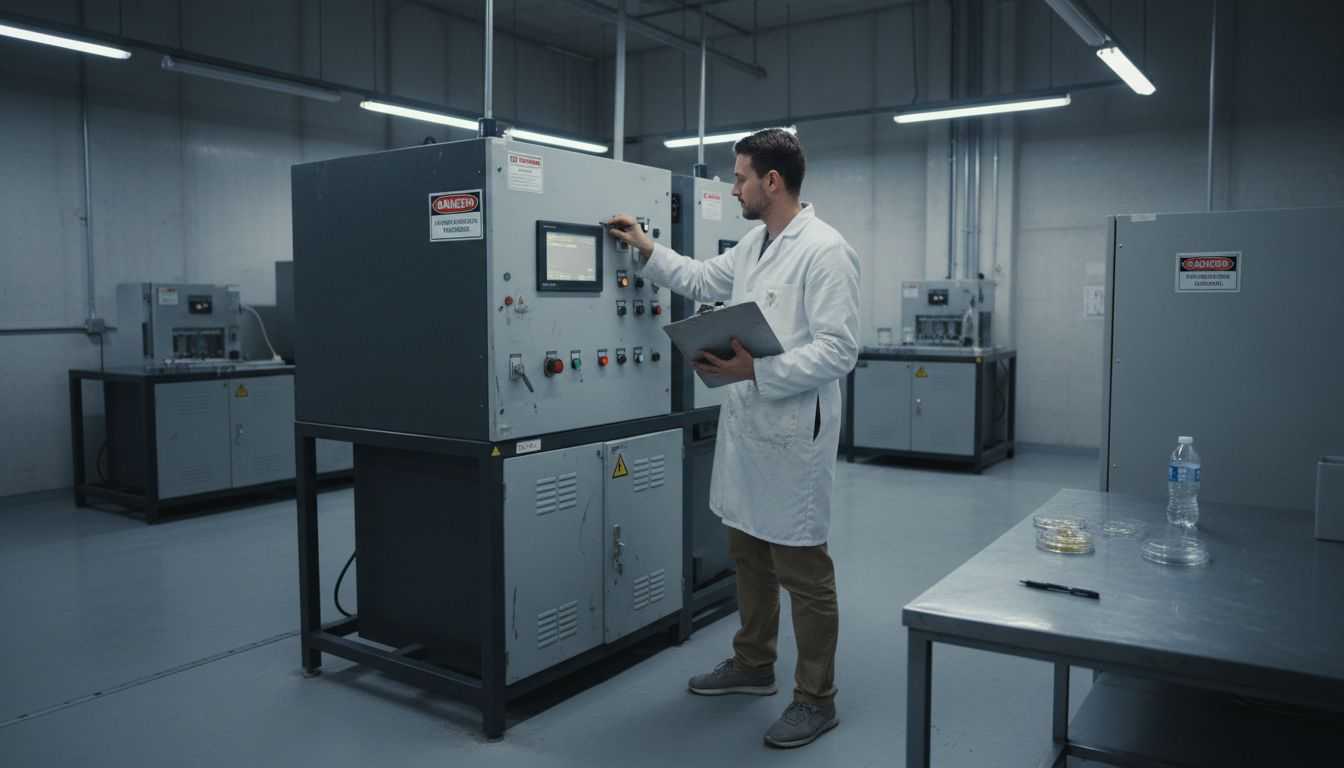
The most significant developments are emerging in several key technological domains:
Cutting-Edge Production Technologies:
- Enhanced Chemical Vapor Deposition (CVD) techniques
- Refined High Pressure High Temperature (HPHT) processes
- Precision plasma control systems
- Molecular-level carbon deposition technologies
Artificial Intelligence Integration is dramatically reshaping diamond production and assessment. AI-powered systems now enable:
- Microscopic defect detection
- Automated color and clarity grading
- Predictive diamond growth modeling
- Real-time quality control monitoring
Technological innovation is transforming lab-grown diamonds from synthetic products to engineered masterpieces of precision.
Customization technologies are expanding dramatically, allowing unprecedented personalization. Consumers can now request:
- Specific color variations
- Custom molecular structures
- Unique crystallographic configurations
- Targeted optical properties
Sustainability remains a core focus, with innovations targeting reduced energy consumption and minimized environmental impact. Manufacturers are developing carbon-neutral production processes and exploring renewable energy integration for diamond synthesis.
Key Technological Frontiers:
- Quantum computing diamond modeling
- Nanotechnology-enhanced growth techniques
- Machine learning quality optimization
- Advanced spectroscopic analysis
Pro tip: Stay informed about emerging diamond technologies by following peer-reviewed scientific publications and industry conference proceedings.
Pricing, Value, and Mined Diamond Comparisons
Diamond pricing dynamics reveal a transformative landscape in 2026, where lab-grown diamonds offer unprecedented value and affordability. These scientifically engineered gemstones challenge traditional market perceptions by providing consumers with high-quality alternatives at dramatically reduced prices.
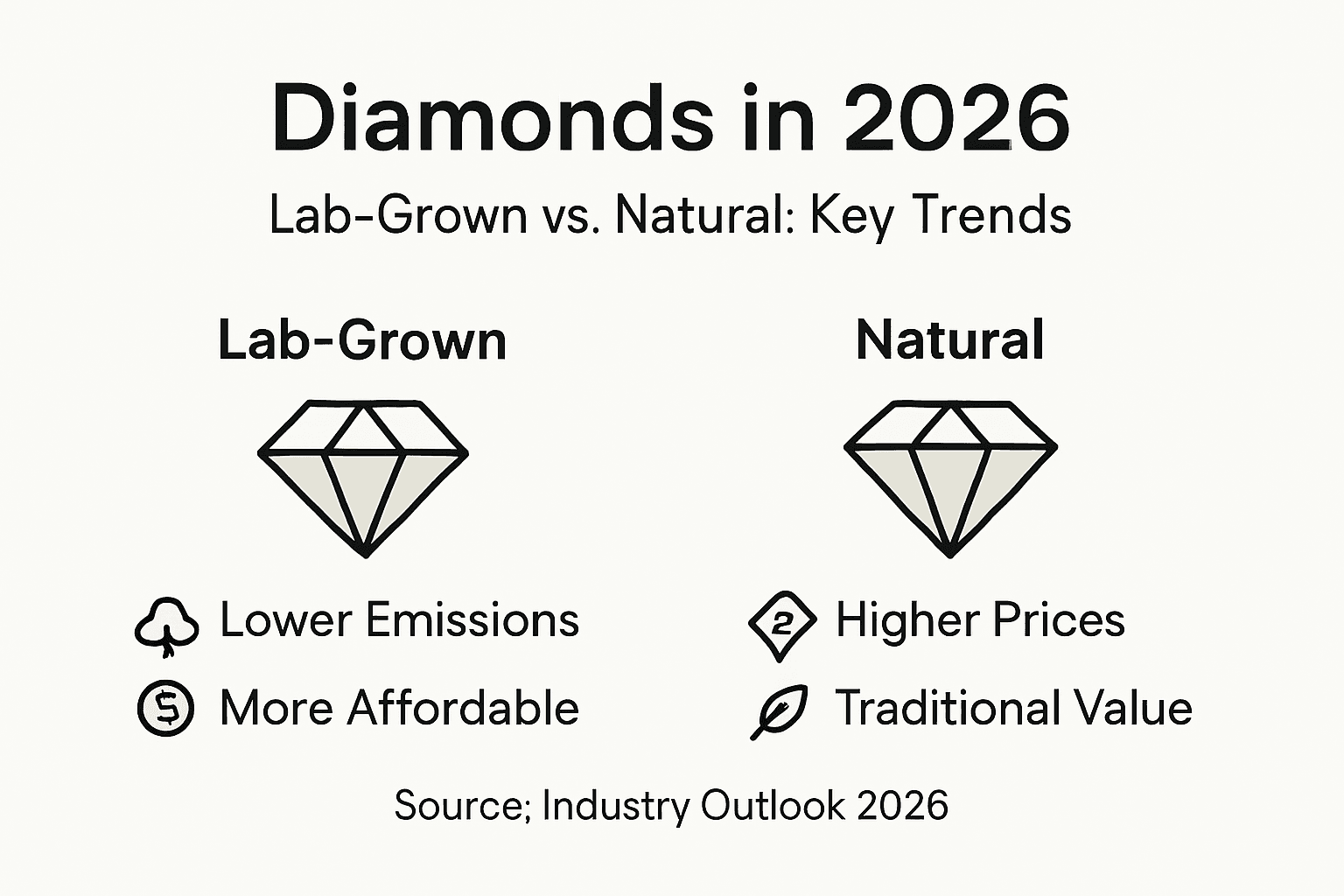
Key pricing differentials between natural and lab-grown diamonds include:
Cost Comparison Breakdown:
- Lab-grown diamonds cost 75-80% less than equivalent natural diamonds
- Identical chemical and physical properties
- Significantly more budget-friendly options
- Consistent quality across production
Resale and Investment Considerations:
- Natural diamonds retain 50-60% resale value
- Lab-grown diamonds maintain 10-20% resale value
- Long-term investment potential differs substantially
- Consumer preferences increasingly favor immediate affordability
The true value of a diamond transcends its market price – it represents personal meaning and emotional connection.
Consumer preferences are shifting dramatically, with younger generations prioritizing:
- Ethical sourcing
- Larger stone sizes
- Transparency in production
- Environmental consciousness
- Cost-effectiveness
Modern buyers recognize that lab-grown diamonds offer virtually identical optical and structural characteristics to mined diamonds, making them an increasingly attractive option for engagement rings, fine jewelry, and personal collections.
Value Proposition Factors:
- Technological precision
- Reduced environmental impact
- Lower consumer costs
- Consistent quality standards
Pro tip: Compare certification details and understand the specific grading metrics when evaluating diamond purchases to make an informed decision.
Consumer Preferences and Retail Adaptation
Millennial and Gen Z consumer trends are fundamentally reshaping the diamond market, driving unprecedented transformation in retail strategies and product offerings. These younger consumers prioritize ethical sourcing, sustainability, and transparent value propositions over traditional marketing narratives.
Consumer Value Priorities:
- Environmental sustainability
- Ethical production practices
- Transparent pricing
- Technological innovation
- Personal customization
Retail Adaptation Strategies:
- Expanding lab-grown diamond collections
- Emphasizing sustainability credentials
- Offering detailed production transparency
- Creating personalized purchasing experiences
- Developing digital consultation platforms
Consumer choices are no longer just about aesthetics – they represent personal values and global responsibility.
The retail landscape is experiencing a dramatic shift, with traditional jewelers rapidly evolving their business models to meet these emerging consumer expectations. Brands that successfully integrate technological innovation, ethical storytelling, and personalized experiences are gaining significant market share.
Key Engagement Factors:
- Interactive digital experiences
- Detailed origin and production information
- Customization options
- Transparent pricing models
- Environmental impact reporting
Younger consumers are demonstrating a clear preference for brands that align with their broader social and environmental values, making lab-grown diamonds an increasingly attractive option for engagement rings and fine jewelry.
Emerging Consumer Communication Channels:
- Social media transparency
- Virtual diamond consultations
- Augmented reality try-on experiences
- Blockchain-verified sourcing information
Pro tip: Research brands that provide comprehensive sustainability and ethical production documentation when making diamond purchasing decisions.
Discover Ethical Luxury with Eternal Carat
Navigating the evolving landscape of lab-grown diamonds means finding trusted partners who understand your desire for sustainable, high-quality jewelry that reflects personal values. The article highlights the growing preference for ethical sourcing, technological innovation, and affordability as key pain points for modern buyers seeking transparency and environmental responsibility without compromise on brilliance or craftsmanship.
At Eternal Carat, we specialize in transforming these insights into a seamless, personalized shopping experience. Our expert consultations and custom design services empower you to select or create exquisite lab-grown diamond jewelry that aligns perfectly with your vision and commitment to ethical luxury. Whether you are exploring fine jewelry collections or planning a bespoke piece, we combine traditional craftsmanship with cutting-edge technology to deliver unmatched quality.

Elevate your jewelry journey today by visiting our secure Parker, Colorado location or browsing our user-friendly online storefront. Experience firsthand how lab-grown diamonds can redefine luxury while honoring your values. Act now and embrace a future where sustainability meets timeless elegance with Eternal Carat.
Frequently Asked Questions
What are lab-grown diamonds, and how are they made?
Lab-grown diamonds are synthetic gemstones created using advanced manufacturing techniques, specifically Chemical Vapor Deposition (CVD) and High Pressure High Temperature (HPHT) processes. These methods replicate the extreme conditions found in nature, resulting in diamonds with identical physical and chemical properties to mined diamonds.
Are lab-grown diamonds considered less valuable than natural diamonds?
No, lab-grown diamonds are not considered inferior to natural diamonds. They possess the same chemical, physical, and optical characteristics. The primary differences lie in their origin and typically lower cost, not in their quality or value as gemstones.
How do I ensure the quality of a lab-grown diamond?
When purchasing a lab-grown diamond, always request a detailed certification from a recognized gemological institute. This certification will provide essential information on the diamond’s color, clarity, cut, and carat weight, helping you understand its quality metrics.
What are the environmental impacts of lab-grown diamonds compared to mined diamonds?
Lab-grown diamonds have a significantly reduced environmental footprint compared to mined diamonds. The production of lab-grown diamonds avoids the large-scale land disturbances and pollution associated with mining, making them a more sustainable choice for eco-conscious consumers.


