

Many affluent buyers believe lab-grown diamonds are inferior or fake. This misconception persists despite overwhelming scientific evidence. Lab-grown diamonds are chemically and physically identical to natural stones, offering superior sustainability without sacrificing brilliance. Understanding terminology empowers you to make confident, ethical luxury purchases aligned with your values.
Table of Contents
- Introduction To Lab-Grown Gemstone Terminology
- Core Terminology Of Lab-Grown Gemstones
- Common Misconceptions And Clarifications
- Certification, Grading, And Quality Terms
- Ethical, Sustainability, And Marketing Terminology
- Practical Application: How To Use Terminology When Choosing An Engagement Ring
- Summary And Next Steps For Ethical Luxury Buyers
- Explore Ethical Luxury: Lab-Grown Diamonds At Eternal Carat
Key Takeaways
| Point | Details |
|---|---|
| Clear terminology prevents confusion | Understanding lab-grown terms ensures accurate product evaluation and confident purchases. |
| Lab-grown vs synthetic distinctions matter | Industry prefers ‘lab-grown’ over ‘man-made’ to avoid buyer confusion and perception issues. |
| Certification ensures transparency | Recognized labs grade lab-grown stones using identical 4Cs standards as natural diamonds. |
| Ethical terms require verification | Sustainability claims must be backed by certifiable production methods and third-party validation. |
| Terminology mastery drives confidence | Proper vocabulary empowers value-aligned ring buying decisions in the luxury market. |
Introduction to Lab-Grown Gemstone Terminology
Lab-grown gemstones are chemically and physically identical to mined stones but created in controlled environments. This scientific equivalence makes precise terminology critical for luxury buyers. Vague language creates confusion and undermines purchasing confidence.
The luxury gemstone market uses specific terms to communicate quality, origin, and production methods. Understanding these terms helps you navigate product listings, certifications, and marketing claims effectively. Misinterpreting terminology can lead to purchasing decisions that don’t align with your expectations or values.
Knowledge of industry-standard vocabulary enables you to ask jewelers the right questions. You can verify authenticity, assess ethical production, and compare stones accurately. This foundation supports informed decision-making when choosing lab-grown jewelry for significant purchases like engagement rings.
The most commonly encountered terms include:
- Production method identifiers like CVD and HPHT
- Quality and grading vocabulary from gemological reports
- Ethical and sustainability terminology in marketing
- Origin descriptors that distinguish lab-grown from natural stones
Mastering this vocabulary transforms you from a passive buyer into an educated consumer. You gain the ability to discern transparent sellers from those using misleading language. Understanding lab-grown gemstone benefits becomes clearer when you can interpret terminology accurately. This knowledge protects your investment and ensures your purchase reflects your commitment to ethical luxury.
Core Terminology of Lab-Grown Gemstones
The terms ‘lab-grown,’ ‘laboratory-grown,’ and ‘synthetic’ all describe gemstones created in controlled environments. However, 78% of reputable retailers prefer ‘lab-grown’ or ‘laboratory-grown’ over ‘man-made’ to reduce consumer confusion. The term ‘synthetic’ is scientifically accurate but can mislead buyers into thinking stones are imitation rather than genuine.
Two primary production methods dominate the industry: CVD and HPHT. Chemical Vapor Deposition (CVD) grows diamonds by depositing carbon atoms layer by layer in a plasma chamber. High Pressure High Temperature (HPHT) replicates the natural diamond formation process using extreme conditions. Both methods produce genuine diamonds with identical properties to mined stones.
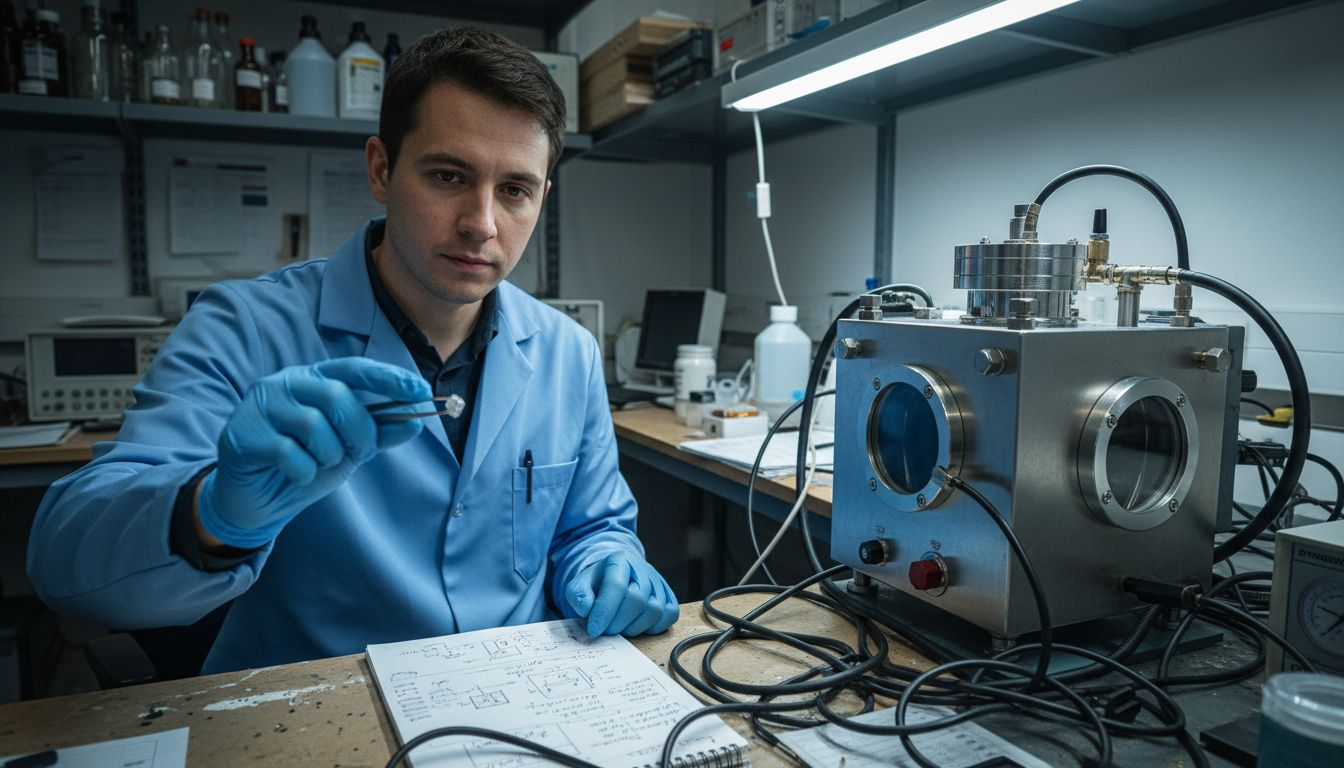
The lab-grown gemstone comparison guide reveals critical differences in market terminology. Lab-grown diamonds are real diamonds created in labs, while diamond simulants like cubic zirconia or moissanite are entirely different materials. This distinction matters enormously for value and authenticity.
| Term | Definition | Market Perception |
|---|---|---|
| Lab-Grown | Diamonds created in controlled lab environments | Preferred term, positive perception |
| Laboratory-Grown | Formal version of lab-grown | Professional, clear |
| Synthetic | Scientific term for lab-created gems | Often avoided due to negative connotations |
| Man-Made | Ambiguous descriptor | Discouraged due to confusion risk |
When evaluating lab-grown diamonds explained, focus on production transparency. Reputable sellers clearly state whether stones are CVD or HPHT grown and provide detailed origin information. Vague terminology signals potential quality or authenticity concerns.
Key terminology distinctions to remember:
- Lab-grown = genuine diamond, created in lab
- Synthetic = scientifically accurate but potentially misleading
- Simulant = different material designed to look like diamond
- Man-made = ambiguous, avoid for clarity
Pro Tip: When product descriptions lack clear production method details, directly ask sellers whether the stone is CVD or HPHT grown and request certification documentation. Transparent retailers readily provide this information and welcome informed questions from knowledgeable buyers.
Understanding terminology preferences and definitions protects you from misleading marketing. Always verify that ‘lab-grown’ or ‘laboratory-grown’ accompanies product listings rather than vague descriptors. This simple check ensures you’re purchasing genuine lab-created diamonds rather than simulants or unclear alternatives.
Common Misconceptions and Clarifications
The term ‘synthetic’ creates the most confusion in luxury markets. While scientifically accurate, many buyers interpret it as ‘fake’ or ‘imitation.’ ‘Man-made’ diamonds are less favored as the term can confuse consumers; experts recommend ‘lab-grown’ or ‘laboratory-grown’ instead. This linguistic shift helps buyers understand they’re purchasing genuine diamonds, not substitutes.
A critical misconception equates lab-grown diamonds with simulants like moissanite or cubic zirconia. These are entirely different materials with distinct chemical compositions and optical properties. Lab-grown diamonds share identical carbon crystal structures with natural diamonds, while simulants are silicon carbide or zirconium oxide. The distinction affects value, durability, and authenticity significantly.
Another prevalent myth suggests lab-grown stones receive lower quality grades than natural diamonds. Gemological laboratories apply identical 4Cs standards to both categories. A lab-grown diamond can achieve Flawless clarity and D color grade just like its natural counterpart. Grading standards remain constant regardless of origin.
The term ‘man-made’ contributes to buyer confusion by failing to specify production methods or authenticity. It could theoretically describe simulants, lab-grown diamonds, or synthetic colored gemstones. This ambiguity makes it unsuitable for luxury markets where precision and transparency matter. Preferred terminology guidance consistently recommends avoiding this vague descriptor.
Top misconceptions corrected:
- Synthetic means fake: Synthetic describes creation method, not authenticity; lab-grown diamonds are genuine diamonds.
- Lab-grown stones are lower quality: Grading standards are identical; quality depends on individual stone characteristics, not origin.
- All lab-created gems are diamonds: Lab methods create various gemstones; terminology must specify which material was grown.
- Man-made is accurate terminology: This term is too ambiguous and can mislead buyers about what they’re purchasing.
Understanding why invest in lab diamonds requires recognizing that quality, authenticity, and value stem from gemological properties, not origin labels or marketing terminology.
When sellers use ‘synthetic’ or ‘man-made’ without clarification, request specific details about production method and certification. Transparent retailers explain terminology clearly and provide documentation confirming the stone is a genuine lab-grown diamond. This verification protects your investment and ensures alignment with your expectations for ethical luxury.
Certification, Grading, and Quality Terms
Recognized gemological laboratories certify lab-grown diamonds using the same rigorous standards applied to natural stones. The Gemological Institute of America (GIA), International Gemological Institute (IGI), and other accredited labs issue reports documenting each stone’s characteristics. These certifications provide objective quality assessments independent of seller claims.
The 4Cs grading system evaluates Cut, Color, Clarity, and Carat weight identically for both lab-grown and natural diamonds. Cut grades range from Excellent to Poor based on proportions, symmetry, and polish. Color grades from D (colorless) to Z (light yellow) measure tint presence. Clarity grades from Flawless to Included assess internal characteristics. Carat measures weight.
Certification reports contain specific terminology that buyers must understand:
- Origin statement clearly identifies stones as laboratory-grown
- Grading scales match natural diamond standards exactly
- Inscription numbers link physical stones to digital reports
- Treatment disclosures reveal any post-growth enhancements
| Grading Term | Natural Diamond | Lab-Grown Diamond |
|---|---|---|
| Color Scale | D to Z (identical) | D to Z (identical) |
| Clarity Scale | FL to I3 (identical) | FL to I3 (identical) |
| Cut Grades | Excellent to Poor | Excellent to Poor |
| Origin Label | Natural | Laboratory-Grown |
Reading certification reports requires attention to origin statements and grading consistency. The report should explicitly state ‘laboratory-grown’ in the origin field and apply standard grading terminology throughout. Any deviation from recognized grading language signals potential authenticity concerns.
Understanding lab diamond certification importance means verifying reports come from accredited laboratories. GIA, IGI, and similar institutions maintain databases where you can confirm report authenticity using inscription numbers. This verification step protects against fraudulent certifications or misrepresented stones.
Pro Tip: Always verify certification authenticity by entering the report number into the issuing laboratory’s online database. This simple check confirms the physical stone matches its documentation and ensures you’re receiving the certified quality you’re paying for.
When comparing stones, focus on how certification terminology describes each characteristic. Two diamonds with identical 4Cs grades but different origins should have comparable market value. The certification language provides objective data for accurate comparison across sellers and inventory.
Ethical, Sustainability, and Marketing Terminology
Terms like ‘eco-friendly,’ ‘conflict-free,’ and ‘ethically sourced’ appear frequently in lab-grown diamond marketing. These descriptors communicate production values but require verification. ‘Conflict-free’ specifically refers to diamonds not funding armed conflict, a designation naturally applying to lab-grown stones due to their controlled origin.
Environmental impact claims connect directly to production technologies. CVD and HPHT methods consume energy, but responsible producers use renewable sources and publish impact data. ‘Eco-friendly’ should be backed by measurable metrics like carbon footprint per carat or water usage compared to mining operations.
Ethical luxury terminology encompasses both environmental and social dimensions. ‘Ethically sourced’ implies transparent supply chains, fair labor practices, and minimal environmental harm. For lab-grown diamonds, this means verifiable production facilities with documented sustainability practices rather than vague marketing promises.
Warning signs of unverified claims include:
- Generic sustainability statements without supporting data
- Ethical terminology lacking third-party certification
- Environmental claims without measurable impact comparisons
- Vague production descriptions avoiding specific methods
Understanding sustainable luxury with lab-grown diamonds requires asking specific questions about terminology. Request documentation supporting environmental claims. Verify conflict-free status through certification rather than accepting marketing language alone.
Questions to ask about sustainability terminology:
- What specific environmental metrics support eco-friendly claims?
- Which third-party organizations certify ethical production?
- How does your carbon footprint compare to traditional mining?
- What documentation proves conflict-free status?
- Are renewable energy sources used in production?
Transparent sellers welcome these questions and provide detailed answers with supporting documentation. Vague responses or deflection suggest marketing terminology lacks substance. Your due diligence ensures ethical claims align with verifiable practices.
The relationship between production technology and environmental impact matters significantly. HPHT processes typically require more energy than CVD, but renewable energy sourcing can offset this difference. Understanding these nuances helps you evaluate whether sustainability terminology reflects genuine practices or marketing positioning.
Practical Application: How to Use Terminology When Choosing an Engagement Ring
Product listings reveal seller transparency through terminology precision. Reputable retailers clearly state ‘lab-grown diamond’ or ‘laboratory-grown diamond’ prominently in descriptions. They specify production method (CVD or HPHT) and include certification details. Vague terms like ‘man-made’ or missing origin statements signal potential concerns.
When consulting with jewelers, use precise terminology to demonstrate knowledge and elicit detailed responses. Ask whether stones are CVD or HPHT grown, which laboratory issued certifications, and what specific sustainability practices the company follows. Knowledgeable sellers appreciate informed buyers and provide comprehensive answers.
Verifying sustainability claims requires moving beyond marketing language to scientific documentation. Request environmental impact assessments, renewable energy usage data, and third-party certifications. Lab diamonds in engagement rings should come with transparent documentation supporting ethical claims.
Step-by-step evaluation during purchase:
- Verify terminology clarity: Confirm listings use ‘lab-grown’ or ‘laboratory-grown’ with production method specified.
- Request certification: Obtain reports from recognized labs (GIA, IGI) and verify authenticity through lab databases.
- Ask specific questions: Inquire about production methods, sustainability practices, and ethical sourcing documentation.
- Compare grading language: Ensure certification terminology matches industry standards for 4Cs evaluation.
- Validate sustainability claims: Request measurable data supporting environmental and ethical marketing statements.
Pro Tip: Misleading terminology often uses hedge words like ‘diamond-like’ or ‘simulated’ when describing simulants. Genuine lab-grown diamonds are always called ‘lab-grown diamonds’ or ‘laboratory-grown diamonds’ without qualifiers. This linguistic precision distinguishes authentic products from imitations.
Transparent language appears consistently across product listings, certifications, and seller communications. Discrepancies between marketing terminology and certification language warrant clarification. Your engagement ring purchase represents significant investment; terminology mastery protects this investment and ensures alignment with your values.
When evaluating multiple options, create a terminology checklist covering production method disclosure, certification source, grading language, and sustainability documentation. This systematic approach leverages your vocabulary knowledge to identify the most transparent and trustworthy sellers in the luxury lab-grown market.
Summary and Next Steps for Ethical Luxury Buyers
Mastering lab-grown gemstone terminology provides the foundation for confident luxury purchases. Understanding distinctions between ‘lab-grown,’ ‘synthetic,’ and ‘man-made’ prevents confusion. Recognizing certification grading language ensures quality assessment accuracy. Evaluating ethical terminology with scrutiny validates sustainability claims.
Terminology knowledge transforms your purchasing approach from passive acceptance to active verification. You can now identify transparent sellers, request appropriate documentation, and compare stones using objective criteria. This expertise protects your investment and ensures your purchase reflects genuine ethical luxury values.
Demand transparency from every seller you consider. Use precise vocabulary when asking questions about production methods, certifications, and sustainability practices. Your informed approach signals that vague marketing language won’t suffice. This standard elevates the entire industry by rewarding transparency and penalizing ambiguity.
The path forward involves applying this terminology foundation to your specific ring search. Evaluate product listings critically, verify certifications thoroughly, and ask detailed questions confidently. Your knowledge empowers value-driven decisions aligned with both luxury expectations and ethical commitments.
Consider consulting with experts who share your commitment to terminology precision and ethical transparency. Eternal Carat personal consultation provides personalized guidance using the exact vocabulary and verification standards discussed throughout this guide. Professional support accelerates your search while ensuring every terminology detail receives proper attention.
Explore Ethical Luxury: Lab-Grown Diamonds at Eternal Carat
Your journey from confusion to clarity deserves a partner equally committed to transparency and ethical luxury. Eternal Carat specializes in certified lab-grown diamonds backed by comprehensive documentation and expert guidance.

Our Parker, Colorado location offers private consultations where terminology questions receive detailed answers. We explain production methods, walk through certifications, and validate sustainability claims with measurable data. Understanding lab-grown diamonds sustainability role becomes tangible when examining our curated collection.
Explore lab-grown diamonds explained through our educational resources designed for discerning buyers. Each piece in our collection comes with full certification from recognized laboratories and transparent production disclosure. Your engagement ring search deserves this level of precision and ethical commitment.
Schedule your appointment at Eternal Carat to experience how terminology mastery translates into confident luxury purchases. Our experts speak your language and share your values.
Frequently Asked Questions
What is the difference between ‘lab-grown’ and ‘synthetic’ gemstones?
Lab-grown and synthetic gemstones are chemically and physically identical; both terms describe diamonds created in controlled environments. The industry prefers ‘lab-grown’ because ‘synthetic’ carries negative connotations that mislead consumers into thinking stones are imitation rather than genuine diamonds.
How can I verify the ethical claims of a lab-grown gemstone?
Request certification from recognized gemological laboratories confirming origin and production details. Ask sellers for specific documentation about environmental impact metrics, renewable energy usage, and third-party ethical certifications rather than accepting marketing claims at face value.
Are lab-grown diamonds graded the same way as natural diamonds?
Yes, recognized gemological laboratories apply identical 4Cs grading standards to both lab-grown and natural diamonds. Certification reports clearly identify stones as laboratory-grown while using the same Cut, Color, Clarity, and Carat evaluation criteria regardless of origin.
Why is the term ‘man-made’ diamond less recommended?
‘Man-made’ diamonds can confuse consumers and are less favored than ‘lab-grown’ or ‘laboratory-grown’ terms. This vague descriptor fails to specify whether stones are genuine diamonds or simulants, creating ambiguity that undermines purchasing confidence in luxury markets where precision matters.


