

Selecting the perfect engagement ring is more than a tradition for many American couples in the Denver metro area. Luxury, ethical sourcing, and a truly personal shopping experience have become top priorities. Over 60 percent of modern American buyers now consider environmental and social impact alongside brilliance and value. This guide uncovers what sets lab diamonds apart, empowering couples to make an informed and meaningful choice for their lifelong commitment.
Table of Contents
- What Makes Lab Diamonds Distinct
- How Lab Diamonds Are Created and Certified
- Types and Customization Options Available
- Ethical Sourcing and Environmental Impact
- Financial Advantages for Discerning Buyers
- Comparing Lab Diamonds to Mined Stones
Key Takeaways
| Point | Details |
|---|---|
| Lab Diamonds vs. Mined Diamonds | Lab diamonds are created through advanced technological processes and have identical properties to mined diamonds, offering consumers a sustainable and ethical choice. |
| Production Methods | Lab diamonds are primarily produced using Chemical Vapor Deposition (CVD) and High Pressure High Temperature (HPHT) methods, each with distinct advantages in purity and customization. |
| Cost Benefits | Lab diamonds typically cost 30-50% less than comparable mined diamonds, allowing consumers to maximize value without sacrificing quality. |
| Environmental Responsibility | The production of lab diamonds significantly reduces ecological disruption associated with traditional mining, offering a conflict-free gemstone option with a traceable supply chain. |
What Makes Lab Diamonds Distinct
Lab diamonds represent a technological breakthrough in gemstone creation, offering an ethically sourced alternative that matches the physical and visual characteristics of traditional mined diamonds. Unlike natural diamonds formed over billions of years deep within the Earth, these scientifically engineered stones are created through precise technological processes that replicate natural diamond formation conditions.
The fundamental distinction lies in their origin and production method. Lab diamonds are grown in controlled environments using advanced technologies like Chemical Vapor Deposition (CVD) or High Pressure High Temperature (HPHT) techniques. These methods simulate the extreme heat and pressure conditions that naturally create diamonds, resulting in stones with identical chemical, physical, and optical properties to mined diamonds. Consumers can explore exceptional examples like the IGI 1.84ct G VVS2 Asscher to understand the remarkable quality achievable through lab diamond technology.
Moreover, lab diamonds offer significant advantages in sustainability and ethical production. Traditional diamond mining often involves environmental disruption and potential labor exploitation, whereas lab-created diamonds eliminate these concerns. They require substantially less ecological intervention, generate minimal carbon footprint, and provide complete transparency in their production chain. Each lab diamond represents a commitment to responsible luxury, allowing consumers to make an environmentally conscious choice without compromising on brilliance or quality.
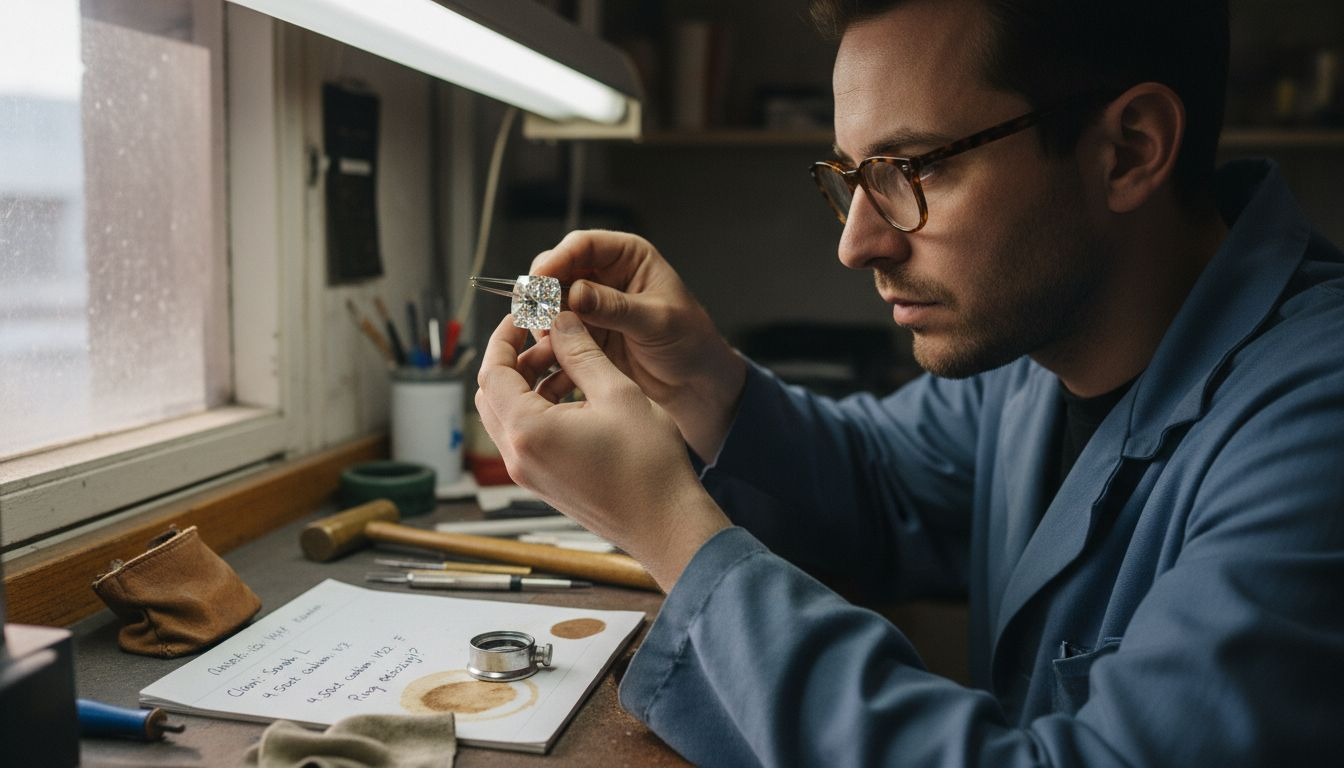
Pro tip: When selecting a lab diamond, always request the International Gemological Institute (IGI) certification to verify the stone’s precise specifications and quality standards.
How Lab Diamonds Are Created and Certified
The creation of lab diamonds represents a remarkable intersection of advanced scientific techniques and precise engineering, transforming how high-quality gemstones are produced. Modern lab diamond production primarily utilizes two sophisticated methods: Chemical Vapor Deposition (CVD) and High Pressure High Temperature (HPHT), each capable of generating diamonds with exceptional quality and molecular precision.
In the CVD process, diamond growth begins with a thin diamond seed placed in a sealed chamber. Hydrogen and carbon-rich gases are heated to extremely high temperatures, causing carbon atoms to gradually deposit and crystallize onto the seed. Alternatively, the HPHT method replicates natural diamond formation by subjecting carbon to extreme pressure and temperature, essentially mimicking geological conditions that produce diamonds underground. Both techniques ensure precise diamond certification through rigorous international standards.
Here’s how lab diamond creation methods differ:
| Process | Key Materials Used | Typical Growth Time | Distinctive Outcome |
|---|---|---|---|
| CVD (Chemical Vapor Deposition) | Carbon gases, diamond seed | Few weeks | Highly pure, customizable size |
| HPHT (High Pressure High Temp) | Carbon, metal catalyst | Several weeks | Larger crystal sizes possible |
Certification represents another critical aspect of lab diamond production, with organizations like the International Gemological Institute (IGI) providing comprehensive evaluations. These assessments examine multiple factors including carat weight, color grade, clarity, and cut precision. Consumers can explore detailed examples like the IGI 1.72ct D VS1 Cushion, which demonstrates the meticulous documentation accompanying each lab-created diamond. This transparent approach allows buyers to understand exactly what they are purchasing, with each stone receiving a detailed scientific assessment that guarantees its quality and origin.
Pro tip: When purchasing a lab diamond, always request the full certification report and carefully review the detailed specifications to ensure you understand the stone’s precise characteristics.
Types and Customization Options Available
Lab diamonds offer unprecedented versatility in engagement ring design, transforming traditional jewelry selection into a deeply personalized experience. Unlike natural diamonds limited by geological constraints, these scientifically engineered stones provide couples with extraordinary creative freedom in crafting their perfect symbol of commitment.
The range of customization options is remarkable. Jewelers can create bespoke designs spanning multiple aesthetic preferences. Diamond shapes include classic cuts like round brilliant, emerald, and princess, as well as more contemporary options such as marquise, pear, and cushion. Color variations extend far beyond traditional white, with lab diamonds available in elegant fancy colors including soft pink, oceanic blue, canary yellow, and even rare green hues, allowing couples to select stones that truly reflect their individual style.
Metal selections further enhance personalization possibilities. Engagement rings featuring lab diamonds can be crafted in platinum, yellow gold, white gold, rose gold, and mixed metal designs. Each metal offers unique characteristics: platinum provides durability and a modern sheen, yellow gold represents timeless elegance, rose gold delivers romantic warmth, and mixed metals create intricate, contemporary statements. Couples can also explore intricate setting styles ranging from minimalist solitaire designs to elaborate halo configurations, vintage-inspired arrangements, and asymmetrical modern interpretations.
Pro tip: Schedule a personalized consultation with a design specialist to explore the full spectrum of lab diamond customization options and discover a truly unique engagement ring that tells your personal love story.
Ethical Sourcing and Environmental Impact
The emergence of lab-grown diamonds represents a profound shift in the jewelry industry’s approach to sustainability and ethical production. Traditional diamond mining has long been associated with significant environmental disruption, including extensive land excavation, ecosystem destruction, and substantial carbon emissions. Lab diamonds offer a transformative alternative that dramatically reduces these negative ecological consequences.
Sustainable diamond production eliminates many of the destructive practices inherent in traditional mining. Environmental benefits include avoiding massive land displacement, preventing deforestation, and eliminating water contamination typically associated with mining operations. While lab diamond creation does require substantial electricity, forward-thinking manufacturers are increasingly utilizing renewable energy sources to further minimize carbon footprint. This approach represents a significant advancement in responsible gemstone production.
Beyond environmental considerations, lab diamonds provide unparalleled transparency in their supply chain. Unlike mined diamonds, which can potentially originate from regions with complex geopolitical challenges, lab-created stones guarantee a conflict-free origin. Consumers can trace their diamond’s entire production process, understanding exactly where and how their gemstone was created. This level of accountability appeals to socially conscious buyers who seek meaningful connections between their purchasing decisions and global ethical standards.
Pro tip: Request detailed sustainability documentation from your jeweler to understand the specific environmental practices used in creating your lab diamond engagement ring.
Financial Advantages for Discerning Buyers
Engagement ring shopping represents a significant financial investment, and lab diamonds offer a revolutionary approach to maximizing value without compromising quality. The traditional diamond market has long been characterized by inflated pricing and limited consumer options, but lab-grown diamonds are transforming this landscape by providing exceptional alternatives at substantially reduced costs.
Lab diamond financial benefits are particularly compelling for discerning buyers. Cost savings typically range between 30-50% compared to mined diamonds of equivalent quality, enabling consumers to either reduce their overall spending or upgrade to larger, more spectacular stones within the same budget. These price advantages stem from eliminated mining costs, more efficient production processes, and a streamlined supply chain that removes multiple intermediary markups.
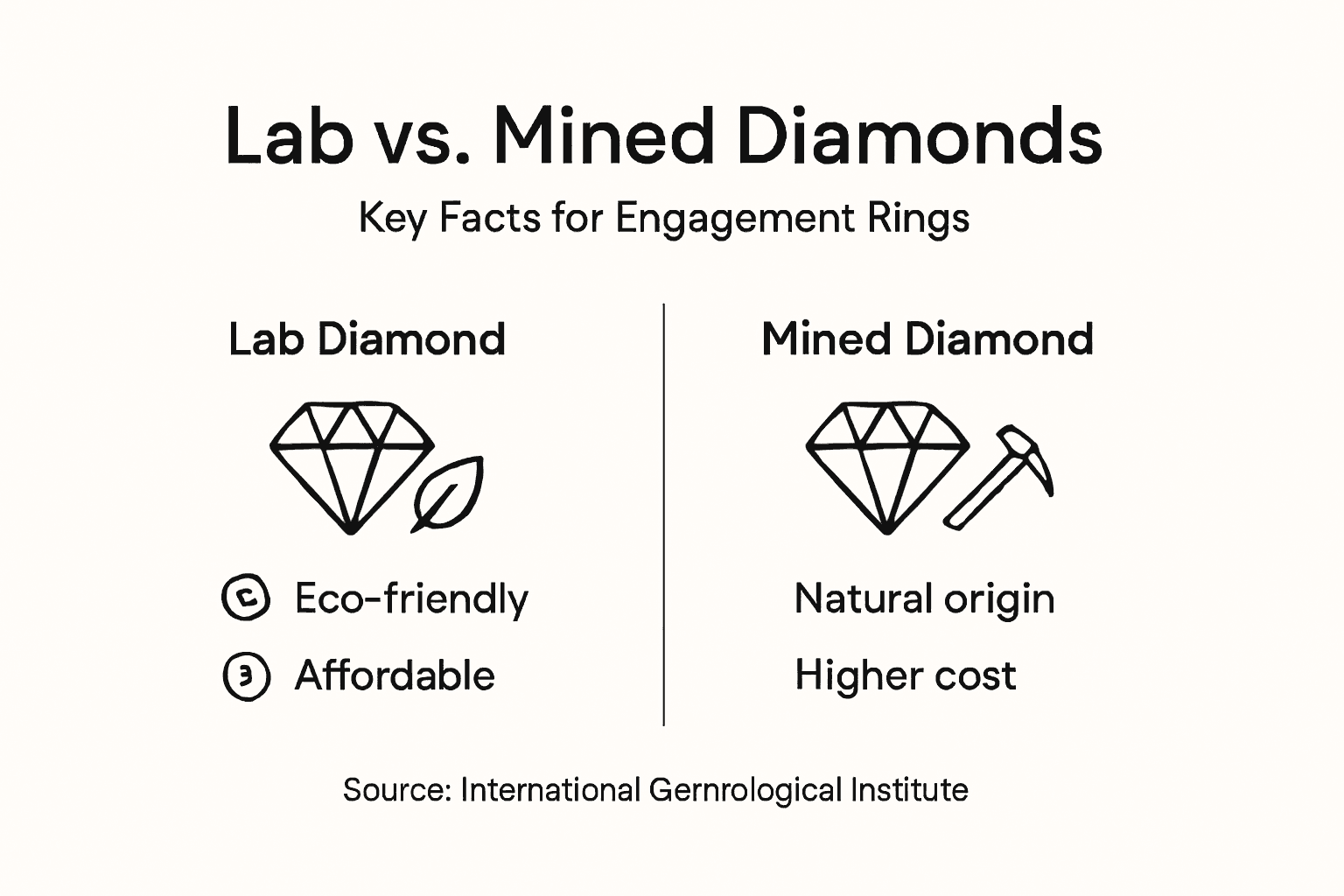
Beyond immediate purchase price, lab diamonds offer long-term financial advantages. Their stable pricing model provides greater predictability compared to the volatile natural diamond market, which can fluctuate based on mining conditions, geopolitical factors, and scarcity. Consumers can confidently invest in a high-quality stone knowing they’re receiving exceptional value without the speculative pricing associated with traditional diamond markets. Additionally, the consistent quality and verifiable origin of lab diamonds create a more transparent purchasing experience that empowers buyers to make informed financial decisions.
Pro tip: Before purchasing, compare the exact specifications and pricing of similar lab and mined diamonds to fully understand the potential savings and value proposition.
Comparing Lab Diamonds to Mined Stones
At first glance, lab diamonds and mined diamonds appear indistinguishable, but their origins reveal profound differences that impact consumers’ purchasing decisions. Both stone types share identical chemical compositions, crystal structures, and optical properties, ensuring that lab diamonds are not imitations but genuine diamonds created through alternative production methods.
Diamond formation processes represent a critical point of differentiation. Natural diamonds form over billions of years deep within the Earth’s mantle, requiring extensive mining operations that frequently cause environmental disruption. Conversely, lab diamonds are precisely engineered in controlled settings, completing their growth cycle in mere weeks. This accelerated process allows for more predictable quality control and significantly reduced ecological impact, making lab diamonds an increasingly attractive option for environmentally conscious consumers.
The technical similarities between lab and mined diamonds are remarkable. Gemological experts confirm that both types possess identical physical characteristics, including hardness, thermal conductivity, and light refraction. Advanced testing equipment can detect subtle differences in growth patterns, but to the naked eye, these stones are virtually indistinguishable. This equivalence means consumers can select lab diamonds without compromising on the aesthetic or structural qualities traditionally associated with natural stones, while simultaneously supporting more sustainable and ethical production practices.
Here’s a concise comparison of lab and mined diamonds:
| Aspect | Lab Diamonds | Mined Diamonds |
|---|---|---|
| Formation Time | Several weeks | Billions of years |
| Environmental Impact | Minimal disruption | Major land excavation |
| Price Stability | More predictable | Highly variable |
| Supply Chain | Fully traceable | Often opaque |
| Ethical Concerns | Conflict-free | Potential labor issues |
Pro tip: Request a detailed gemological certification that includes origin information to fully understand the specific characteristics of your diamond.
Discover How Lab Diamonds Can Perfect Your Engagement Ring Journey
The article highlights common challenges like finding ethically sourced diamonds that do not compromise on brilliance or quality while also offering customization and transparency. Many couples want an elegant, sustainable option that reflects their personal story and values. Lab diamonds answer these needs by providing conflict-free stones grown through advanced scientific methods with verifiable certification. You also want expert assistance to navigate options for shape, color, and metal that make your ring unique.
At Eternal Carat, we share your passion for ethical luxury and personal expression. Our curated collection of lab-grown diamonds and bespoke fine jewelry lets you bring your vision to life with precision and elegance. Benefit from our expert consultations in Parker, Colorado, or explore our sophisticated online platform where you can browse exquisite options including the custom designs featured in the article. We ensure complete transparency with detailed gemological reports so you can confidently choose the perfect stone.
Are you ready to create a brilliant engagement ring that perfectly matches your values and style today

Explore our exceptional range of lab diamonds and personalized design services at Eternal Carat and take the first step toward a sustainable and stunning symbol of lasting love.
Frequently Asked Questions
What are lab diamonds and how do they differ from mined diamonds?
Lab diamonds are created through advanced technological processes that replicate natural diamond formation conditions, resulting in stones that possess identical physical, chemical, and optical properties to mined diamonds. The key difference lies in their origin and production method.
How are lab diamonds certified?
Lab diamonds are certified by organizations like the International Gemological Institute (IGI), which evaluates multiple factors such as carat weight, color grade, clarity, and cut precision, providing buyers with reliable documentation of the diamond’s quality and specifications.
What customization options are available for lab diamond engagement rings?
Lab diamonds offer extensive customization options, including various diamond shapes, colors, and setting styles. Couples can choose from traditional cuts like round and princess or contemporary shapes like pear and cushion, as well as select different metals and unique designs for their rings.
What are the environmental and ethical benefits of choosing lab diamonds?
Lab diamonds significantly reduce environmental disruption compared to traditional mining, as they require less land use and generate a lower carbon footprint. They also ensure a conflict-free origin, providing consumers with transparency in their production chain and eliminating concerns related to labor exploitation.


