

Selecting an engagement ring should be an exciting milestone, not a struggle with ethical or environmental concerns. For couples in the Denver area who value both responsible sourcing and refined beauty, lab-grown diamonds offer a compelling blend of luxury and sustainability. These scientifically crafted gems mirror the physical and optical brilliance of mined stones without the destructive impact on Earth’s landscapes, making it simple to honor your values while celebrating your love.
Table of Contents
- Lab-Grown Diamonds Defined And Explained
- Production Methods: CVD And HPHT Compared
- Environmental Footprint Vs. Mined Diamonds
- Ethical Benefits And Social Implications
- Common Misconceptions And Market Trends
- Choosing Lab-Grown Diamonds For Sustainable Jewelry
Key Takeaways
| Point | Details |
|---|---|
| Lab-Grown Diamonds vs. Mined Diamonds | Lab-grown diamonds are scientifically created, offering identical properties to natural diamonds while being more environmentally sustainable and ethically sourced. |
| Production Methods: CVD and HPHT | The two main methods of creating lab-grown diamonds, Chemical Vapor Deposition (CVD) and High Pressure High Temperature (HPHT), each possess distinct growth characteristics impacting purity and production speed. |
| Environmental and Ethical Advantages | Choosing lab-grown diamonds significantly reduces ecological disruption and supports fair labor practices compared to traditional diamond mining. |
| Market Trends and Consumer Preferences | There is a notable shift towards lab-grown diamonds among younger consumers prioritizing sustainability and ethical considerations in luxury purchases. |
Lab-Grown Diamonds Defined and Explained
Lab-grown diamonds represent a technological marvel in modern jewelry, offering consumers a scientifically precise alternative to traditionally mined gemstones. These remarkable stones are created through advanced technological processes that replicate the natural diamond formation conditions, producing gems with identical physical, chemical, and optical characteristics to mined diamonds.
Two primary methods dominate lab-grown diamond production: Chemical Vapor Deposition (CVD) and High Pressure High Temperature (HPHT). In the CVD method, carbon atoms are carefully deposited onto a diamond seed within a gas-rich chamber at extreme temperatures. Synthetic diamond production methods involve meticulously controlled environments that simulate the intense geological conditions responsible for natural diamond creation.
The HPHT technique uses extreme temperature and pressure conditions that mimic the Earth’s deep crust, transforming carbon into crystalline diamond structures. Lab-grown diamond manufacturing processes can produce stones ranging from small fragments to one-carat gems, with production times varying between two weeks to a month depending on the diamond’s size and complexity.
These diamonds offer significant advantages beyond their identical physical properties. They represent a more environmentally conscious choice, eliminating the ecological disruption associated with traditional mining while providing a cost-effective alternative for consumers seeking high-quality, ethically sourced gemstones.
Pro tip: When selecting a lab-grown diamond, request a detailed certification that specifies the production method and includes comprehensive quality metrics to ensure you’re getting a precisely crafted, premium gemstone.
Production Methods: CVD and HPHT Compared
Chemical Vapor Deposition (CVD) and High Pressure High Temperature (HPHT) represent two groundbreaking techniques for creating lab-grown diamonds, each with unique characteristics and manufacturing approaches. Understanding these methods helps consumers appreciate the sophisticated science behind ethically produced gemstones.
In the CVD method, microwave plasma diamond growth occurs in specialized vacuum chambers where carbon atoms are methodically deposited layer by layer onto a diamond seed. This process generates diamonds with exceptional clarity and uniform color characteristics, though it typically requires longer production times compared to HPHT.
Lab diamond production techniques reveal that HPHT simulates natural geological conditions by applying extreme pressure and temperature to carbon sources. This method crystallizes diamonds more rapidly and is particularly effective for producing larger stones with potentially enhanced color grades. The key difference lies in their growth environments: CVD uses lower pressures in gas-rich chambers, while HPHT replicates the intense underground conditions where natural diamonds form.
Both techniques produce diamonds with identical physical and chemical properties, but they differ in growth kinetics, impurity levels, and potential specialized applications. CVD diamonds typically demonstrate lower dislocation densities and fewer nitrogen impurities, making them especially valuable for high-precision technological applications beyond traditional jewelry.
Here is a side-by-side comparison of lab-grown diamond production methods:
| Aspect | Chemical Vapor Deposition (CVD) | High Pressure High Temperature (HPHT) |
|---|---|---|
| Growth Environment | Gas-rich vacuum chamber | Pressurized, high-temperature cell |
| Speed | Slower, more controlled | Faster crystal growth |
| Typical Purity | Fewer nitrogen impurities | May contain more metallic inclusions |
| Stone Size Potential | Suited for smaller, flawless gems | Effective for larger carat stones |
| Application Focus | High-tech uses, fine jewelry | Jewelry, larger decorative stones |
Pro tip: Request detailed documentation about your lab-grown diamond’s specific production method to understand its unique growth characteristics and potential performance variations.
Environmental Footprint vs. Mined Diamonds
The environmental consequences of diamond production represent a critical consideration for conscientious consumers seeking sustainable luxury. Diamond mining environmental impacts reveal a stark contrast between traditional mining practices and modern lab-grown diamond technologies.
Traditional diamond mining devastates local ecosystems through extensive landscape alteration, including massive open-pit excavations and underground tunneling that permanently transform natural habitats. These operations disrupt delicate environmental systems, deplete soil nutrients, and cause significant water pollution through sediment runoff. In contrast, lab-grown diamonds eliminate these destructive processes, offering a dramatically reduced ecological footprint that preserves natural landscapes and biodiversity.
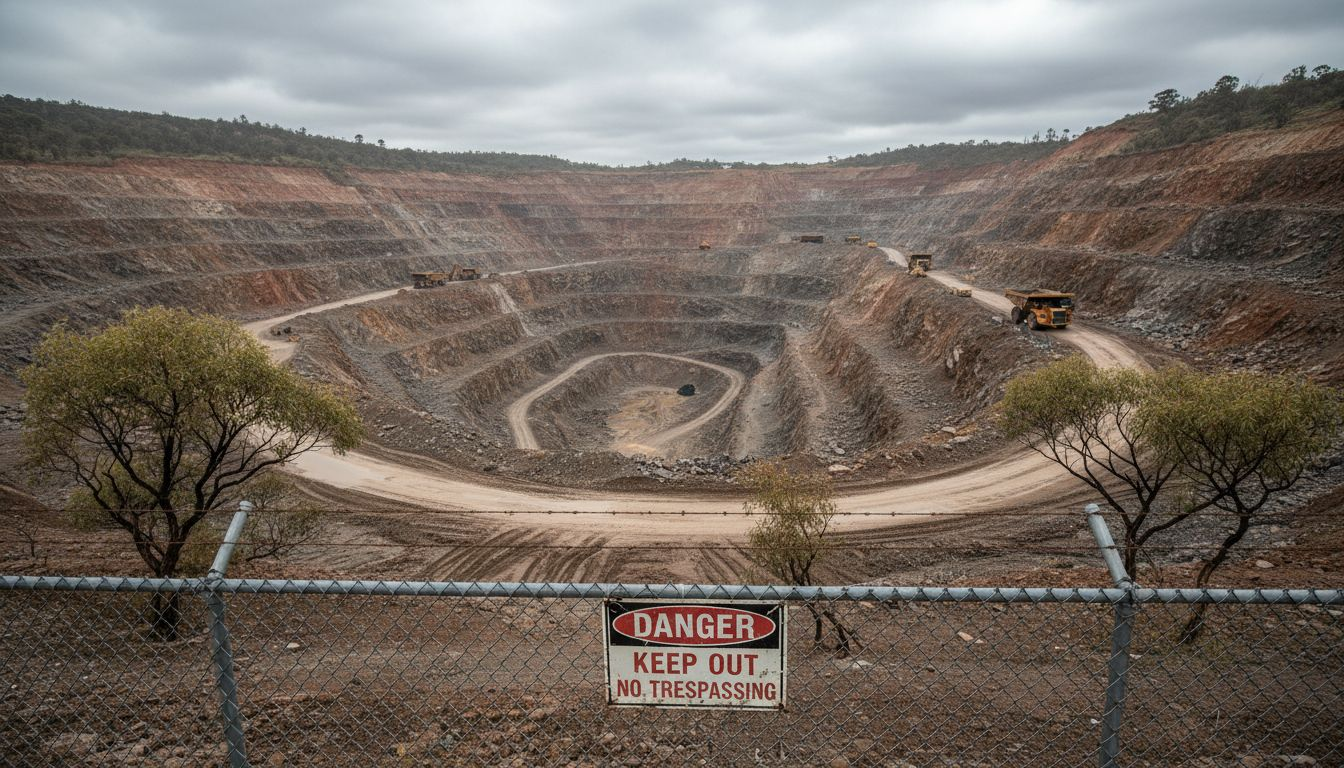
Carbon emissions in diamond production demonstrate remarkable differences between mined and lab-created stones. A single carat of lab-grown diamonds generates substantially less carbon dioxide compared to mined diamonds, primarily because lab production avoids the energy-intensive mining operations that require extensive land movement, heavy machinery, and ecosystem disruption. The precision of laboratory techniques means less waste, lower energy consumption, and a minimal environmental impact.
Moreover, lab-grown diamonds represent a forward-thinking approach to luxury, allowing consumers to make environmentally responsible choices without compromising on quality or aesthetic appeal. By selecting lab-created stones, individuals can directly contribute to reducing environmental degradation while enjoying the same brilliance and durability associated with traditional diamonds.
The table below outlines key environmental and ethical differences between lab-grown and mined diamonds:
| Factor | Lab-Grown Diamonds | Mined Diamonds |
|---|---|---|
| Land Use | Minimal, factory-based | Extensive, habitat disruption |
| Carbon Emissions | Significantly lower | High, due to mining process |
| Worker Safety | Controlled lab setting | Physical risk, labor issues |
| Traceability | Fully documented origins | Often difficult to verify |
Pro tip: Request a comprehensive environmental impact report when purchasing lab-grown diamonds to understand the specific sustainability metrics of your chosen gemstone.
Ethical Benefits and Social Implications
The emergence of lab-grown diamonds represents a transformative shift in the global jewelry industry, offering profound ethical advantages that challenge traditional diamond sourcing practices. Ethical diamond production standards have fundamentally reshaped consumer expectations around transparency, social responsibility, and human rights in gemstone manufacturing.
Traditional diamond mining has long been associated with significant human rights challenges, including exploitative labor practices, conflict financing, and dangerous working conditions in developing regions. Lab-grown diamonds eliminate these systemic issues by providing a controlled, transparent production environment where every stage of manufacturing can be ethically monitored and documented. The precision of laboratory techniques ensures fair labor practices and removes the risk of supporting unethical supply chains that have historically plagued the diamond industry.
Economic implications of lab diamonds reveal a democratizing effect on luxury markets, making high-quality gemstones more accessible to middle-class consumers. By reducing production costs and avoiding the complex geopolitical challenges of traditional mining, lab-grown diamonds create new economic opportunities and support more equitable global trade practices. This shift empowers consumers to make socially conscious purchasing decisions without compromising on quality or aesthetic appeal.
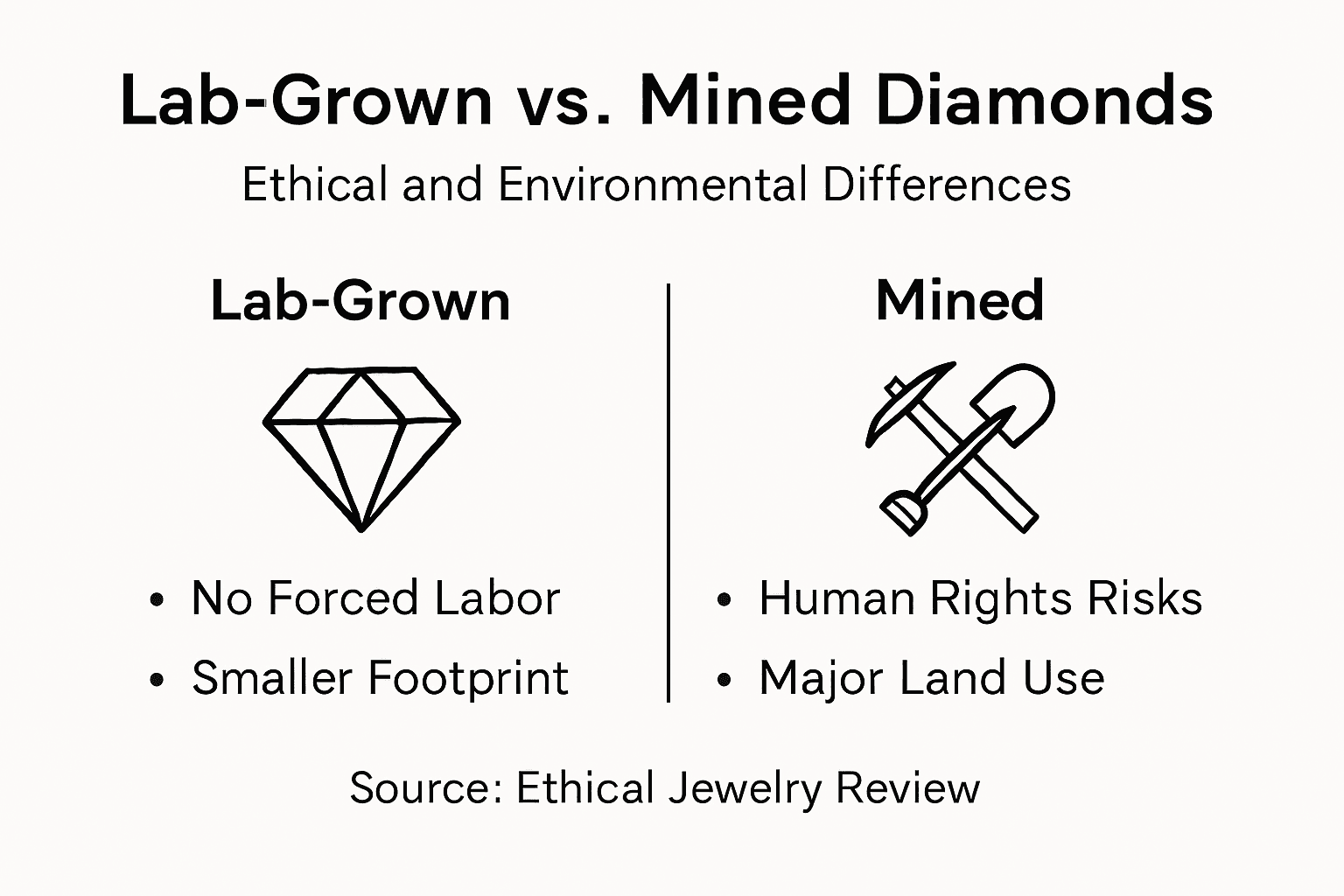
Moreover, the rise of lab-grown diamonds signals a broader cultural transformation, reflecting increasing consumer demand for products that align with personal values of sustainability, social responsibility, and ethical consumption. By choosing lab-created stones, individuals actively participate in driving positive change within the global jewelry industry, supporting innovative technologies that prioritize human dignity and environmental stewardship.
Pro tip: When purchasing a lab-grown diamond, request a detailed ethical sourcing documentation to understand the complete social and environmental impact of your gemstone.
Common Misconceptions and Market Trends
Lab-grown diamonds continue to challenge traditional perceptions of luxury and quality, dismantling long-standing misconceptions about their authenticity and value. Diamond market transformation reveals a significant shift in consumer understanding and acceptance of technologically produced gemstones.
One prevalent misconception is that lab-grown diamonds are somehow inferior or artificial. In reality, these stones possess identical chemical, physical, and optical properties to mined diamonds, created through sophisticated scientific processes that precisely replicate natural formation conditions. Lab diamond market dynamics demonstrate that technological advancements have made lab-created stones indistinguishable from their mined counterparts, with increasingly sophisticated production techniques ensuring exceptional quality.
Market trends indicate a rapidly evolving landscape where ethical considerations and environmental consciousness are driving consumer preferences. Younger generations, particularly Millennials and Generation Z, are increasingly prioritizing sustainability and transparency in their luxury purchases. This demographic shift has accelerated the acceptance of lab-grown diamonds, transforming them from a niche product to a mainstream alternative that represents both technological innovation and social responsibility.
The economic implications of this market transformation are profound. Reduced production costs, improved manufacturing technologies, and growing consumer awareness are expanding the market segment for lab-grown diamonds. What was once viewed as an alternative is now becoming a preferred choice for consumers seeking high-quality, ethically sourced, and environmentally responsible luxury products.
Pro tip: Request a detailed gemological certification when purchasing a lab-grown diamond to understand its precise specifications and verify its quality and origin.
Choosing Lab-Grown Diamonds for Sustainable Jewelry
Selecting lab-grown diamonds represents a conscious decision to embrace sustainable luxury that combines aesthetic elegance with environmental responsibility. Sustainable jewelry trends demonstrate how modern consumers are redefining luxury through ethical and environmentally mindful choices.
When evaluating lab-grown diamonds, consumers should prioritize several key considerations. Diamond selection criteria include verifying certification from reputable gemological laboratories, understanding production methods, and assessing the stone’s carbon footprint. These factors ensure not just aesthetic quality, but a genuine commitment to sustainable practices.
The creative possibilities with lab-grown diamonds extend far beyond traditional constraints. Unlike mined diamonds, these stones offer unprecedented flexibility in cut, color, and design, allowing jewelry designers and consumers to explore more innovative and personalized options. This technological advantage means you can select a diamond that not only aligns with your ethical values but also perfectly matches your individual style and aesthetic preferences.
Moreover, lab-grown diamonds represent an investment in both personal style and global sustainability. By choosing these stones, consumers directly support technological innovation, reduce environmental impact, and challenge traditional mining practices. Each lab-grown diamond becomes a statement piece that reflects a commitment to responsible consumption and forward-thinking luxury.
Pro tip: Always request a comprehensive sustainability report alongside your diamond’s gemological certification to fully understand its environmental and ethical provenance.
Discover Ethical Brilliance with Eternal Carat
If you value sustainable luxury and ethical sourcing as highlighted in “Lab-Grown Diamonds: Transforming Sustainable Luxury,” Eternal Carat offers a tailored solution that meets your highest standards. We understand the challenge of finding lab-grown diamonds that combine environmental responsibility, exquisite craftsmanship, and verified ethical origins. Our collection of premium lab-grown diamonds ensures you enjoy the same durability and brilliance of natural stones while supporting innovative, sustainable practices.

Explore our extensive range of custom designs and fine jewelry or book an expert consultation at our secure Parker, Colorado location. Act now to embrace a luxurious statement that honors your values and stands the test of time. Visit Eternal Carat and start your journey toward elegant, responsible jewelry. Learn more about our Custom Design & Fine Jewelry and experience the future of precious gems today.
Frequently Asked Questions
What are lab-grown diamonds?
Lab-grown diamonds are scientifically created gemstones that mirror the physical, chemical, and optical properties of naturally mined diamonds. They are produced through advanced technologies like Chemical Vapor Deposition (CVD) and High Pressure High Temperature (HPHT).
How do lab-grown diamonds compare to mined diamonds?
Lab-grown diamonds and mined diamonds have identical chemical and physical properties, making them visually indistinguishable. However, lab-grown diamonds typically have a significantly lower environmental impact and are often more affordable than their mined counterparts.
What are the environmental benefits of choosing lab-grown diamonds?
Lab-grown diamonds significantly reduce ecological disruption compared to traditional mining. They eliminate landscape alteration and minimize carbon emissions, making them a more sustainable option for environmentally-conscious consumers.
Are lab-grown diamonds ethically sourced?
Yes, lab-grown diamonds are produced in controlled environments where ethical labor practices can be monitored. This eliminates many of the human rights issues associated with mined diamonds, providing a more transparent and socially responsible choice for consumers.


