

Lab-grown diamonds emit 90% less CO2 than mined diamonds, transforming how affluent couples invest in engagement rings and luxury jewelry. Sustainable jewelry combines ethical sourcing, lab-grown gemstones, and recycled precious metals to deliver luxury without environmental compromise. This guide explains what sustainable jewelry truly means, why it matters in 2026, and how you can personalize sustainable pieces that reflect your values.
Table of Contents
- Understanding Sustainable Jewelry: Definition And Importance
- Environmental Impact: Lab-Grown Diamonds Vs Mined Diamonds
- Environmental Impact: Recycled Metals In Sustainable Jewelry
- Common Misconceptions About Sustainable Jewelry
- Consumer Preferences And Market Trends In Sustainable Jewelry 2026
- Customization And Meaning: Personalizing Sustainable Jewelry
- Practical Steps For Purchasing Sustainable Jewelry
- Summary And Future Outlook For Sustainable Jewelry
- Explore Sustainable Luxury With Eternal Carat
Key takeaways
| Point | Details |
|---|---|
| Sustainable jewelry definition | Uses lab-grown diamonds, recycled metals, and ethical sourcing to minimize environmental impact and support responsible practices. |
| Environmental advantages | Lab-grown diamonds reduce carbon emissions by 90%, and recycled gold cuts emissions by 80% compared to mined alternatives. |
| Market momentum | The sustainable jewelry market grows at 9.5% annually, driven by millennials and transparency-focused consumers. |
| Personalization power | Custom designs create emotional connections that extend product lifespan and reinforce sustainable values. |
| Verification essentials | Look for Fairmined, Responsible Jewellery Council certifications to ensure authentic sustainability claims. |
Understanding sustainable jewelry: definition and importance
Sustainable jewelry prioritizes ethical sourcing and environmental responsibility throughout production. It centers on lab-grown diamonds and recycled precious metals as alternatives to traditional mining. These materials drastically reduce carbon footprints while maintaining luxury quality standards.
Traditional mining creates significant environmental damage and raises ethical concerns. Open-pit mining disrupts ecosystems, contaminates water supplies, and displaces communities. The jewelry industry historically lacked transparency about sourcing practices, making it difficult for consumers to verify ethical standards.
Modern buyers demand traceability and responsible production. Affluent couples in Denver and beyond now prioritize knowing exactly where their jewelry originates and how it impacts the planet. Ethical certifications and transparency provide crucial assurance through verified standards.
Sustainable jewelry addresses these concerns by offering:
- Lab-grown diamonds with identical properties to mined stones
- Recycled gold, silver, and platinum from existing jewelry and industrial sources
- Transparent supply chains with third-party verification
- Reduced carbon emissions across the entire production cycle
- Support for artisan craftsmanship and fair labor practices
The shift toward sustainability reflects broader luxury market evolution. Today’s discerning buyers refuse to compromise ethics for elegance. They seek jewelry that tells a positive story about environmental stewardship and social responsibility.
Environmental impact: lab-grown diamonds vs mined diamonds
Lab-grown diamonds offer measurable environmental advantages over mined alternatives. Lab-grown diamonds have a carbon footprint approximately 90% lower than mined diamonds, averaging 0.4 kg CO2 per carat compared to 4 kg for mined diamonds. This dramatic difference stems from controlled production environments that eliminate open-pit mining.
The environmental benefits extend beyond carbon emissions. Mined diamonds require massive earth displacement, destroy habitats, and consume enormous water volumes. A single carat of mined diamond disturbs nearly 100 square feet of land and generates 143 pounds of air pollution.
Lab-grown diamond production occurs in specialized facilities using advanced technology. Two primary methods exist: High Pressure High Temperature (HPHT) and Chemical Vapor Deposition (CVD). Both replicate natural diamond formation conditions in weeks rather than billions of years. Using renewable energy in production reduces emissions further by 30%.
| Factor | Lab-Grown Diamonds | Mined Diamonds |
|---|---|---|
| Carbon emissions per carat | 0.4 kg CO2 | 4 kg CO2 |
| Land disturbance | Minimal facility footprint | 100+ sq ft per carat |
| Water consumption | Controlled, minimal waste | Massive volumes, contamination risk |
| Energy source flexibility | Renewable options available | Fossil fuel dependent |
| Production timeline | 6-10 weeks | Billions of years |
Lab-grown diamonds match mined diamonds in every measurable quality standard. They share identical chemical composition (pure carbon in crystal structure), physical properties (10 on Mohs hardness scale), and optical characteristics (brilliance and fire). Professional gemologists cannot distinguish lab-grown from mined diamonds without specialized equipment.
Pro Tip: Request certification documents showing your lab-grown diamond’s production energy sources and carbon footprint metrics for complete transparency.
The quality equivalence means you gain environmental benefits without aesthetic compromise. Lab-grown diamonds offer the same sparkle, durability, and prestige as mined stones. This makes sustainable luxury accessible without sacrificing the visual impact that makes engagement rings and fine jewelry meaningful.
Environmental impact: recycled metals in sustainable jewelry
Recycled precious metals dramatically reduce jewelry’s environmental footprint. Recycled gold production reduces carbon emissions by 80% compared to mined gold. This substantial reduction stems from eliminating energy-intensive mining, ore processing, and refining operations.

Gold mining generates severe environmental damage beyond carbon emissions. Traditional extraction uses toxic chemicals like cyanide and mercury, contaminating soil and water. A single gold ring from mined sources produces approximately 20 tons of mining waste. Recycled gold avoids all these impacts while maintaining identical purity and beauty.
The recycling process transforms existing jewelry, industrial scraps, and electronic components into new precious metals. Advanced refining techniques achieve 99.9% purity, matching or exceeding mined metal quality. This applies equally to silver, platinum, and other precious metals used in luxury jewelry.
| Metal Type | Carbon Reduction vs Mined | Current Recycled Usage | Certification Options |
|---|---|---|---|
| Gold | 80% lower emissions | 25% of jewelry supply | Fairmined, RJC |
| Silver | 70% lower emissions | 30% of jewelry supply | RJC, SCS |
| Platinum | 75% lower emissions | 15% of jewelry supply | RJC |
Despite these benefits, only 25% of gold used in jewelry currently comes from recycled sources. This represents a massive opportunity for growth as consumer awareness increases. The remaining 75% still originates from new mining operations with their associated environmental costs.
Recycled metals offer practical advantages beyond sustainability:
- Identical purity and workability to newly mined metals
- No visual or structural differences in finished jewelry
- Lower cost volatility compared to newly extracted metals
- Support for circular economy principles
- Reduced dependence on mining operations
Certifications verify recycled metal authenticity and sourcing. Fairmined certification tracks materials from responsible small-scale miners. The Responsible Jewellery Council establishes comprehensive standards across the supply chain. These verifications ensure your sustainable jewelry investment genuinely supports environmental goals.
Common misconceptions about sustainable jewelry
Several myths prevent consumers from embracing sustainable luxury jewelry. Understanding the facts helps you make confident purchasing decisions aligned with your values and style preferences.
Lab-grown diamonds face quality skepticism despite scientific evidence. These diamonds possess identical chemical composition, crystal structure, and optical properties as mined stones. They earn the same 4Cs grading (cut, color, clarity, carat) from gemological institutes. The only difference exists in origin, not quality or appearance.
Recycled metals encounter similar misconceptions about purity and aesthetics. Recycled gold, silver, and platinum undergo rigorous refining to achieve 99.9% purity or higher. This matches or exceeds mined metal standards. The refining process removes all impurities, creating materials indistinguishable from newly extracted metals in appearance, durability, and workability.
Price concerns often arise around sustainable jewelry. While some sustainable pieces carry premium pricing, this reflects ethical sourcing investments and transparent supply chains. Many lab-grown diamonds actually cost 30-40% less than equivalent mined stones, offering luxury at accessible price points. The value lies in environmental benefits and ethical production, not inflated costs.
Authenticity questions persist about sustainable jewelry certifications. Legitimate certifications from organizations like the Responsible Jewellery Council, Fairmined, and independent gemological laboratories provide verifiable proof. These certifications track materials from source through finished product, ensuring genuine sustainable practices.
Key facts about sustainable jewelry:
- Lab-grown diamonds match mined diamonds in hardness, brilliance, and durability
- Recycled metals maintain identical purity and aesthetic qualities
- Certification systems provide transparent verification of sustainability claims
- Sustainable luxury supports environmental responsibility without compromising elegance
- Investment value comes from quality, ethics, and personal meaning, not origin alone
Pro Tip: Request detailed certification documentation showing specific sustainability metrics like carbon footprint, energy sources, and supply chain transparency before finalizing any luxury jewelry purchase.
The sustainable jewelry market continues maturing with improved standards and consumer education. As verification systems strengthen and production scales, sustainable options will increasingly define luxury jewelry expectations rather than represent alternative choices.
Consumer preferences and market trends in sustainable jewelry 2026
Sustainable jewelry demand surges as consumers prioritize ethical luxury. The sustainable jewelry market grows at 9.5% annually through 2033, significantly outpacing traditional jewelry sectors. This growth reflects fundamental shifts in luxury consumer values and purchasing behavior.
Millennials drive much of this transformation. 40% of millennials prefer recycled materials in jewelry, viewing sustainability as essential rather than optional. This generation researches sourcing practices, demands transparency, and willingly pays premiums for verified ethical production. Their influence reshapes luxury jewelry standards across all demographics.
Transparency has become a non-negotiable expectation. Modern buyers want complete visibility into supply chains, production methods, and environmental impacts. They seek detailed documentation about diamond origins, metal sources, and labor practices. Brands that provide this transparency gain trust and market share.
Several 2026 sustainable jewelry market trends define current consumer behavior:
- Increased demand for lab-grown diamonds in engagement rings and luxury pieces
- Strong preference for recycled precious metals with verified certifications
- Growing interest in circular economy models including repair and trade-in programs
- Rising expectations for carbon-neutral or carbon-negative production processes
- Preference for personalized, bespoke designs over mass-produced jewelry
| Consumer Priority | Percentage Importance | Primary Age Group | Key Verification Method |
|---|---|---|---|
| Ethical sourcing | 68% | Millennials, Gen Z | Third-party certifications |
| Environmental impact | 62% | All demographics | Carbon footprint data |
| Transparency | 71% | Millennials | Supply chain documentation |
| Customization | 54% | Affluent couples | Designer consultation |
| Value retention | 49% | Luxury buyers | Quality certifications |
Online and appointment-based retail models support sustainable jewelry growth. These formats allow brands to reduce overhead, invest in quality materials, and provide personalized service. Affluent Denver couples appreciate private consultations that combine education, customization, and ethical assurance without high-pressure sales environments.
The sustainable luxury segment attracts consumers who view jewelry as investment and expression. They seek pieces that tell meaningful stories about environmental stewardship and personal values. This mindset transforms jewelry from pure decoration into wearable statements of principle and style.
Customization and meaning: personalizing sustainable jewelry
Personalization amplifies sustainable jewelry’s emotional and environmental value. Customization fosters emotional connection and supports product longevity, making pieces cherished heirlooms rather than disposable fashion. This extended lifecycle represents sustainability’s ultimate goal: products used and loved for generations.
Custom design allows you to align every element with your values and aesthetic preferences. You select specific lab-grown diamonds based on precise quality criteria. You choose recycled metals with verified sustainability certifications. You incorporate meaningful symbols, engravings, or design elements that tell your unique story.
The bespoke sustainable jewelry design process typically involves several collaborative stages. Initial consultations establish your vision, budget, and sustainability priorities. Designers present options for ethical materials and personalized elements. Computer-aided design (CAD) renderings let you visualize and refine the piece before production begins.
Personal stories enhance sustainable jewelry’s meaning:
- Incorporating birthstones from lab-grown gemstones representing family members
- Using recycled gold from family heirlooms to create new engagement rings
- Engraving coordinates of meaningful locations using sustainable techniques
- Designing pieces that reference shared experiences and values
- Creating matching sets that symbolize partnership and commitment
Luxury brands increasingly recognize customization benefits in sustainable jewelry. Personalization justifies premium pricing by delivering unique value impossible to replicate with mass production. It creates emotional attachment that transcends trends and fashion cycles.
Custom sustainable jewelry serves multiple purposes beyond adornment. It represents your commitment to environmental responsibility. It tells your relationship story through thoughtful design elements. It demonstrates values alignment between personal ethics and purchasing decisions. These layers of meaning make jewelry genuinely priceless regardless of market valuations.
The design process itself becomes meaningful. Collaborating with skilled artisans and designers creates shared experiences and deeper appreciation for craftsmanship. You understand the thought, skill, and care invested in your piece, making it more than a transaction.
Practical steps for purchasing sustainable jewelry
Navigating sustainable jewelry purchases requires informed decision-making and strategic approach. These practical steps ensure your investment aligns with ethical values while meeting quality and style expectations.
-
Verify certifications before committing to any purchase. Request documentation from Fairmined, Responsible Jewellery Council, or equivalent third-party organizations. Review specific sustainability metrics including carbon footprint data and supply chain transparency reports.
-
Research retailers thoroughly to assess their sustainability commitment. Examine their sourcing policies, production partnerships, and transparency practices. Look for detailed information about lab-grown diamond production methods and recycled metal sources.
-
Balance budget considerations with quality priorities. Sustainable jewelry often offers better value through lab-grown diamonds priced 30-40% below equivalent mined stones. Allocate savings toward superior cut quality or larger carat weights that enhance long-term satisfaction.
-
Schedule expert consultations for personalized guidance. Private appointments with knowledgeable jewelers provide education about sustainable options without sales pressure. These sessions help clarify priorities and explore customization possibilities.
-
Consider lifecycle value beyond initial purchase price. Sustainable jewelry’s durability, timeless design, and emotional significance support extended wear. Factor in repair services, upgrade options, and potential trade-in value when evaluating total investment.
Additional purchasing considerations:
- Request detailed specifications for all materials including diamond grading reports
- Compare multiple sustainable options to understand quality and price ranges
- Ask about warranty coverage and lifetime service policies
- Verify return policies and satisfaction guarantees before finalizing purchases
- Document all certifications and appraisals for insurance purposes
Pro Tip: Create a prioritized list of must-have features versus flexible preferences before consultations. This clarity helps designers recommend options that truly match your vision while staying within budget constraints.
Circular economy programs add value to sustainable jewelry investments. Many retailers offer repair services that extend jewelry lifespan indefinitely. Trade-in programs let you upgrade stones or redesign settings while keeping materials in use. These options support sustainability goals while maintaining style relevance.
Education empowers confident purchasing decisions. Understanding the differences between HPHT and CVD diamond production, recognizing quality certifications, and knowing fair pricing for sustainable materials prevents overpaying. Take time to research and ask questions until you feel completely comfortable with your choice.
Summary and future outlook for sustainable jewelry
Sustainable jewelry fundamentally transforms luxury by proving environmental responsibility and elegance coexist beautifully. Lab-grown diamonds reduce carbon emissions by 90% while matching mined stones in every quality measure. Recycled precious metals cut emissions by 80% without compromising purity or aesthetics. These materials enable guilt-free luxury that reflects modern values.
Consumer demand will accelerate sustainable jewelry adoption across all market segments. The 9.5% annual growth rate through 2033 signals fundamental market restructuring rather than temporary trend. As awareness increases and production scales, sustainable options will become standard expectations rather than premium alternatives.
Certification and transparency remain crucial for market credibility. Third-party verification systems must continue evolving to prevent greenwashing and ensure authentic sustainability claims. Consumers should demand detailed documentation and hold retailers accountable for comprehensive supply chain transparency.
Customization enhances sustainable jewelry’s lasting value by creating emotional connections that transcend fashion cycles. Personalized pieces tell meaningful stories, represent shared values, and become treasured heirlooms. This extended lifecycle epitomizes true sustainability through prolonged use and enduring relevance.
Ethical luxury jewelry represents the future for discerning buyers who refuse to compromise principles for beauty. The combination of environmental responsibility, social consciousness, and artistic excellence defines modern luxury standards. Sustainable jewelry allows you to celebrate life’s most important moments while supporting the planet’s future.
Explore sustainable luxury with Eternal Carat
Ready to discover sustainable jewelry that reflects your values and style? Eternal Carat specializes in lab-grown diamonds and bespoke designs that combine ethical sourcing with exceptional craftsmanship. Our lab-grown diamonds deliver sustainability without compromising brilliance or quality.
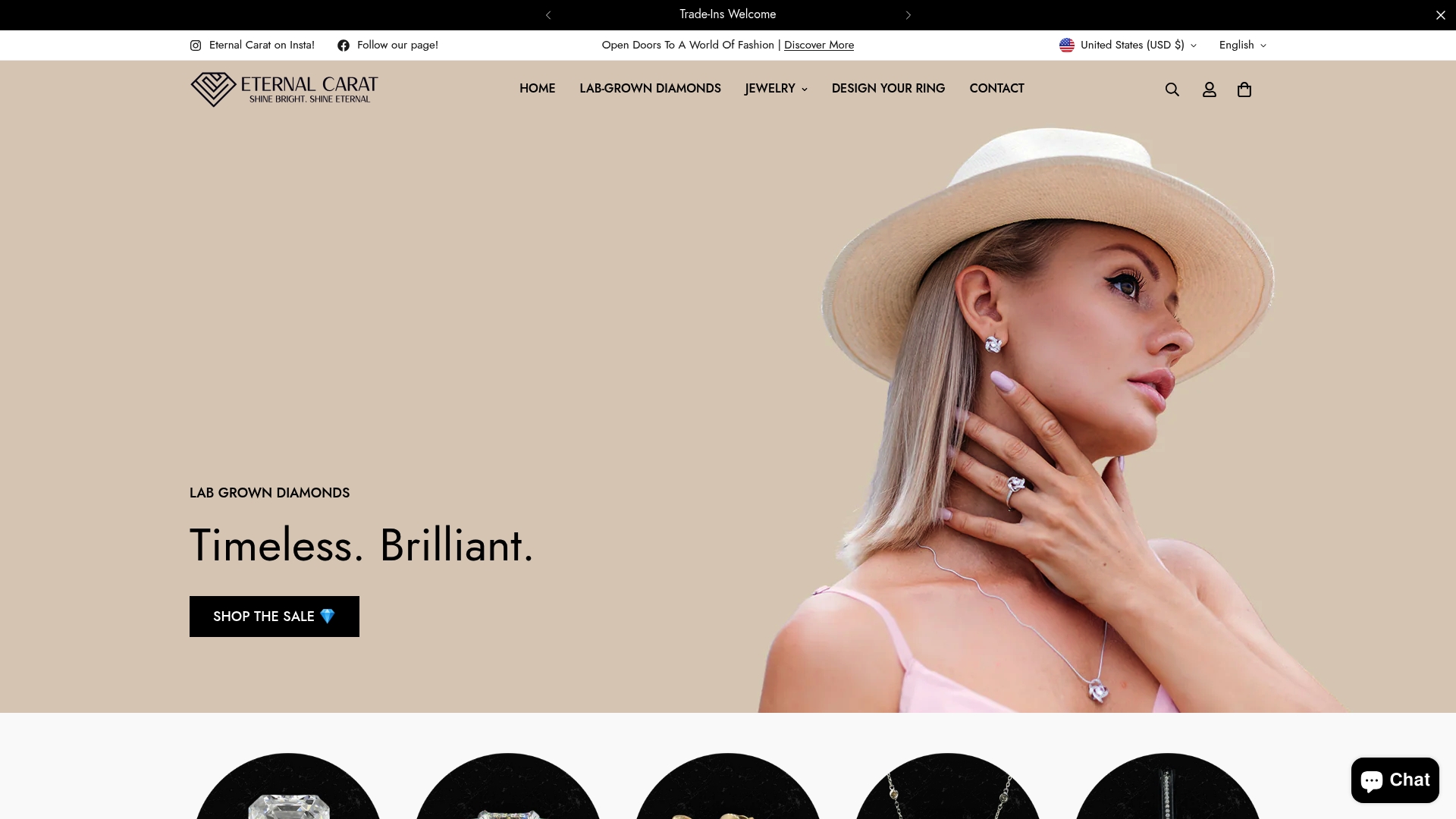
Experience personalized service through our custom jewelry design process, where expert artisans collaborate with you to create meaningful pieces. Explore our sustainable jewelry collection featuring engagement rings, pendants, and fine jewelry crafted from recycled metals and lab-grown gemstones. Schedule a private consultation at our secure Parker location to begin your sustainable luxury journey today.
FAQ
What certifications should I look for in sustainable jewelry?
Look for Fairmined, Responsible Jewellery Council (RJC), and independent gemological laboratory certifications that verify ethical sourcing and environmental standards. These certifications ensure respect for human rights, transparent supply chains, and measurable sustainability metrics throughout production.
Are lab-grown diamonds as valuable and beautiful as mined diamonds?
Lab-grown diamonds possess identical chemical, physical, and optical properties as mined diamonds, earning equivalent quality grades from gemological institutes. They match mined diamonds in brilliance, durability, and market recognition while offering environmental benefits and often better value per carat.
How can I ensure my customized sustainable jewelry matches my style and values?
Work closely with experienced designers through detailed consultations to select ethical materials and create meaningful design elements. Use the custom jewelry design process to visualize options, refine details, and ensure every aspect aligns with your aesthetic preferences and sustainability priorities.
What are practical ways to support sustainability after purchasing jewelry?
Use professional repair and maintenance services to extend your jewelry’s lifespan indefinitely, preventing premature replacement. Consider trade-in or upgrade programs that keep materials in circulation, supporting circular economy principles while maintaining your collection’s relevance and beauty.
Recommended
- Custom Jewelry Design Process: Creating Ethical Luxury – Eternal Carat
- Modern Jewelry Design Trends: Ethical Luxury Impact – Eternal Carat
- Sustainable Engagement Rings Explained: Ethical Brilliance – Eternal Carat
- Why Choose Lab-Grown Jewelry for Ethical Luxury – Eternal Carat
- Sustainable Swimwear Trends 2026: Eco Style Impact – Le Club Original


