

Choosing an engagement ring can feel overwhelming when luxury, ethics, and environmental impact all matter. Today’s Denver couples are redefining tradition by seeking rings that combine stunning beauty with sustainable engagement ring ideals like transparent sourcing and minimal ecological footprint. This guide helps you cut through common misconceptions and spot the hallmarks of truly responsible design, revealing how lab-grown diamonds and recycled metals offer the perfect blend of integrity, sophistication, and individual style.
Table of Contents
- Defining Sustainable Engagement Rings And Misconceptions
- Types Of Lab-Grown Diamonds And Their Creation
- Key Benefits: Eco-Friendly And Ethical Luxury
- Custom Design Possibilities For Modern Couples
- Financial Implications And Comparisons With Alternatives
- Risks, Common Mistakes, And Responsible Buying
Key Takeaways
| Point | Details |
|---|---|
| Sustainable Engagement Rings | These rings promote ethical sourcing, reduced environmental impact, and transparency in production processes, challenging traditional luxury norms. |
| Lab-Grown Diamonds | Advanced techniques create diamonds with identical properties to mined stones while significantly reducing environmental concerns and costs. |
| Financial Advantages | Sustainable engagement rings often cost 30-50% less than traditional options, providing better value and lower long-term expenses. |
| Informed Purchasing | Consumers should research their jeweler’s practices and demand transparency to ensure truly ethical and sustainable choices. |
Defining Sustainable Engagement Rings and Misconceptions
Engagement rings have evolved beyond mere symbols of commitment to represent broader values of environmental and social responsibility. Sustainable engagement rings are thoughtfully crafted pieces that prioritize ethical sourcing, minimal environmental impact, and transparent production processes. These rings challenge traditional jewelry manufacturing by integrating innovative approaches that respect both human communities and ecological systems.
Sustainability in engagement rings encompasses multiple critical dimensions:
- Ethical stone sourcing: Using conflict-free diamonds and gemstones
- Responsible metal procurement: Utilizing recycled or fair-trade precious metals
- Reduced carbon footprint: Minimizing environmental degradation during production
- Transparent supply chains: Ensuring accountability at every manufacturing stage
Common misconceptions about sustainable engagement rings often stem from limited understanding of their comprehensive impact. Many consumers mistakenly believe that sustainability equals sacrifice of beauty or quality. However, sustainable jewelry production models demonstrate that ethical choices can coexist with exceptional craftsmanship and aesthetic excellence.
The jewelry industry is experiencing a transformative shift, with lab-grown diamonds and recycled metals emerging as powerful alternatives to traditional mining practices. These innovations challenge long-held assumptions about luxury, proving that ethical brilliance can be both environmentally conscious and stunningly beautiful.
Pro tip: Research the specific sustainability practices of your jeweler, asking detailed questions about their sourcing, production methods, and environmental commitments before making a purchase.
Types of Lab-Grown Diamonds and Their Creation
Modern technology has revolutionized diamond production, offering lab-grown diamonds as a sophisticated alternative to traditional mined stones. Advanced laboratory diamond techniques have made it possible to create diamonds that are chemically, physically, and optically identical to their natural counterparts, challenging long-held perceptions about diamond origins.
Two primary methods dominate lab-grown diamond production:
-
High-Pressure, High-Temperature (HPHT) Method:
- Replicates Earth’s natural diamond formation conditions
- Uses extreme pressure and temperature
- Typically used for creating smaller, industrial-grade diamonds
-
Chemical Vapor Deposition (CVD) Method:
- Grows diamonds atom-by-atom in controlled chamber environments
- Lower pressure and temperature compared to HPHT
- Preferred for creating high-quality gemstone-grade diamonds
The scientific precision behind lab-grown diamonds is remarkable. In the CVD process, carbon gases are systematically broken down and deposited layer by layer onto a diamond seed, creating a crystal with identical properties to naturally mined diamonds. This method allows for unprecedented control over diamond formation, enabling jewelers to produce stones with exceptional clarity and color consistency.
Unlike traditional mining, lab-grown diamond production offers significant environmental advantages. These diamonds require substantially less ecological disruption, reducing water usage, land disturbance, and carbon emissions associated with traditional diamond extraction. The controlled laboratory environment ensures not just ethical production, but also remarkable precision in creating stunning, high-quality gemstones.
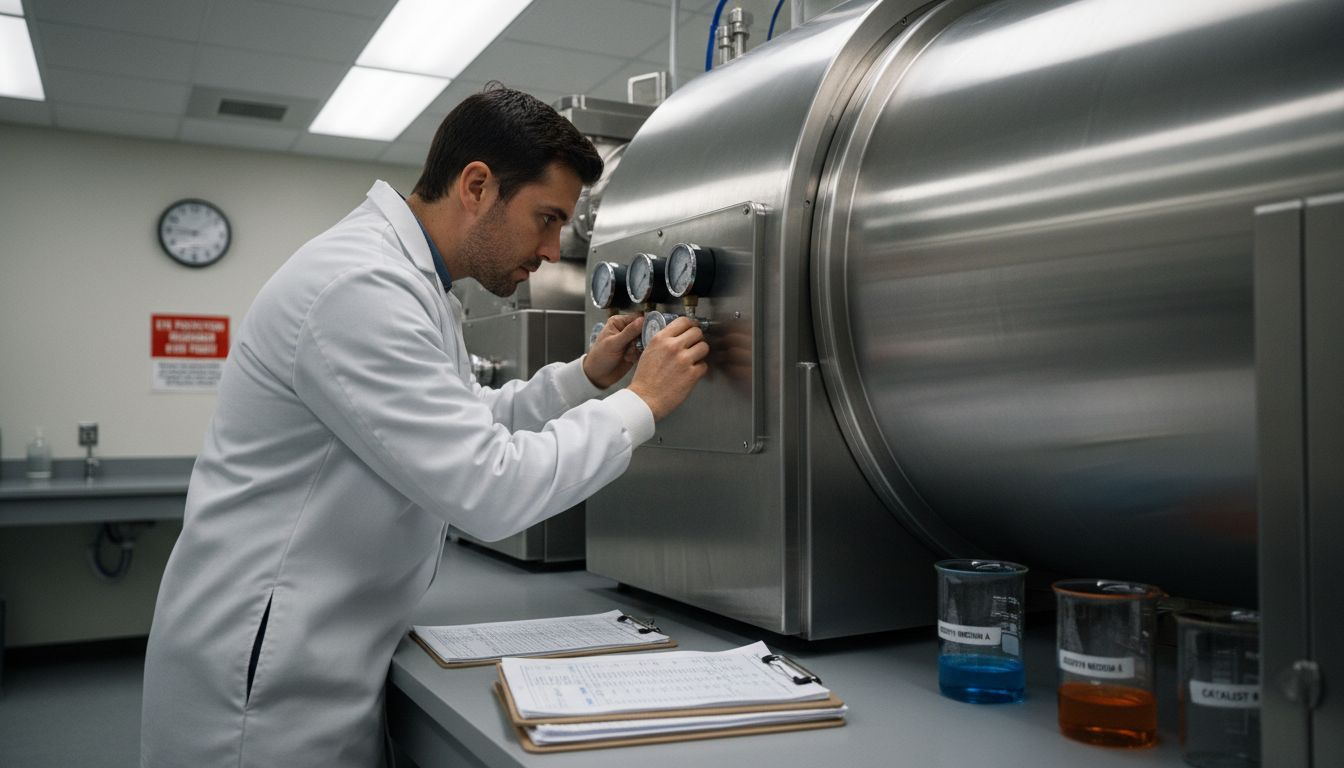
Here’s a comparative look at lab-grown and mined diamonds:
| Attribute | Lab-Grown Diamond | Mined Diamond |
|---|---|---|
| Environmental Impact | Minimal disruption | Significant land disturbance |
| Production Consistency | High color/clarity control | Natural variations |
| Cost to Consumer | 30-50% less expensive | Premium market pricing |
| Traceability | Fully traceable origins | Often unclear supply chain |
| Conflict Risk | No conflict concerns | Risk of unethical sourcing |
Pro tip: When selecting a lab-grown diamond, request a detailed certification that explains its specific growth method and verifies its quality characteristics.
Key Benefits: Eco-Friendly and Ethical Luxury
Engagement rings have transformed from traditional symbols of commitment to powerful statements of environmental consciousness and social responsibility. Sustainable engagement rings revolutionize luxury by offering couples a meaningful way to celebrate love while making a positive global impact.
The key benefits of eco-friendly engagement rings encompass multiple critical dimensions:
-
Environmental Conservation:
- Dramatically reduced carbon emissions
- Minimal ecological disruption
- Significantly lower water and land usage compared to traditional mining
-
Ethical Production:
- Elimination of conflict diamond concerns
- Transparent and traceable supply chains
- Support for fair labor practices
- Reduced human rights risks associated with traditional diamond extraction
Modern couples are increasingly recognizing that ethical luxury is not about compromise, but about making intelligent choices that align with their values. Lab-grown diamonds and recycled metals represent a sophisticated approach to jewelry, combining cutting-edge technology with responsible sourcing. These alternatives offer identical aesthetic and structural qualities to traditional mined stones, while providing a compelling narrative of environmental stewardship.
The economic and social implications of sustainable engagement rings extend far beyond individual purchases. By choosing ethically produced jewelry, consumers drive systemic change in the global jewelry industry, encouraging more brands to adopt responsible production methods and prioritize transparency.
Pro tip: When selecting an engagement ring, request a comprehensive sustainability report that details the origin, production method, and environmental impact of your chosen piece.
Custom Design Possibilities for Modern Couples
Today’s engagement rings are far more than traditional jewelry pieces—they are deeply personal expressions of individual love stories and shared values. Custom design options for couples have revolutionized how modern partners approach this significant symbol of commitment, transforming the ring selection process into a collaborative and meaningful journey.
Custom engagement ring design possibilities offer couples multiple creative avenues:
-
Symbolic Stone Selection:
- Choose lab-grown diamonds representing your unique relationship
- Incorporate birthstones or meaningful gemstones
- Select stones with specific color or clarity characteristics
-
Metalwork and Setting Innovations:
- Blend multiple metal types for unique textures
- Create intricate, personalized engraving details
- Design asymmetrical or non-traditional settings
- Incorporate family heirloom elements
Designing a custom engagement ring allows couples to move beyond standardized options, creating a piece that tells their distinctive narrative. Each design element—from the stone’s cut to the metalwork’s intricate details—becomes a deliberate choice reflecting personal aesthetics, shared memories, and individual values. This approach transforms the ring from a mere accessory into a profound representation of a couple’s unique connection.
The consultation process for custom engagement rings typically involves collaborative conversations with expert designers who can translate abstract concepts into tangible, breathtaking jewelry pieces. Modern technology, including 3D rendering and virtual design tools, enables couples to visualize and refine their vision with unprecedented precision, ensuring the final design perfectly captures their collective imagination.
Pro tip: Bring personal mementos, photographs, or inspiration pieces to your initial design consultation to help designers understand your aesthetic and emotional vision.
Financial Implications and Comparisons With Alternatives
Engagement ring investments have dramatically transformed, with sustainable options creating new financial paradigms for modern couples. Sustainable jewelry market dynamics reveal compelling economic advantages that challenge traditional purchasing assumptions.
Key financial considerations for sustainable engagement rings include:
-
Cost Comparisons:
- Lab-grown diamonds 30-50% less expensive than mined diamonds
- Reduced production costs
- Greater stone size potential for equivalent budget
- Lower long-term environmental maintenance expenses
-
Value Proposition Factors:
- Transparent pricing structures
- Ethical sourcing premiums
- Lower environmental impact
- Enhanced technological production methods
Consumers are increasingly recognizing that sustainable engagement rings represent more than an ethical choice—they are a sophisticated financial strategy. The traditional diamond market’s opaque pricing models are being disrupted by lab-grown and recycled alternatives that offer superior value, quality, and transparency. These options empower couples to make financially intelligent decisions without compromising aesthetic excellence or emotional significance.
The economic landscape of engagement rings is undergoing a fundamental restructuring. Sustainable options are no longer niche products but mainstream alternatives that provide measurable financial benefits. By selecting lab-grown diamonds and recycled metals, couples can optimize their investment, accessing higher-quality materials at more accessible price points while supporting responsible production practices.
The following table summarizes key financial and ethical advantages of sustainable engagement rings:
| Benefit Area | Sustainable Rings | Traditional Rings |
|---|---|---|
| Upfront Cost | Lower on average | Higher initial outlay |
| Ethical Value | Transparent sourcing | Sourcing often ambiguous |
| Long-Term Value | Reduces maintenance | Potential ethical risks |
| Market Trend | Growing mainstream | Facing increased scrutiny |
Pro tip: Request detailed cost breakdowns and value comparisons during your engagement ring consultation to fully understand the financial advantages of sustainable options.
Risks, Common Mistakes, and Responsible Buying
Navigating the sustainable engagement ring market requires careful consideration and informed decision-making. Responsible buying strategies have become increasingly critical as consumers seek authentic ethical alternatives in the jewelry marketplace.
Common risks and potential pitfalls include:
-
Marketing Deception Risks:
- Misleading sustainability claims
- Greenwashing techniques
- Insufficient supply chain transparency
- Exaggerated environmental credentials
-
Technical Verification Challenges:
- Distinguishing lab-grown from simulant stones
- Understanding certification nuances
- Verifying true environmental impact
- Evaluating third-party documentation
Sustainable engagement ring purchases demand more than surface-level understanding. Consumers must develop a critical eye toward marketing narratives, demanding comprehensive evidence of ethical production. This means investigating not just the final product, but the entire journey of material sourcing, manufacturing processes, and labor practices that contribute to a truly sustainable piece of jewelry.
The most responsible approach involves comprehensive research, direct communication with jewelers, and a willingness to ask detailed questions about material origins, production techniques, and environmental certifications. By maintaining a skeptical yet informed perspective, couples can make purchasing decisions that align with their ethical values while avoiding common misconceptions and potential greenwashing tactics.
Pro tip: Request comprehensive documentation, including detailed environmental impact reports and full supply chain transparency, before finalizing your sustainable engagement ring purchase.
Discover Your Perfect Sustainable Engagement Ring with Eternal Carat
Choosing a sustainable engagement ring means embracing ethical brilliance without sacrificing beauty or quality. If you have been inspired by the power of lab-grown diamonds, responsible metal sourcing, and custom design possibilities discussed in the article, Eternal Carat is uniquely positioned to bring your vision to life. Our commitment to ethical luxury ensures you can celebrate your love while supporting environmental conservation and transparent craftsmanship.
Experience the difference with a personalized consultation at our secure Parker, Colorado location or explore our extensive collection online. Collaborate with expert designers to craft a custom piece that truly reflects your values and style. Take the next step toward an eco-friendly ring that shines with both beauty and integrity by visiting Eternal Carat today. Learn more about our custom design & fine jewelry options and how lab-grown diamonds provide an ethical alternative aligned with the principles shared in “Sustainable Engagement Rings Explained: Ethical Brilliance.” Make a wise and meaningful choice now.
Frequently Asked Questions
What are sustainable engagement rings?
Sustainable engagement rings are ethically crafted pieces that prioritize responsible sourcing, minimal environmental impact, and transparent production processes while still offering aesthetic beauty and quality.
How are lab-grown diamonds different from mined diamonds?
Lab-grown diamonds are created in controlled laboratory environments using advanced techniques like HPHT and CVD, making them chemically and physically identical to mined diamonds but with significantly less environmental impact and at a lower cost.
What are the benefits of choosing a sustainable engagement ring?
Choosing a sustainable engagement ring offers multiple advantages, including reduced carbon emissions, ethical production practices, support for fair labor, and the elimination of conflict diamond concerns, all while providing exceptional craftsmanship and beauty.
How can I ensure that my engagement ring is truly sustainable?
To verify a ring’s sustainability, research the jeweler’s sourcing practices, request detailed documentation on the ring’s materials and production processes, and seek information on environmental impact and supply chain transparency.


