

Most jewelry shoppers believe recycled metals alone make a piece sustainable, yet sustainable jewelry involves recycled metals, ethically sourced stones, and environmentally conscious production. The jewelry industry’s environmental footprint extends far beyond material sourcing, encompassing energy use, labor practices, and carbon emissions throughout manufacturing. Lab-grown diamonds represent a breakthrough in sustainable luxury, offering conflict-free brilliance with dramatically lower environmental impact than mined stones. This guide explores what truly defines sustainable jewelry options, focusing on lab-grown diamonds and custom designs that align with eco-conscious values for engagement rings and special occasions.
Table of Contents
- Key takeaways
- Understanding sustainable jewelry: key concepts and materials
- Lab-grown diamonds: a sustainable alternative to mined stones
- Comparing lab-grown and natural diamonds: sustainability and quality
- Custom sustainable jewelry: designing eco-friendly engagement and special occasion pieces
- Explore sustainable jewelry options at Eternal Carat
- Frequently asked questions
Key Takeaways
| Point | Details |
|---|---|
| Lab grown diamonds greener | Lab grown diamonds offer comparable quality with a substantially lower environmental impact than mined stones. |
| Recycled metals core | Using refined recycled gold, silver, and platinum minimizes energy use and avoids mining damage. |
| Conflict free sourcing | Certified conflict free gemstones ensure ethical origins and protect workers. |
| Custom designs reduce waste | Custom designs can minimize waste by tailoring pieces to needed materials and sizes. |
| Transparent supply chains | Open provenance tracing lets shoppers verify origin and labor conditions from source to finish. |
Understanding sustainable jewelry: key concepts and materials
Sustainable jewelry represents a holistic approach to creating beautiful pieces while minimizing environmental harm and supporting ethical labor practices. The concept extends beyond simply using recycled materials. It encompasses the entire lifecycle of a piece, from sourcing raw materials through manufacturing processes to final delivery.
Recycled metals form the foundation of many eco-friendly jewelry pieces. Gold, silver, and platinum can be refined and reused indefinitely without losing quality or luster. Using recycled precious metals eliminates the need for destructive mining operations that displace communities and damage ecosystems. The refining process requires significantly less energy than extracting and processing newly mined metals.
Ethical gemstone sourcing prevents financing of conflicts and ensures fair wages for workers. Conflict-free diamonds and gemstones come with certification proving their origin and the conditions under which they were obtained. This transparency protects vulnerable populations in mining regions from exploitation and violence.
Key sustainable jewelry principles include:
- Energy-efficient manufacturing that reduces carbon emissions during production
- Low-waste techniques that minimize material loss and chemical pollution
- Transparent supply chains allowing consumers to trace materials from origin to finished piece
- Fair labor practices ensuring safe working conditions and living wages
- Minimal packaging using recycled or biodegradable materials
These factors work together to create jewelry that reflects both beauty and responsibility. When you choose pieces made with these principles, you support an industry shift toward practices that honor both people and planet. The sustainable jewelry ethical luxury guide provides deeper insight into how these elements combine to create truly eco-friendly options.
Lab-grown diamonds: a sustainable alternative to mined stones
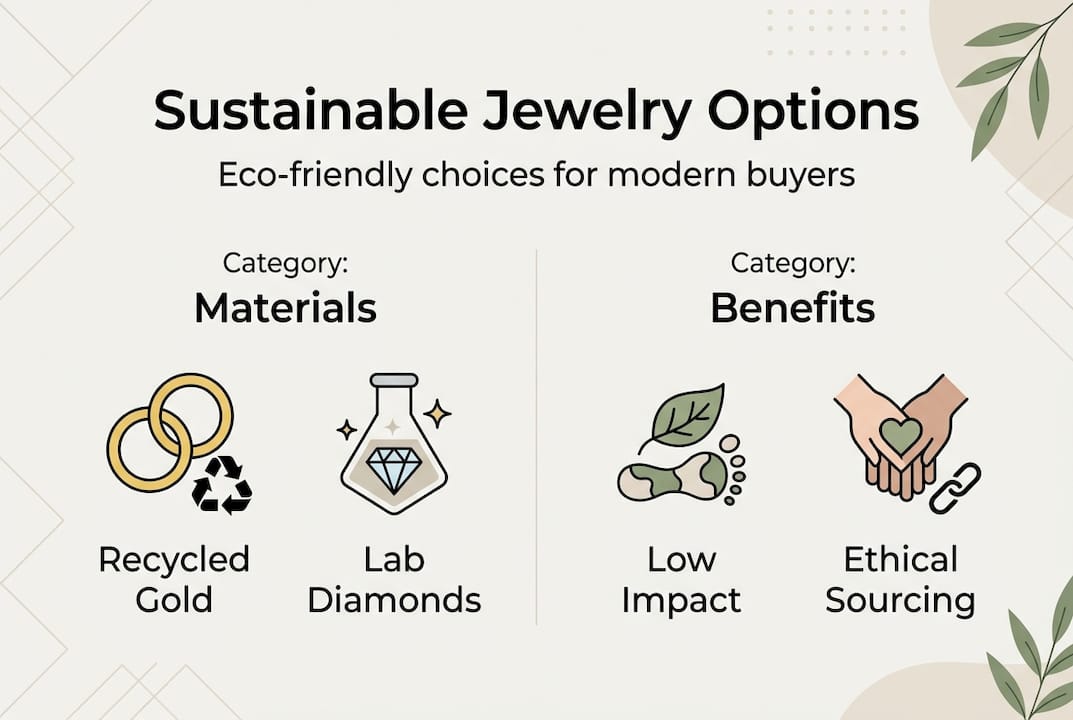
Lab-grown diamonds have transformed the sustainable jewelry landscape by offering identical quality to natural diamonds with a fraction of the environmental cost. These diamonds form in controlled laboratory environments using advanced technology that replicates the natural diamond creation process. The result is chemically, physically, and optically identical to mined diamonds.
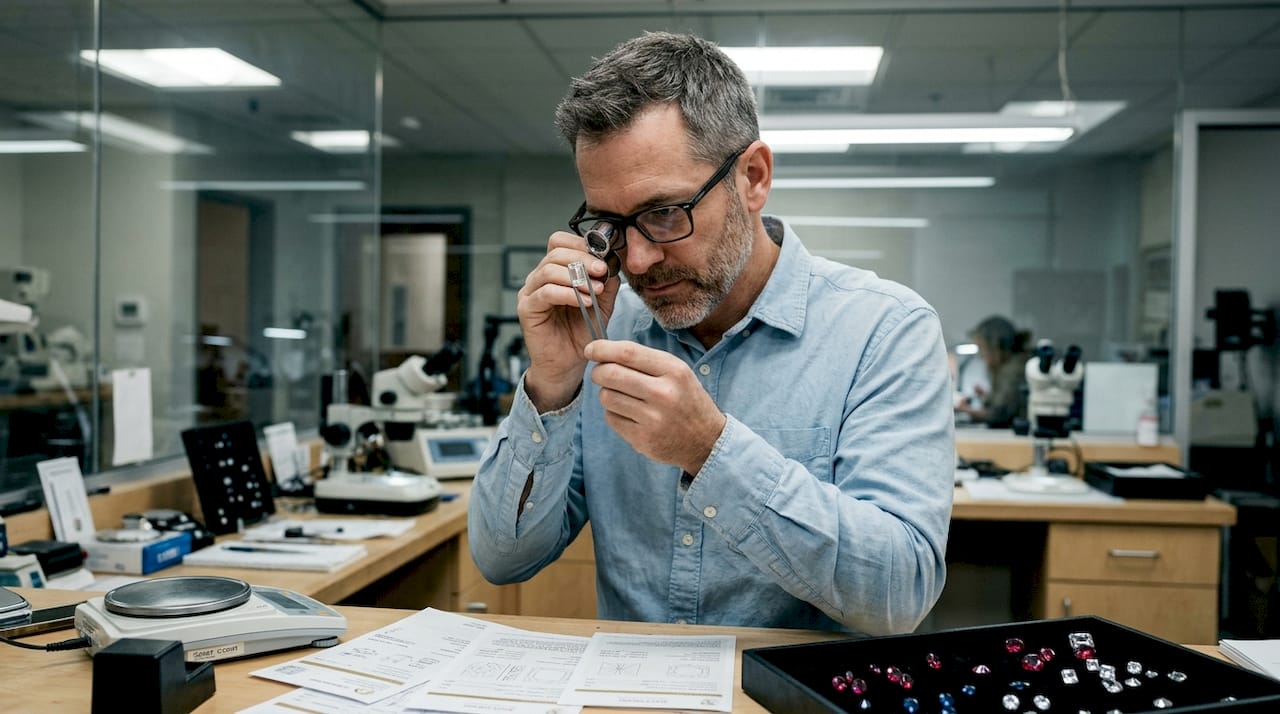
The environmental advantages are substantial. Lab-grown diamonds have a far smaller carbon footprint and avoid the ethical issues tied to mining. Traditional diamond mining requires moving massive amounts of earth, consuming enormous quantities of water, and generating significant carbon emissions. A single carat of mined diamond can require moving over 250 tons of earth. Lab-grown production eliminates this landscape destruction entirely.
Water conservation represents another critical benefit. Mining operations consume millions of gallons of water annually, often in regions already facing water scarcity. Lab-grown diamond facilities use closed-loop water systems that recycle and reuse water throughout the process, dramatically reducing consumption.
Ethical considerations make lab-grown diamonds particularly appealing:
- Guaranteed conflict-free origin with complete supply chain transparency
- Fair labor practices in regulated manufacturing facilities
- No displacement of communities or destruction of habitats
- Elimination of dangerous underground mining conditions
- Support for technological innovation rather than extractive industries
Quality remains uncompromised. Lab-grown diamonds receive the same grading from gemological institutes as natural diamonds. They display identical brilliance, fire, and scintillation. Even expert gemologists require specialized equipment to distinguish lab-grown from mined diamonds.
Pro Tip: Always request certification from recognized gemological laboratories when purchasing lab-grown diamonds to verify authenticity and quality grades. Reputable certifications include IGI, GIA, and GCAL reports.
Market trends reflect growing consumer awareness. Consumers increasingly choose lab-grown diamonds for ethical luxury and environmental responsibility. Younger buyers particularly value the transparency and sustainability that lab-grown diamonds provide, driving industry growth and innovation in production methods.
Comparing lab-grown and natural diamonds: sustainability and quality
Understanding the concrete differences between lab-grown and natural diamonds helps you make informed decisions aligned with your values and budget. The comparison reveals significant variations in environmental impact, ethical considerations, and economic factors while maintaining equivalent quality standards.
| Factor | Lab-Grown Diamonds | Natural Diamonds |
|---|---|---|
| Carbon Footprint | 6 pounds CO2 per carat | 125 pounds CO2 per carat |
| Water Usage | Minimal with recycling | 126 gallons per carat |
| Land Disruption | None | 250+ tons earth moved per carat |
| Conflict-Free Guarantee | 100% verified | Requires certification |
| Price Point | 60-80% less expensive | Premium pricing |
| Quality/Appearance | Identical to natural | Identical to lab-grown |
| Resale Value | Lower secondary market | Higher secondary market |
| Production Time | 6-10 weeks | Billions of years |
Carbon emissions present the most dramatic contrast. Natural diamond mining generates over 20 times more carbon dioxide per carat than lab-grown production. This difference stems from heavy machinery operation, transportation of materials, and energy-intensive processing of mined ore. Lab-grown facilities increasingly use renewable energy sources, further reducing their carbon impact.
Ethical sourcing challenges persist in natural diamond supply chains despite certification programs. The Kimberley Process, designed to prevent conflict diamonds from entering markets, has documented gaps in enforcement. Lab-grown diamonds eliminate this uncertainty entirely through transparent production in regulated facilities.
Price differences make luxury accessible to more consumers. Lab-grown diamonds typically cost 60-80% less than comparable natural stones, allowing buyers to choose larger or higher-quality diamonds within the same budget. This value proposition appeals particularly to couples prioritizing size or quality for engagement rings.
Visual and structural properties remain indistinguishable. Both diamond types score 10 on the Mohs hardness scale. Both refract light identically, producing the same sparkle and fire. Both consist of pure carbon in the same crystal structure. Comprehensive comparisons highlight lab-grown diamonds as superior for sustainability without compromising quality.
Pro Tip: Consider what matters most to you personally when choosing between lab-grown and natural diamonds. If sustainability and ethical sourcing are priorities, lab-grown offers clear advantages. If rarity and traditional value matter more, natural diamonds may align better with your preferences.
The lab-grown vs natural diamonds comparison provides additional detail on specific quality metrics and certification standards for both diamond types.
Custom sustainable jewelry: designing eco-friendly engagement and special occasion pieces
Custom jewelry design amplifies sustainability benefits by creating made-to-order pieces that eliminate overproduction waste and allow precise material selection. This approach transforms sustainable jewelry from a passive purchase into an active collaboration that reflects your specific values and aesthetic preferences.
The custom design process for sustainable jewelry follows these steps:
- Consultation to discuss design vision, sustainability priorities, and budget parameters
- Material selection focusing on recycled metals and lab-grown or ethically sourced gemstones
- Design development with sketches or digital renderings showing the piece from multiple angles
- Approval and refinement incorporating your feedback on proportions, settings, and details
- Production using eco-conscious manufacturing techniques and quality craftsmanship
- Final inspection and delivery with certification documentation for materials used
Made-to-order production offers distinct advantages over mass-produced jewelry. Manufacturers create inventory pieces in bulk, often overproducing to ensure stock availability. This results in excess inventory that may eventually be melted down or discarded, wasting materials and energy. Custom pieces use exactly the materials needed for your specific design, eliminating this waste.
Sustainable material choices for custom jewelry include:
- Recycled 14k or 18k gold refined from existing jewelry and industrial sources
- Recycled platinum and palladium offering durability and hypoallergenic properties
- Lab-grown diamonds in any cut, size, or quality grade you desire
- Ethically sourced colored gemstones with verified origin documentation
- Reclaimed vintage stones repurposed from estate jewelry pieces
Customization supports ethical luxury by giving you complete transparency into your jewelry’s origin story. You know exactly where materials came from and how artisans crafted your piece. This traceability provides confidence that your jewelry aligns with your environmental and social values.
Engagement rings particularly benefit from custom sustainable design. These pieces carry deep personal meaning and will be worn daily for decades. Creating a ring specifically for your partner using sustainable sourcing for one-of-a-kind meaningful pieces ensures the symbol of your commitment reflects your shared values. The lab-grown diamonds buying guide helps you understand quality factors when selecting stones for custom designs.
Pro Tip: Work closely with your jeweler throughout the design process to explore sustainable options you might not have considered. Experienced designers can suggest alternatives that enhance both sustainability and beauty, such as using smaller accent stones or innovative settings that require less metal.
Current trends showcase stunning possibilities in sustainable custom jewelry. The best lab-grown diamond rings 2026 demonstrates how contemporary designs incorporate eco-friendly materials without compromising on style or sophistication.
Explore sustainable jewelry options at Eternal Carat
Ready to find jewelry that matches your values? Eternal Carat specializes in lab-grown diamond jewelry and custom engagement rings designed for eco-conscious consumers who refuse to compromise on quality or ethics. Our Parker, Colorado location offers private consultations where you can explore sustainable options and design pieces that tell your unique story.
Our collection features certified lab-grown diamonds in every cut and quality grade, set in recycled precious metals. Whether you’re searching for the perfect engagement ring or creating a custom piece for another special occasion, our team provides expert guidance on sustainable choices. We believe luxury and responsibility belong together. Explore our lab-grown diamond jewelry and custom rings to discover how sustainable options can exceed your expectations for beauty and brilliance. Our lab-grown marquise diamond earrings showcase the exceptional quality available in eco-friendly fine jewelry.
Frequently asked questions
What is a sustainable jewelry option?
Sustainable jewelry options use recycled metals, ethically sourced or lab-grown gemstones, and environmentally conscious production methods. These pieces minimize environmental harm through energy-efficient manufacturing and transparent supply chains. The goal is creating beautiful jewelry that respects both people and planet throughout the entire production process.
Are lab-grown diamonds truly eco-friendly?
Yes, lab-grown diamonds have significantly lower environmental impact than mined stones. They produce roughly 6 pounds of carbon emissions per carat compared to 125 pounds for mined diamonds. Lab-grown production eliminates land disruption, reduces water consumption dramatically, and guarantees conflict-free origin. The controlled manufacturing environment allows for renewable energy use and waste reduction impossible in traditional mining.
How can I ensure the jewelry I buy is sustainable?
Look for certifications verifying recycled metal content and lab-grown diamond authenticity from recognized gemological laboratories. Purchase from jewelers who provide transparent information about their supply chains and sourcing practices. Ask specific questions about where materials originate and how pieces are manufactured. Reputable sustainable jewelers willingly share this information and provide documentation supporting their environmental and ethical claims.
What are the benefits of custom sustainable jewelry?
Custom pieces eliminate overproduction waste by creating exactly what you need without excess inventory. You gain complete control over material selection, ensuring every component meets your sustainability standards. Made-to-order jewelry allows you to create meaningful designs that reflect your personal values and story. The process provides transparency into your jewelry’s origin and craftsmanship, building confidence that your piece truly aligns with eco-conscious principles.
Recommended
- Sustainable jewelry explained: ethical luxury guide 2026 – Eternal Carat
- Sustainable jewelry shopping guide Denver 2026 – Eternal Carat
- Sustainable Engagement Rings Explained: Ethical Brilliance – Eternal Carat
- Ethical sourcing in jewelry: 2026 guide for buyers – Eternal Carat
- Guide to Sustainable Fabrics for Conscious Creators - fabric fabric


