

You’ve probably heard that choosing an eco-friendly engagement ring means settling for less sparkle or style. That’s a myth. Today’s sustainable rings combine breathtaking beauty with genuine environmental responsibility, and Denver couples are leading this shift. Whether you’re drawn to lab-grown diamonds, recycled metals, or conflict-free gemstones, this guide will show you exactly what makes a ring truly eco-friendly and where to find one that reflects both your values and your vision for luxury.
Table of Contents
- What makes an engagement ring eco-friendly?
- Lab-grown diamonds: Are they the greener choice?
- Eco-friendly metals and ethical gemstones
- Denver’s best local and national eco-friendly jewelers
- Key questions and certifications when ring shopping
- Explore sustainable luxury with Eternal Carat
- Frequently asked questions
Key Takeaways
| Point | Details |
|---|---|
| Lab diamonds reduce impact | Choosing lab-grown diamonds cuts carbon emissions and saves water compared to mined stones. |
| Recycled metals matter | Certified recycled gold or platinum ensures minimal environmental disturbance and ethical sourcing. |
| Certifications guide choices | Look for Kimberley Process, Fairmined, and RJC certifications to confirm eco-friendly sourcing. |
| Local and ethical shopping | Denver’s top jewelers offer custom, sustainable rings with verified ethical practices. |
What makes an engagement ring eco-friendly?
An eco-friendly engagement ring minimizes environmental harm while ensuring fair treatment of workers throughout the supply chain. The distinction between eco-friendly and ethical matters: eco-friendly focuses on reducing carbon footprints, water use, and land disruption, while ethical emphasizes fair labor and conflict-free sourcing. The best rings deliver both.
The materials define sustainability. Eco-friendly engagement rings primarily use lab-grown diamonds, recycled precious metals, and ethically sourced gemstones to minimize environmental impact. Here’s what to look for:
- Lab-grown diamonds: Chemically identical to mined diamonds but created in controlled labs, avoiding mining’s destructive footprint
- Recycled precious metals: Gold, platinum, and silver reclaimed from existing jewelry or industrial sources
- Conflict-free gemstones: Stones certified through programs like the Kimberley Process or sourced from traceable mines
- Fairmined or Fairtrade metals: Certifications guaranteeing fair wages and safe working conditions for miners
These choices matter because traditional mining devastates ecosystems, pollutes water sources, and often exploits vulnerable workers. Recycled metals eliminate the need for new extraction entirely. Lab-grown diamonds sidestep the habitat destruction and carbon emissions of open-pit mines. When you choose sustainable engagement rings explained through proper sourcing, you’re voting with your wallet for a cleaner industry.
Pro Tip: Always request documentation proving the origin of every stone and metal in your ring. Reputable jewelers provide certificates from independent labs and sourcing records without hesitation.
Lab-grown diamonds: Are they the greener choice?
Lab-grown diamonds have transformed the engagement ring market, but understanding their production methods helps you make informed choices. Two primary techniques create these stones: HPHT (high pressure, high temperature) mimics the natural conditions deep in the earth, while CVD (chemical vapor deposition) builds diamonds layer by layer in a plasma chamber. Lab-grown diamonds are chemically identical to mined diamonds but produced in controlled environments, avoiding mining’s land disruption and water pollution.
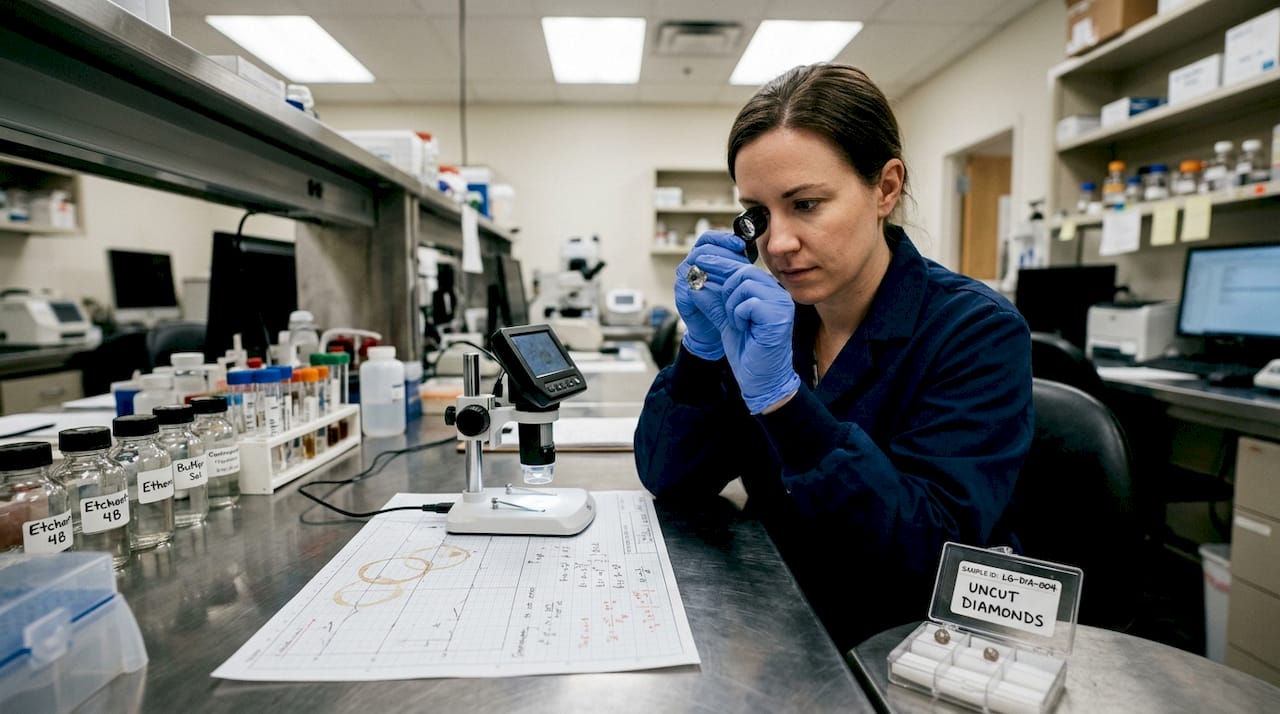
The environmental data tells a compelling story:
| Impact Category | Lab-Grown Diamonds | Mined Diamonds | Reduction |
|---|---|---|---|
| Carbon footprint (kg CO2/carat) | 6-50 | 108-160 | 80-97% |
| Water use (gallons/carat) | 18 | 126 | 85% |
| Land disturbance | None | Significant | 100% |
| Energy source dependency | High | Moderate | Varies |
Lab-grown diamonds have 80-97% lower carbon footprint and use 85% less water than their mined counterparts. The catch? Energy source matters enormously. Labs powered by renewable energy achieve the lowest footprints, while those relying on fossil fuels may produce higher emissions. Still, even fossil-fuel-powered labs avoid mining’s habitat destruction and toxic runoff.
Lab-grown diamonds eliminate the need for open-pit mining, which can displace entire ecosystems and contaminate groundwater for generations.
To verify you’re buying a genuinely green lab diamond, follow these steps:
- Ask about the lab’s energy sources and whether they use renewable power
- Request certification from GIA, IGI, or another independent gemological institute
- Confirm the diamond is graded using the same 4Cs standards as mined stones
- Check if the retailer provides a sustainability report or carbon offset program
- Compare prices across multiple certified sellers to ensure fair market value
For Denver couples exploring lab-created diamonds advantages, the local market offers excellent options. Understanding lab-grown diamonds sustainability and how lab-grown diamonds are made empowers you to ask the right questions and spot greenwashing.
Eco-friendly metals and ethical gemstones
Your ring’s band and setting deserve as much scrutiny as the center stone. Recycled metals like gold and platinum reduce the need for new mining, cutting carbon emissions and environmental harm significantly. Fairmined and Fairtrade certifications ensure ethical sourcing by guaranteeing fair wages, safe conditions, and community investment at mining sites.
When evaluating metals and colored gemstones, look for these trusted certifications:
- Fairmined: Guarantees artisanal miners receive fair prices and work in safe conditions
- Fairtrade Gold: Similar to Fairmined but with additional community development requirements
- Responsible Jewellery Council: Industry-wide standards for ethical practices across the supply chain
- Kimberley Process: Prevents conflict diamonds from entering the legitimate market
- GIA and IGI: Independent grading for both natural and lab-grown stones
Key certifications include Kimberley Process, Fairmined/Fairtrade, and Responsible Jewellery Council for comprehensive ethical coverage. For colored gemstones, consider Montana sapphires, which are mined domestically with stricter environmental regulations, or lab-created sapphires and emeralds that eliminate mining entirely.
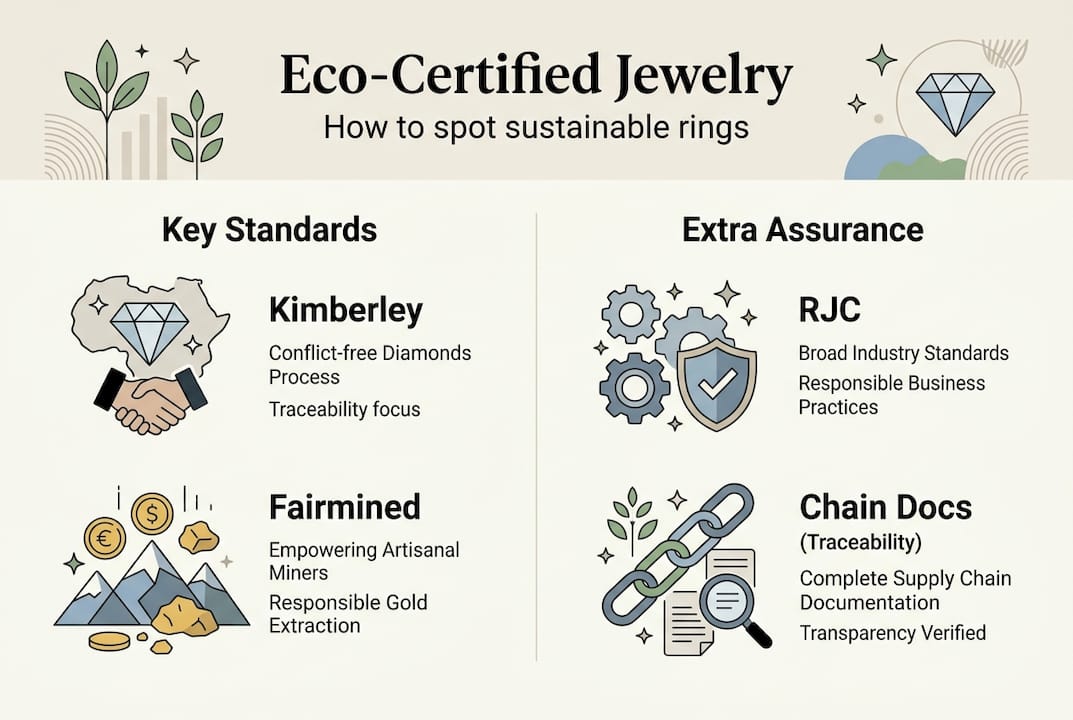
Chain of custody documentation proves your gemstone’s journey from source to setting. Reputable jewelers maintain detailed records showing each hand the stone passed through, including cutting, polishing, and setting. This transparency prevents conflict stones from slipping into the supply chain and ensures workers received fair compensation.
Pro Tip: When shopping for sustainable jewelry shopping in Denver, ask specifically about the percentage of recycled content in your metal. Some jewelers blend recycled and newly mined metals, which dilutes the environmental benefit. Understanding lab-grown vs natural diamonds helps you weigh all your options.
Denver’s best local and national eco-friendly jewelers
Denver’s jewelry scene offers exceptional options for eco-conscious couples, from national retailers with local presence to homegrown artisans. In Denver metro, Brilliant Earth store at 100 Fillmore St. offers ethically sourced lab-grown/natural diamonds and recycled gold, while local options like Anueva Jewelry, Kate Maller Jewelry, and Bohemi provide handcrafted alternatives.
| Jeweler | Materials | Scope | Specialties | Certifications |
|---|---|---|---|---|
| Brilliant Earth | Lab-grown, recycled metals | National (Denver store) | Wide selection, custom design | Kimberley Process, SCS-007 |
| Anueva Jewelry | Recycled metals, Montana sapphires | Local (Denver) | Vintage-inspired, handmade | Recycled metals certified |
| Kate Maller | Recycled gold, ethical stones | Local (Colorado) | Custom, nature-inspired | Fairmined available |
| Bohemi | Lab-grown, conflict-free | Local (Denver) | Modern minimalist designs | Kimberley Process |
Brilliant Earth’s Denver location at 100 Fillmore Street provides hands-on consultations with gemologists who can explain sourcing for every piece. Their SCS-007 certification verifies sustainability claims through third-party audits. Anueva Jewelry specializes in vintage aesthetics using exclusively recycled metals and domestically sourced Montana sapphires, perfect for couples seeking one-of-a-kind pieces with lower environmental impact.
When visiting these jewelers, expect detailed conversations about sourcing. Credible retailers eagerly share:
- Complete provenance documentation for center stones and accent gems
- Percentage of recycled content in metal alloys
- Lab certifications and grading reports
- Warranty and resizing policies for sustainable materials
- Customization options that maintain ethical standards
Red flags include vague answers about sourcing, reluctance to provide certifications, or claims that seem too good to be true. If a jeweler can’t explain where their diamonds come from or dismisses your sustainability questions, walk away. For those exploring best lab-grown diamond rings, Denver’s market provides ample choices without compromising on ethics or beauty.
Key questions and certifications when ring shopping
Armed with knowledge about materials and local options, you need a practical checklist for every jeweler interaction. These questions cut through marketing language and reveal genuine commitment to sustainability:
- What percentage of your metals comes from recycled sources, and can you provide documentation?
- Are your lab-grown diamonds produced using renewable energy, and which labs do you source from?
- Which independent certifications verify your ethical claims (Fairmined, Kimberley Process, RJC)?
- Can you provide the complete chain of custody for this specific stone?
- What happens to stones or metals I trade in, and do you offer recycling programs?
- Do you offer transparency reports or third-party audits of your supply chain?
- How do you verify that colored gemstones are conflict-free and ethically mined?
Key certifications include Kimberley Process, Fairmined/Fairtrade, Responsible Jewellery Council, and GIA/IGI for grading lab-grown diamonds. Each serves a distinct purpose. The Kimberley Process prevents conflict diamonds but doesn’t address environmental impact. Fairmined and Fairtrade focus on fair labor and community development at mining sites. The Responsible Jewellery Council sets industry-wide ethical standards. GIA and IGI provide independent grading that confirms a lab-grown diamond matches its claimed quality.
Comparing certifications requires understanding their scope. A ring with Fairmined gold and a GIA-certified lab-grown diamond offers comprehensive ethical coverage: fair labor for the metal and verified quality for the stone. A ring with only Kimberley Process certification covers conflict-free sourcing but says nothing about environmental practices or lab energy sources.
Most shoppers overlook asking about the jeweler’s own practices. Does the store use sustainable packaging? Do they offset shipping emissions? Can they resize or repair your ring using the same ethical materials? These details matter for long-term sustainability. Understanding why invest in lab diamonds and lab diamonds vs moissanite helps you evaluate alternatives with confidence.
Explore sustainable luxury with Eternal Carat
You now understand what makes engagement rings truly eco-friendly and where to find them in Denver. Ready to turn knowledge into action? We specialize in certified lab-grown diamonds and recycled precious metals that deliver both ethical integrity and breathtaking beauty. Every piece in our collection meets rigorous sustainability standards without compromising the luxury you deserve.

Our custom design services let you create a ring that perfectly reflects your values and vision. Working from our Parker location, we guide Denver couples through every decision, from selecting a lab-grown diamond produced with renewable energy to choosing recycled platinum or Fairmined gold for your setting. We provide complete documentation for every stone and metal, so you know exactly what you’re wearing and the positive impact you’re making.
Whether you’re exploring custom lab-grown diamond rings or considering complementary pieces like our 14k yellow gold lab-grown earrings, we’re here to make sustainable luxury accessible. Schedule a private consultation to see how eco-friendly choices create rings as stunning as any mined alternative.
Frequently asked questions
Are lab-grown diamonds really better for the environment?
Lab-grown diamonds have 80-97% lower carbon footprint and use 85% less water than mined diamonds, especially when produced with renewable energy. They eliminate land disruption entirely.
What should I ask my jeweler about eco-friendly rings?
Ask about diamond and metal sourcing, certifications like Fairmined or Kimberley Process, and whether they use recycled or lab-grown materials. Request complete documentation for every component.
Can I find certified eco-friendly jewelers in Denver?
Yes, Denver offers Brilliant Earth, Anueva Jewelry, Kate Maller Jewelry, and Bohemi, all focusing on sustainable practices. Each provides different specialties from vintage designs to modern minimalism.
Is recycled gold really sustainable?
Recycled gold reduces the need for new mining, cutting emissions and environmental harm significantly. It requires no land disturbance and uses far less energy than extracting new gold from ore.


