

Designing a custom engagement ring or luxury jewelry piece should feel exciting, not overwhelming. Yet for many Denver couples, the process quickly becomes a maze of decisions: which diamond, which setting, which jeweler, and how much to spend. With so many options and so much emotional weight riding on the outcome, it’s easy to second-guess every choice. This checklist cuts through that noise. Whether you’re drawn to the ethical elegance of lab-grown diamonds or weighing every detail of a bespoke design, these expert-vetted steps will guide you from first idea to finished piece with clarity and confidence.
Table of Contents
- What to define first: vision, budget, and must-haves
- Choosing your diamond: lab-grown vs. natural for custom pieces
- Key design choices: settings, metals, and lifestyle considerations
- The step-by-step custom jewelry process: from CAD design to delivery
- Ethics, certifications, and aftercare: the responsible luxury checklist
- The overlooked reality: what truly makes a custom piece stand out in Denver
- Ready to design your dream piece?
- Frequently asked questions
Key Takeaways
| Point | Details |
|---|---|
| Clarify vision and budget | Defining your style, priorities, and budget up front makes every other custom jewelry decision easier. |
| Compare diamond options | Lab-grown diamonds offer ethical, value-focused luxury for custom pieces, while natural stones excel for investment. |
| Prioritize practical design | Choose settings and metals that fit your lifestyle and will stand the test of time. |
| Follow a proven process | Expect multiple steps, from CAD design through aftercare, and use local Denver expertise to minimize risks. |
| Don’t skip certifications | Always verify ethical sourcing and diamond verification to protect your investment. |
What to define first: vision, budget, and must-haves
Before you speak to any jeweler, get clear on what you actually want. The custom engagement ring process begins with a consultation focused on vision, budget, and inspiration, and arriving unprepared wastes both time and money. Start by defining your aesthetic. Are you drawn to clean, modern lines? Vintage filigree? Bold geometric shapes? Knowing your style narrows the field immediately.
Budget clarity is equally important. The center stone typically accounts for 50 to 70 percent of the total cost, so your diamond choice will shape every other decision. Set a realistic number before you fall in love with a stone that blows your budget. Use our step-by-step jewelry design guide to map out how each cost layer builds on the last.
Next, identify any symbolic elements you want to include. Birthstones, heirloom metals, or meaningful engravings all add depth to a piece. Then separate your absolute must-haves from your nice-to-haves:
- Must-haves: stone shape, metal type, setting style, budget ceiling
- Nice-to-haves: side stones, engraving, specific finish, unique prong details
- Symbolic additions: family heirloom elements, birthstone accents, custom inscription
This simple split prevents scope creep and keeps your design focused. Our custom jewelry design guide walks through how to document these preferences before your first appointment.
Pro Tip: For couples, involve both partners early. Combining visions before the first jeweler meeting prevents costly design revisions later and makes the result feel genuinely shared.
Choosing your diamond: lab-grown vs. natural for custom pieces
With your vision and budget clarified, the next step is deciding what kind of diamond best fits your priorities. This is where the most significant financial and ethical decisions happen.
Lab-grown diamonds are 70 to 85% cheaper than natural equivalents, with identical optical and physical properties. A 1ct G/VS1 lab-grown diamond typically runs $1,000 to $2,500, while a comparable natural stone starts around $6,000. That price gap gives you real design freedom: a larger stone, a more intricate setting, or both.
| Feature | Lab-grown diamond | Natural diamond |
|---|---|---|
| Price (1ct G/VS1) | $1,000 to $2,500 | $6,000 and up |
| Durability | Identical (10 on Mohs scale) | Identical |
| Ethical footprint | Minimal | Varies by source |
| Resale value | Lower (30 to 50% loss) | Better retained (10 to 30% loss) |
| Design flexibility | Maximum (any size, any cut) | Standard |
For couples who prioritize ethics and design impact over long-term resale, lab-grown is the clear choice. You can compare lab and natural diamonds side by side to see exactly how they perform in real settings. Our guide on lab-grown vs natural diamonds covers every angle.
“Unlimited CAD and 3D design flexibility with lab-grown diamonds allows for bolder, more detailed custom designs at any budget point.”
If legacy value and rarity matter most to you, natural diamonds still hold that edge. But if you want the most stone for your investment and a clear ethical story, lab-created diamond benefits make a compelling case.
Key design choices: settings, metals, and lifestyle considerations
Once your center stone is decided, it’s time to make the detailed design choices that will define the finished piece. Setting style and metal are not just aesthetic decisions. They affect daily comfort, durability, and how your diamond actually looks on the hand.
Setting styles at a glance:
- Solitaire: Timeless, clean, lets the diamond speak for itself
- Halo: Surrounds the center stone with smaller diamonds, amplifying perceived size
- Three-stone: Symbolic of past, present, and future; adds visual weight
- Bezel: Encases the stone in metal, ideal for active lifestyles
- Prong: Maximizes light exposure and brilliance, best for showcasing lab-grown cuts
For lifestyle fit, bezel and low-profile settings suit active wearers, while prong settings maximize sparkle for those who want maximum brilliance. Denver’s outdoor culture, hiking, skiing, and climbing, means this choice matters more than in most cities.
Metal selection in order of durability:
- Platinum: Hypoallergenic, dense, and the most durable option for daily wear
- 14K white gold: Strong, cost-effective, and visually similar to platinum
- 14K yellow gold: Warm tone, classic look, excellent everyday durability
- 18K gold: Richer color but slightly softer; better for occasional wear
Denver’s dry, cold climate can affect skin sensitivity, making platinum or 14K gold smart choices for year-round comfort. Explore best lab-grown rings to see how different metals complement various stone cuts, and review sustainable engagement rings for eco-conscious metal sourcing options.
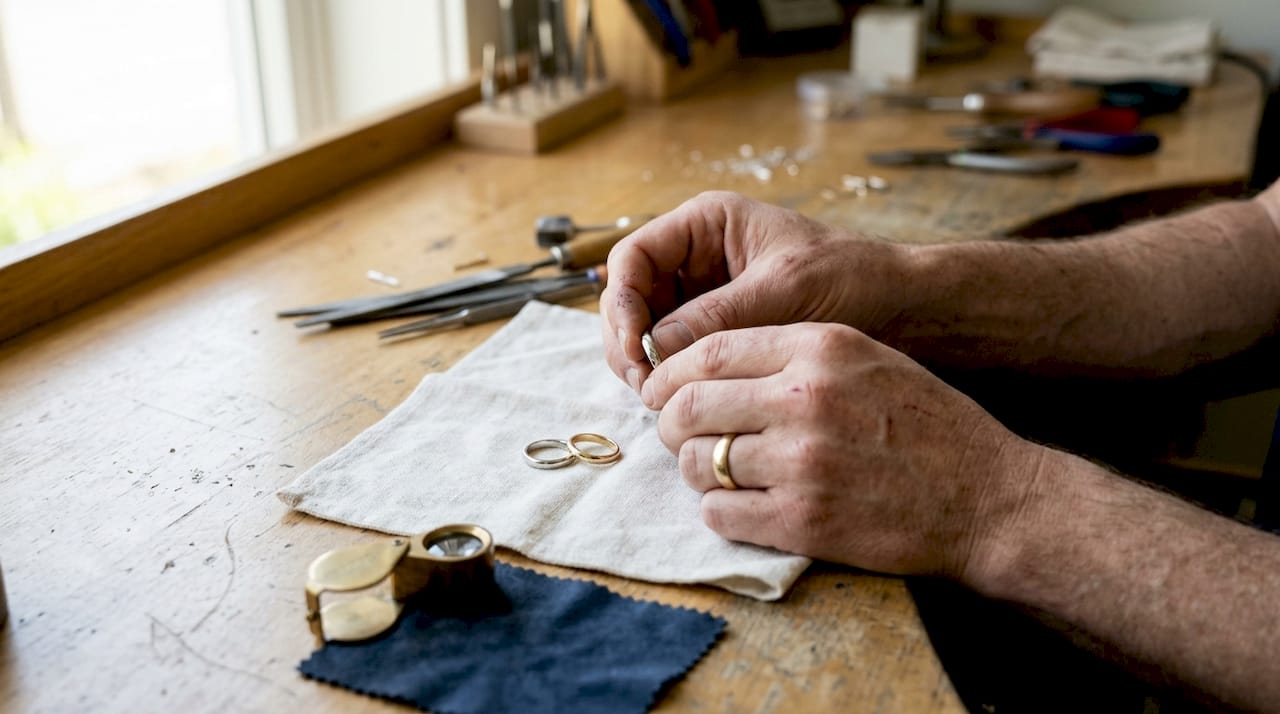
Pro Tip: Prioritize diamond cut over carat weight. A well-cut 1ct stone will outshine a poorly cut 1.5ct stone every time. Cut is the single biggest driver of brilliance.
The step-by-step custom jewelry process: from CAD design to delivery
Now that your choices are set, understand exactly how your vision becomes reality. Knowing each stage prevents surprises and helps you ask the right questions.
- Initial consultation: Share your vision, budget, and inspiration images
- Stone selection: Choose your diamond from certified inventory
- CAD design: Your jeweler creates a 3D digital model; unlimited revisions at this stage
- Prototype/wax model: A physical mock-up lets you feel the ring before metal is poured
- Crafting: The piece is cast, set, and finished by hand
- Final approval: You inspect the finished piece before accepting delivery
- Delivery and aftercare: Receive documentation, warranty, and care instructions
The custom design process typically runs 4 to 8 weeks. Complex designs or holiday rushes can push that to 12 weeks, so plan ahead. Working with a local Denver jeweler through the engagement ring process reduces shipping risk and allows in-person check-ins at each stage.
| Stage | Typical duration | Key action for you |
|---|---|---|
| Consultation and design | 1 to 2 weeks | Provide clear inspiration and feedback |
| CAD and prototype | 1 to 2 weeks | Review and approve the model |
| Crafting and setting | 2 to 3 weeks | Stay available for quick approvals |
| Final check and delivery | 3 to 5 days | Inspect thoroughly before accepting |
Ask your jeweler about questions for your jeweler covering resizing policies, aftercare guarantees, and portfolio examples. Notably, 10 to 15% of US engagement rings now feature lab-grown diamonds, a number that continues to grow.
Ethics, certifications, and aftercare: the responsible luxury checklist
With the framework for creating your jewelry set, focus on the standards that ensure your investment remains ethical, certified, and protected. This is the step most buyers skip, and it’s the one they most often regret.
Verifying certifications from GIA or IGI is non-negotiable for lab-grown stones. These independent labs grade cut, color, clarity, and carat weight with no financial stake in the outcome. A jeweler who resists providing certification is a red flag.
Your ethics and certification checklist:
- Request GIA or IGI grading report for every stone
- Ask for documented sourcing information (mine origin or lab of origin)
- Confirm the jeweler’s traceability policy in writing
- Verify that recycled or responsibly sourced metals are used
- Review the warranty: what’s covered, for how long, and under what conditions
Local sourcing in Denver matters beyond ethics. A local jeweler means faster repairs, in-person inspections, and a real relationship with the person responsible for your piece. Our ethics and certifications guide covers what to look for in detail.
“GIA and IGI certification for lab-grown stones, combined with transparent sourcing policies, are the baseline for responsible luxury jewelry purchases.”
Aftercare is just as important as the purchase itself. Schedule annual inspections to check prong integrity and stone security. Confirm resizing is included or clearly priced. Get every guarantee in writing before you leave the store.
Pro Tip: Always ask for documented certification and a detailed warranty in writing. Verbal promises don’t protect a five-figure investment.
The overlooked reality: what truly makes a custom piece stand out in Denver
Here’s something most jewelry guides won’t tell you: the technical checklist is the easy part. What separates a forgettable ring from a piece that becomes a family heirloom is how well it captures a specific story.
We’ve seen Denver couples spend more on a slightly larger stone and less on the design conversation. The result looks expensive but feels generic. The couples who end up with truly remarkable pieces are the ones who spent time communicating their actual life, not just their aesthetic preferences.
Lab-grown diamonds aren’t a compromise. They’re a strategic upgrade that lets you elevate your engagement ring with a bolder design, a more intricate setting, or a larger stone than your budget would otherwise allow. The smartest clients use that savings to invest in craftsmanship and design detail, not just size.
Local expertise also matters more than people realize. A Denver jeweler who knows your lifestyle, understands the climate, and can meet you in person for approvals is worth more than a slightly lower price from an online-only retailer. Insist on seeing real finished examples, not just digital renderings, before you give final approval. Renderings look perfect. Real pieces reveal the truth.
Ready to design your dream piece?
If you’re ready to apply this checklist and turn your vision into reality, here’s where to start.
At Eternal Carat, every piece begins with a private, one-on-one consultation at our appointment-only Parker, Colorado location. We specialize in bespoke lab-grown jewelry crafted with full transparency, from certified stones to documented sourcing and written warranties. Our design team works with you through every CAD revision until the piece is exactly right.
Browse our collection, including pieces like our lab-grown marquise diamond earrings, to see the quality and detail we bring to every design. Book your consultation today and experience what truly custom luxury feels like.
Frequently asked questions
How long does the custom jewelry design process take in Denver?
Most Denver custom jewelers deliver in 4 to 8 weeks, but allow extra time during holidays or for highly complex designs, which can extend the timeline to 12 weeks.
Are lab-grown diamonds as durable and valuable as natural diamonds?
Lab-grown diamonds are identical in durability and optical quality to natural stones, but they typically carry lower resale value over time.
What are the most important design choices for engagement rings?
Diamond cut impacts sparkle more than any other factor; pair that with a setting that matches your lifestyle and a metal that suits your daily routine for the best long-term result.
How do I ensure my custom piece is ethically sourced?
Always request a GIA or IGI grading report and ask your jeweler directly about their sourcing and traceability policies before committing to a purchase.


