

Searching for the perfect engagement ring can become a maze of details, especially when every decision shapes both meaning and legacy. For couples in Denver focused on luxury meeting ethical sourcing, the right diamond setting is more than just style—it is about how beauty and responsibility intertwine. This guide brings to light the truths and misconceptions that influence both the sparkle on your hand and the impact behind each choice.
Table of Contents
- Diamond Ring Setting Basics and Misconceptions
- Popular Diamond Ring Setting Types and Variations
- How Different Settings Affect Sparkle and Security
- Lab-Grown Diamonds and Setting Compatibility
- Financial, Lifestyle, and Sustainability Implications
- Common Mistakes When Selecting Your Setting
Key Takeaways
| Point | Details |
|---|---|
| Understand the Purpose of Settings | Engagement ring settings serve to enhance aesthetic presentation while providing structural protection to the diamond. |
| Select Based on Lifestyle | Choose ring settings that align with your daily activities to ensure durability and comfort. |
| Prioritize Professional Consultation | Engage with a jeweler for personalized advice to navigate the trade-offs between aesthetics and security in your chosen setting. |
| Consider Sustainability and Cost | Lab-grown diamonds offer significant savings and lower environmental impact while maintaining compatibility with traditional settings. |
Diamond Ring Setting Basics and Misconceptions
Engagement ring settings are far more than just aesthetic choices - they represent the delicate balance between showcasing a diamond’s beauty and ensuring its long-term protection. Many couples approach ring selection with preconceived notions that can lead to suboptimal decisions. Understanding the fundamental principles of ring settings helps transform your selection from a simple purchase to a strategic investment.
Diamond settings fundamentally serve two critical purposes:
- Aesthetic presentation: Highlighting the diamond’s brilliance and visual impact
- Structural protection: Securing the stone against potential damage or loss
Contrary to popular belief, engagement ring settings dramatically influence diamond perception. The setting’s design can make a diamond appear larger, enhance its sparkle, or completely transform its visual character. Some common misconceptions include:
- Believing all settings provide equal stone security
- Assuming white metals always maximize perceived diamond size
- Thinking setting style doesn’t impact overall ring durability
The most critical aspect of selecting a ring setting is understanding how different styles interact with your specific diamond’s cut, proportions, and intended everyday wear. Prong settings, bezel settings, and pavé designs each offer unique advantages and potential limitations.
Prong Settings: These classic configurations use metal claws to hold the diamond, typically ranging from four to six prongs. While they maximize light performance by exposing more diamond surface, they also require more frequent professional inspection to ensure stone security.
Bezel Settings: Offering superior protection, these settings encircle the diamond’s entire perimeter with a metal rim. They’re ideal for active lifestyles but can slightly reduce light reflection compared to prong settings.
Pavé Settings: These intricate designs feature small accent diamonds surrounding the center stone, creating additional visual complexity and perceived size. However, they require more maintenance to preserve the delicate arrangement of smaller stones.
Pro tip: Always prioritize professional consultation when selecting a ring setting, as expert guidance can help you navigate the nuanced trade-offs between aesthetics, security, and long-term wearability.
Popular Diamond Ring Setting Types and Variations
Diamond ring settings are not just functional elements but artistic expressions that transform a simple stone into a breathtaking piece of jewelry. Engagement ring setting styles offer remarkable diversity in terms of aesthetic appeal, stone protection, and overall design philosophy.
The most prominent diamond ring settings include:
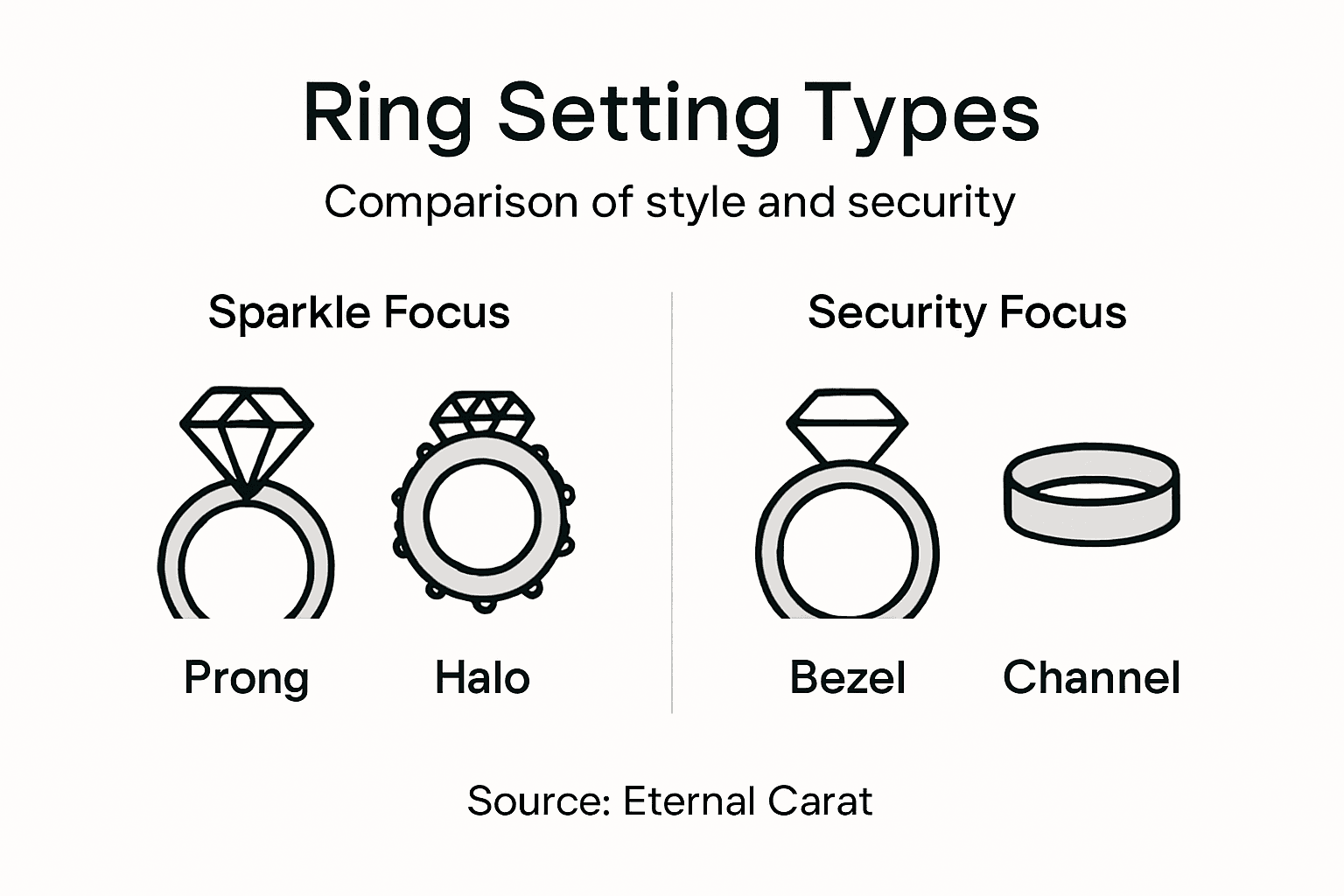
- Prong Settings: Classic design with metal claws holding the diamond
- Bezel Settings: Metal rim encircling the entire stone
- Halo Settings: Smaller diamonds surrounding the center stone
- Pavé Settings: Multiple small diamonds embedded along the band
- Tension Settings: Stone held by pressure between metal bands
- Cluster Settings: Multiple stones arranged in intricate patterns
Each setting type presents unique characteristics that dramatically influence the ring’s overall appearance and performance. Prong settings, for instance, maximize light reflection by exposing more diamond surface, creating exceptional brilliance. These typically feature four to six metal prongs that securely grip the stone while allowing maximum light penetration.
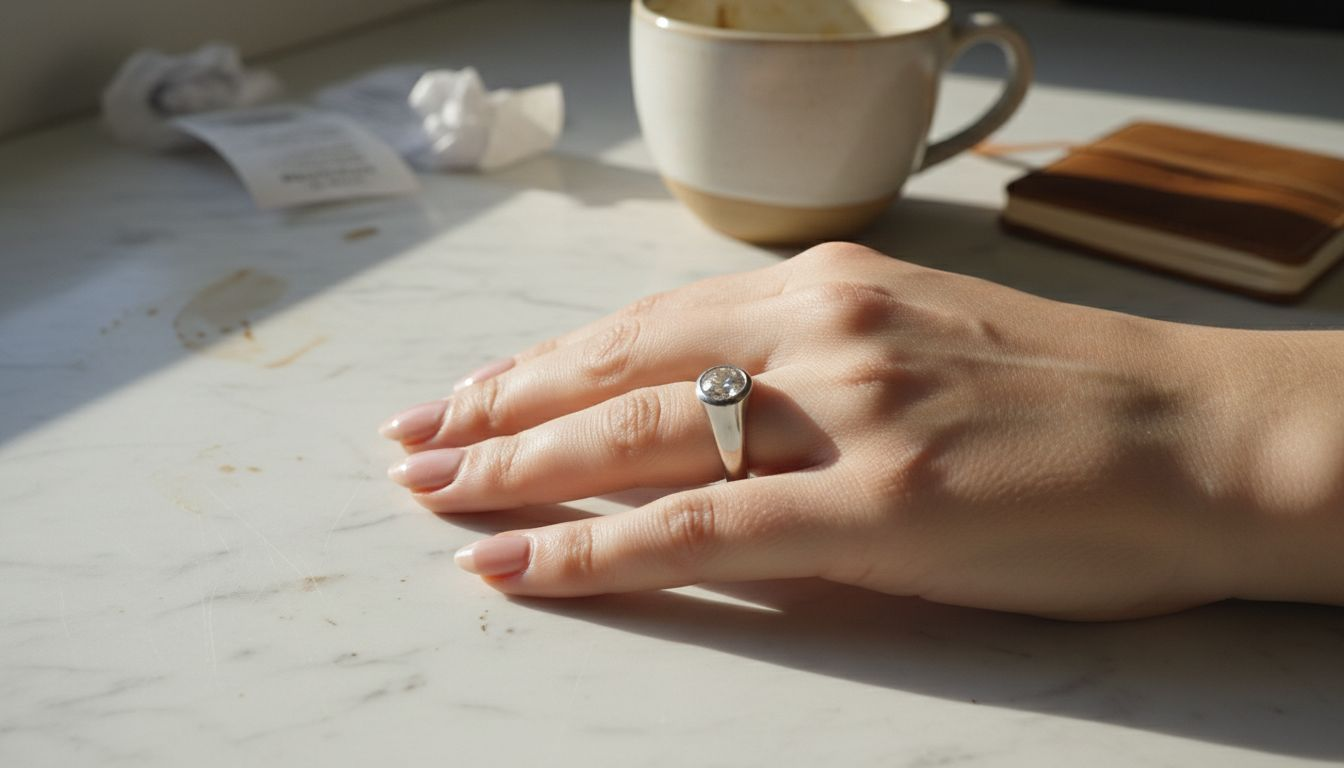
Bezel settings represent a more contemporary and protective approach. By completely surrounding the diamond’s perimeter with a metal rim, these settings offer superior stone security - an ideal choice for individuals with active lifestyles or professions requiring frequent hand movement. While slightly reducing light entry compared to prong settings, bezel designs provide unparalleled protection against accidental impacts.
Halo settings have gained significant popularity among couples seeking to maximize visual impact. By encircling the center diamond with smaller accent stones, these settings create an illusion of increased size and enhanced sparkle. The surrounding stones not only amplify the center stone’s perceived dimensions but also add intricate visual complexity to the overall design.
Vintage-inspired settings offer a nostalgic alternative for those drawn to historical design elements. These intricate configurations often incorporate milgrain detailing, elaborate metalwork, and asymmetrical arrangements that tell a unique story. Vintage settings can transform a simple diamond into a conversation piece that reflects personal style and historical appreciation.
Selecting the right setting involves careful consideration of personal lifestyle, aesthetic preferences, and practical requirements. Active individuals might prioritize security, while those seeking maximum brilliance could lean towards settings that maximize light performance.
Pro tip: Consider trying on multiple setting styles and observing how they interact with your specific hand shape, skin tone, and personal style before making a final selection.
Here’s a side-by-side look at how popular diamond ring settings influence everyday wear and maintenance:
| Setting Type | Best For | Maintenance Frequency | Impact on Daily Activities |
|---|---|---|---|
| Prong | Maximum sparkle | Every 6-12 months | Moderate; avoid heavy impacts |
| Bezel | Active lifestyles | Annual edge checks | High durability for daily wear |
| Halo | Visual impact seekers | Frequent stone checks | May snag on fabrics |
| Tension | Modern aesthetics | Regular tension tests | Suits confident daily wear |
How Different Settings Affect Sparkle and Security
A diamond’s true brilliance is not just about the stone itself, but how it’s held and presented through its setting. The intricate relationship between a ring’s setting and its overall visual performance involves a delicate balance of light reflection, structural integrity, and aesthetic design.
Key factors influencing a diamond’s sparkle and security include:
- Light Performance: How much light enters and reflects through the stone
- Metal Coverage: Amount of diamond surface area exposed
- Structural Integrity: Strength of stone attachment
- Impact Resistance: Ability to withstand daily wear and potential impacts
Prong settings represent the ultimate compromise between maximum sparkle and moderate security. With minimal metal contact, these settings allow unprecedented light penetration, creating exceptional brilliance. Typically featuring four to six thin metal claws, prong settings expose up to 90% of the diamond’s surface, enabling maximum light reflection and creating that signature diamond fire and scintillation.
Bezel settings, by contrast, prioritize security over pure optical performance. By completely encasing the diamond’s perimeter with a metal rim, these settings offer superior protection against accidental impacts and daily wear. While they slightly reduce light entry, modern bezel designs incorporate strategic cutouts and reflective surfaces to maintain impressive light performance.
Halo settings offer a unique approach to enhancing both sparkle and perceived stone size. By surrounding the center diamond with smaller accent stones, these settings create a multi-dimensional light show. The additional stones not only amplify the center stone’s visual impact but also provide a protective barrier around the main diamond.
Tension settings represent the cutting edge of diamond mounting technology. These innovative designs use precise metal engineering to hold the stone using carefully calculated pressure, creating a seemingly floating effect. While visually stunning, tension settings require exceptional metallurgical precision to ensure long-term stone security.
Diamond settings are not just about aesthetics - they’re a critical engineering decision that balances visual brilliance with physical protection.
Maintenance Considerations:
- Inspect prong settings every 6-12 months for potential loosening
- Check bezel edges for potential metal fatigue or separation
- Ensure tension settings maintain consistent metal tension
- Professional cleaning helps maintain setting integrity
Pro tip: Schedule a professional ring inspection annually to ensure your diamond’s setting remains secure and your stone’s brilliance is maintained.
Lab-Grown Diamonds and Setting Compatibility
Lab-grown diamonds represent a revolutionary approach to ethical and sustainable jewelry design, offering identical gemological properties to natural diamonds. These scientifically created stones are not just alternatives but genuine diamonds that match traditional stones in every critical aspect of performance and aesthetic potential.
Key characteristics of lab-grown diamonds include:
- Identical Chemical Composition: Same atomic structure as natural diamonds
- Equivalent Hardness: Rated 10 on the Mohs scale
- Full Optical Performance: Identical light reflection and brilliance
- Universal Setting Compatibility: Work with all standard diamond settings
Setting Compatibility is perhaps the most critical consideration for couples exploring lab-grown diamonds. Unlike some alternative gemstones, lab-created diamonds can be set in precisely the same configurations as mined diamonds. Whether you prefer classic prong settings, protective bezel designs, or intricate vintage-inspired mountings, lab-grown stones offer complete versatility.
Two primary diamond growth technologies - High Pressure High Temperature (HPHT) and Chemical Vapor Deposition (CVD) - produce stones with consistent qualities that seamlessly integrate into traditional and contemporary ring designs. These advanced manufacturing processes ensure that lab-grown diamonds possess identical structural characteristics, allowing jewelers to treat them exactly like natural diamonds during setting and mounting.
Precision Engineering plays a crucial role in setting compatibility. Modern lab-grown diamonds undergo rigorous quality control, ensuring uniform dimensions, exceptional clarity, and predictable structural integrity. This consistency actually makes them potentially easier to set than naturally mined stones, which can have more variable characteristics.
Lab-grown diamonds are not imitations - they are scientifically identical diamonds created through advanced technological processes.
Considerations for setting lab-grown diamonds include:
- Verify diamond dimensions and cut precision
- Select settings matching the stone’s specific shape
- Consider your lifestyle and daily wear patterns
- Prioritize professional setting and mounting services
Pro tip: Consult with a professional jeweler who specializes in lab-grown diamonds to understand the nuanced setting recommendations for your specific stone.
This table summarizes how lab-grown and mined diamonds compare across key purchase factors:
| Factor | Lab-Grown Diamond | Mined Diamond |
|---|---|---|
| Price | 30-50% lower | Traditionally higher |
| Environmental Impact | Minimal | Significant |
| Ethical Concerns | None | Varies by source |
| Setting Compatibility | Universal | Universal |
Financial, Lifestyle, and Sustainability Implications
Sustainability in the diamond industry represents a profound shift in consumer values, transforming engagement rings from mere decorative objects into statements of personal ethics and environmental responsibility. Modern couples are increasingly evaluating their jewelry choices through a lens of transparency, ecological impact, and long-term value.
Key sustainability considerations include:
- Reduced Carbon Footprint: Lab-grown diamonds generate significantly lower environmental emissions
- Ethical Sourcing: Eliminate concerns about mining-related human rights issues
- Transparency: Clear documentation of diamond origin and production process
- Resource Conservation: Minimal land disruption compared to traditional mining
Financial Implications extend far beyond the initial purchase price. Lab-grown diamonds typically cost 30-50% less than comparable mined stones, allowing couples to invest in larger or higher-quality diamonds without expanding their budget. This price differential creates opportunities for more sophisticated settings, additional jewelry pieces, or alternative financial investments.
Lifestyle Compatibility plays a crucial role in diamond and setting selection. Active professionals, athletes, and individuals with hands-on occupations require settings that provide maximum stone security. Bezel and tension settings offer superior protection, while traditional prong settings might be more susceptible to potential damage. The choice between lab-grown and mined diamonds becomes part of a holistic lifestyle decision.
The modern engagement ring is more than a symbol of love - it’s a reflection of personal values, technological innovation, and environmental consciousness.
Comprehensive evaluation factors include:
- Initial purchase cost
- Long-term maintenance expenses
- Potential resale or upgrade value
- Personal lifestyle and wear patterns
- Ethical and environmental considerations
Pro tip: Consider consulting a financial advisor or jewelry professional who specializes in sustainable luxury to understand the complete economic landscape of your diamond investment.
Common Mistakes When Selecting Your Setting
Diamond setting selection requires careful consideration of multiple factors beyond simple aesthetic preferences. Many couples inadvertently make costly mistakes that compromise their ring’s long-term performance, durability, and visual appeal.
Common setting selection errors include:
- Ignoring Lifestyle Compatibility: Choosing delicate settings for active professions
- Overlooking Maintenance Requirements: Selecting complex designs difficult to clean
- Underestimating Metal Durability: Picking soft metals unsuitable for daily wear
- Neglecting Future Resizing Potential: Selecting settings with limited modification options
Lifestyle Misalignment represents the most critical mistake couples make when selecting ring settings. An intricate pavé setting might look stunning in a jewelry display, but it becomes impractical for surgeons, athletes, or professionals working with machinery. Each setting type demands different levels of care and offers varying degrees of stone security.
Metal Selection plays a crucial role in setting durability and long-term performance. Softer metals like pure gold can deform under consistent stress, while platinum and certain gold alloys provide superior structural integrity. The interaction between metal type, setting style, and individual lifestyle determines the ring’s resilience.
Not all beautiful settings are practical, and not all practical settings are beautiful - the art is finding the perfect balance.
Key considerations when avoiding setting mistakes:
- Assess your daily professional and personal activities
- Understand metal durability characteristics
- Consider long-term maintenance requirements
- Evaluate potential future lifestyle changes
- Consult professional jewelers for personalized advice
Pro tip: Schedule a professional consultation that includes a comprehensive lifestyle assessment to identify the most suitable ring setting for your specific needs.
Discover Your Perfect Diamond Ring Setting at Eternal Carat
Choosing the ideal diamond ring setting is more than just selecting a beautiful design. It involves balancing sparkle, security, and style to match your unique lifestyle and personal values. Whether you desire the dazzling brilliance of prong settings, the robust protection of bezel styles, or the sophisticated allure of halo designs, understanding these options can feel overwhelming. At Eternal Carat, we specialize in guiding you through this important decision with expert consultations and bespoke fine jewelry crafted around your needs.
Experience firsthand how our exquisite lab-grown diamonds combine ethical luxury with exceptional craftsmanship. Visit us online at Eternal Carat or book a private appointment at our Parker, Colorado location to explore custom settings that maximize your diamond’s brilliance and durability. Take the first step toward an engagement ring that reflects your values and lifestyle perfectly by scheduling your consultation today.
Frequently Asked Questions
What are the primary functions of a diamond ring setting?
Diamond ring settings serve two main purposes: aesthetic presentation, which highlights the diamond’s brilliance, and structural protection, ensuring the stone is securely held to prevent damage or loss.
How do different settings affect the sparkle of a diamond?
Settings like prong settings maximize light exposure and reflection, enhancing the diamond’s sparkle, while bezel settings offer more protection but may reduce light entry slightly, impacting overall brilliance.
What are the maintenance requirements for various diamond ring settings?
Prong settings require inspection every 6-12 months, bezel settings need annual edge checks, and pavé settings require frequent stone checks to maintain their intricate arrangement due to the smaller stones involved.
Can lab-grown diamonds be set in any type of ring setting?
Yes, lab-grown diamonds are universally compatible with all standard diamond settings, including prong, bezel, halo, and tension settings, as they possess the same chemical and optical properties as natural diamonds.
Recommended
- 7 Types of Custom Engagement Rings for Stylish Couples – Eternal Carat
- 7 Unique Design Ideas for Engagement Rings with Lab Diamonds – Eternal Carat
- 7 Inspiring Examples of Custom Engagement Rings Explained – Eternal Carat
- Modern Engagement Ring Styles: Sustainability Meets Luxury – Eternal Carat
- What is a Smart Ring? Understanding Its Technology and Impact – buy2fix


