

Choosing an engagement ring or custom piece of jewelry often marks one of life’s most meaningful milestones, especially for couples who value artistry and conscious luxury. In Denver, the demand for personalized designs crafted with ethically sourced materials is transforming traditional jewelry selection into an intimate, collaborative journey. Today, advances like computer-aided design and generative artificial intelligence empower clients and artisans to create truly unique pieces that honor both personal style and sustainable values.
Table of Contents
- Defining Custom Design Jewelry Today
- Types of Custom Jewelry and Styles
- Design Process: From Idea to Creation
- Lab-Grown Diamonds and Ethical Sourcing
- Costs, Timelines, and Common Pitfalls
Key Takeaways
| Point | Details |
|---|---|
| Custom Jewelry Blends Art and Technology | Today’s custom jewelry design combines personalized artistry with advanced technology like CAD and generative AI for unique creations. |
| Cultural Significance | Each piece of custom jewelry serves as a medium of personal storytelling, reflecting individual tastes and cultural backgrounds. |
| Ethical Practices in Sourcing | Lab-grown diamonds provide an ethical alternative to traditional stones, appealing to modern consumers prioritizing sustainability and transparency. |
| Communication is Key | Clear communication and mutual understanding between clients and designers are essential to successful custom jewelry projects, minimizing potential pitfalls. |
Defining Custom Design Jewelry Today
Custom design jewelry represents a sophisticated intersection of artistic vision and personal storytelling, transforming traditional metalworking into a deeply personalized luxury experience. Jewelry design techniques have evolved dramatically over thousands of years, transitioning from ancient craftsmanship to modern technological innovation.
Today’s custom jewelry design encompasses multiple sophisticated approaches that blend traditional skill with cutting-edge technology. Key characteristics include:
- Personalized conceptualization based on individual client preferences
- Integration of computer-aided design (CAD) technologies
- Emphasis on ethical sourcing and sustainable materials
- Collaboration between skilled artisans and clients
- Advanced techniques for creating intricate, unique pieces
The emergence of generative artificial intelligence has further transformed this creative landscape, offering designers unprecedented tools for generating unique concepts. AI-assisted design technologies now augment human creativity, allowing for more complex and personalized design possibilities without replacing the essential human artistic touch.
Technological Evolution
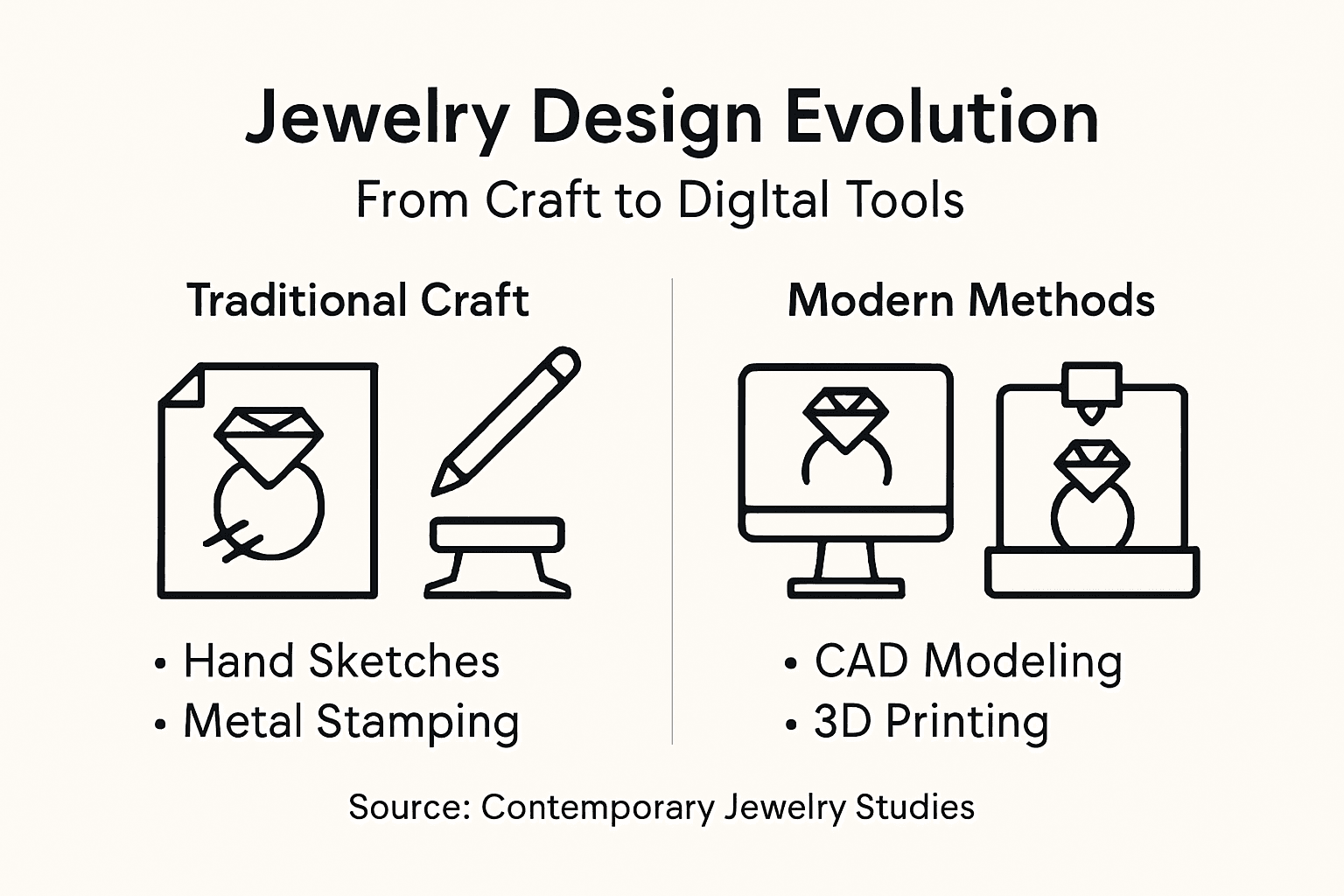
Modern custom jewelry design integrates advanced digital tools with traditional craftsmanship. Designers now utilize sophisticated software that enables precise 3D modeling, allowing clients to visualize and modify designs before final production. This technological integration ensures greater precision, reduces waste, and provides an immersive design experience.
Cultural Significance
Beyond aesthetic appeal, custom jewelry represents a profound form of personal expression. Each piece tells a unique story, reflecting individual tastes, cultural backgrounds, and emotional connections. The design process has transformed from a transactional exchange to an intimate collaborative journey.
Pro tip: When exploring custom jewelry design, prioritize designers who offer comprehensive consultations and leverage both technological precision and artistic intuition.
Types of Custom Jewelry and Styles
Custom jewelry offers an expansive world of design possibilities, ranging from minimalist elegance to intricate, storytelling pieces. Jewelry styles and design elements encompass a diverse array of aesthetic approaches that reflect personal taste, cultural heritage, and individual expression.
The primary categories of custom jewelry include:
- Engagement Rings: Symbolizing commitment with unique design elements
- Statement Necklaces: Bold pieces that capture personal narrative
- Personalized Bracelets: Commemorative and meaningful wrist accessories
- Bespoke Earrings: Tailored to individual facial structure and style
- Heirloom-Inspired Pieces: Designs that connect generations
Gem Settings and Styles
Custom jewelry design is profoundly influenced by specific gem settings and stylistic choices. Different settings can dramatically transform a piece’s appearance and functionality. Common gem settings include:
- Prong settings for maximum light reflection
- Bezel settings for enhanced stone protection
- Channel settings for sleek, contemporary looks
- Pavé settings for enhanced brilliance
- Tension settings for modern, minimalist designs
Cultural and Personal Expression
Beyond aesthetic considerations, custom jewelry serves as a medium of personal storytelling. Each piece can incorporate symbolic elements, family history, or significant life moments. The design process becomes a collaborative journey between artisan and client, transforming raw materials into wearable art that resonates with deep personal meaning.
Materials and Techniques
Modern custom jewelry design leverages an impressive range of materials and techniques. From recycled precious metals to lab-grown gemstones, designers now have unprecedented flexibility in creating unique, ethically sourced pieces. Advanced technologies like 3D printing and computer-aided design allow for unprecedented precision and creativity in jewelry fabrication.
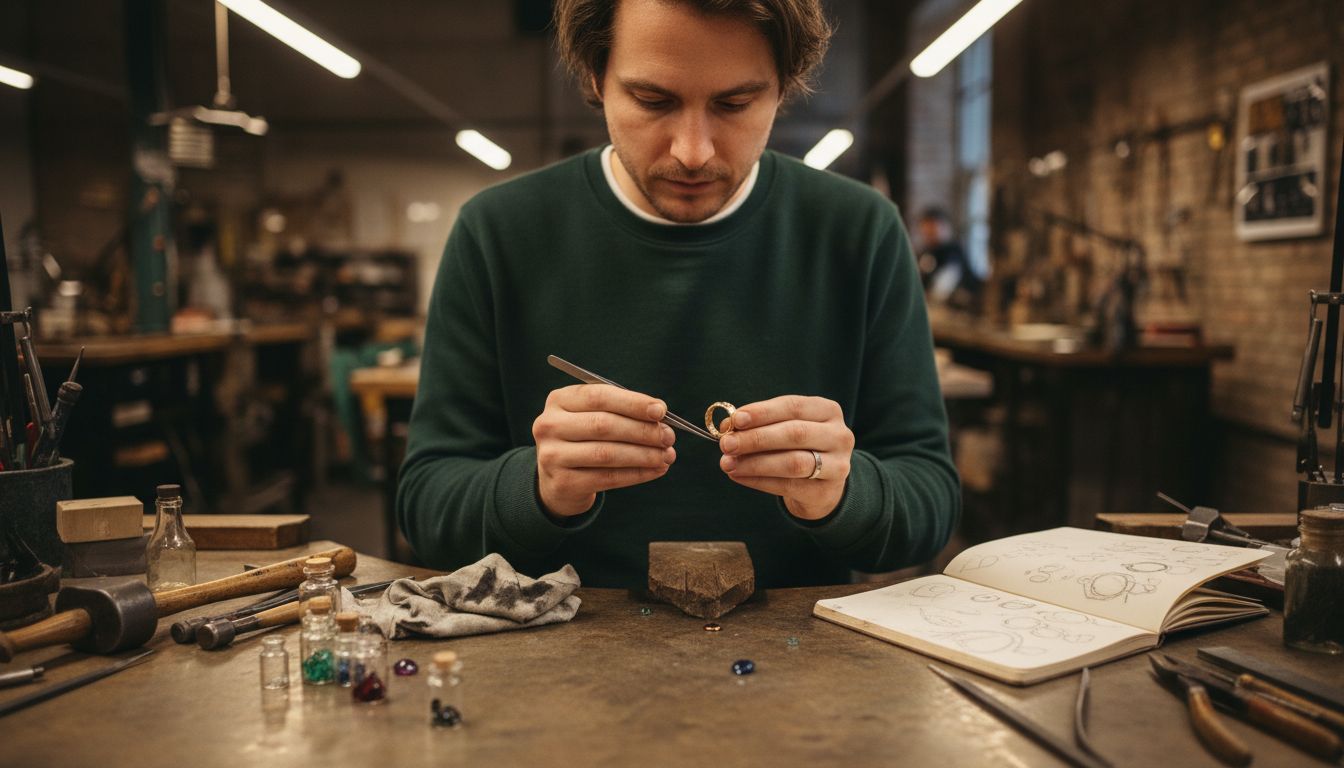
Pro tip: When exploring custom jewelry design, consider consulting with designers who demonstrate flexibility in material selection and a nuanced understanding of personal storytelling through design.
Design Process: From Idea to Creation
Custom jewelry design represents a meticulous journey from initial concept to wearable art, transforming abstract ideas into tangible, personal expressions. Contemporary design methodologies have revolutionized this process, integrating advanced technologies with traditional craftsmanship to create truly unique pieces.
The custom jewelry design process typically involves several critical stages:
- Conceptualization: Initial inspiration and client consultation
- Sketching: Translating ideas into visual representations
- Digital Rendering: Creating precise 3D computer models
- Prototyping: Developing initial physical or digital models
- Refinement: Iterative design adjustments
- Final Production: Crafting the ultimate piece
Technological Integration
Generative design techniques now play a crucial role in modern jewelry creation. Advanced software enables designers to explore complex geometries, test structural integrity, and rapidly iterate designs. This technological approach allows for unprecedented precision and creativity, bridging the gap between artistic vision and technical execution.
Collaborative Design Journey
The custom jewelry design process is fundamentally a collaborative experience. Designers work closely with clients to understand their vision, personal style, and emotional connections. This intimate dialogue transforms the design from a mere concept into a deeply meaningful piece that tells a unique story. Clients are actively involved in material selection, design refinement, and final approval, ensuring the piece reflects their individual aesthetic and sentiment.
Prototyping and Refinement
Modern design processes leverage multiple prototyping techniques. Designers may create digital 3D models, wax representations, or detailed sketches to help clients visualize the final piece. This iterative approach allows for extensive customization, enabling clients to make informed decisions about every aspect of their jewelry, from metal type to stone placement.
Custom jewelry design is a delicate balance between technological innovation and personal artistic expression.
Technical Considerations
Successful custom jewelry design requires a sophisticated understanding of materials, structural integrity, and wearability. Designers must consider factors such as metal durability, stone setting techniques, and ergonomic design to create pieces that are not just beautiful, but also functional and long-lasting.
Below is a summary of critical stages in the custom jewelry design process paired with key considerations for each phase:
| Stage | Main Activity | Client’s Role | Designer’s Focus |
|---|---|---|---|
| Conceptualization | Gathering inspiration | Share ideas, preferences | Understand client vision |
| Sketching | Creating initial designs | Review rough sketches | Translate concepts |
| Digital Modeling | 3D rendering and prototypes | Approve or suggest edits | Ensure technical accuracy |
| Production | Final crafting and finishing | Final approval before make | Craftsmanship, quality |
Pro tip: Approach your custom jewelry design consultation with clear inspiration references, personal stories, and an open mind to collaborative creativity.
Lab-Grown Diamonds and Ethical Sourcing
Lab-grown diamonds represent a revolutionary approach to luxury jewelry, offering an ethically conscious alternative to traditional mined stones. Advanced diamond production techniques have transformed the gemstone industry, creating stones that are virtually indistinguishable from natural diamonds while addressing critical environmental and social concerns.
Key advantages of lab-grown diamonds include:
- Sustainability: Significantly reduced environmental impact
- Affordability: Lower production costs compared to mined diamonds
- Ethical Production: No association with conflict mining
- Quality Consistency: Precise control over diamond characteristics
- Technological Innovation: Advanced creation methods
Production Technologies
Two primary methods dominate lab-grown diamond production: Chemical Vapor Deposition (CVD) and High Pressure High Temperature (HPHT). These sophisticated techniques replicate the natural diamond formation process, creating stones with identical physical, chemical, and optical properties to mined diamonds. The result is a product that meets the highest standards of luxury and quality while offering a more responsible alternative.
Ethical and Regulatory Landscape
Industry guidelines for lab-grown diamonds have emerged to ensure transparency and consumer confidence. These comprehensive standards address critical aspects of diamond description, certification, and trading, emphasizing the importance of responsible sourcing and clear communication about a stone’s origin.
Lab-grown diamonds represent more than a technological achievement—they are a statement of conscious luxury.
Consumer Impact
The rise of lab-grown diamonds reflects a broader shift in consumer values. Modern buyers increasingly prioritize sustainability, ethical production, and transparency. These diamonds offer a way to enjoy luxury without compromising personal values, providing a guilt-free alternative that does not sacrifice beauty or quality.
Environmental Considerations
Traditional diamond mining involves significant environmental disruption, including landscape destruction, water pollution, and substantial carbon emissions. Lab-grown diamonds dramatically reduce these negative impacts, requiring fewer resources and generating minimal ecological damage during production.
Here’s a quick comparison of traditional mined diamonds and lab-grown diamonds for custom jewelry buyers:
| Aspect | Traditional Mined Diamonds | Lab-Grown Diamonds |
|---|---|---|
| Environmental Impact | High due to mining practices | Low with eco-friendly production |
| Ethical Concerns | Risk of conflict sourcing | Transparent supply chain |
| Price Stability | Subject to market fluctuations | More predictable pricing |
| Customization Level | Limited by natural availability | Highly customizable for design |
Pro tip: When selecting a lab-grown diamond, request detailed certification and ask about the specific production methodology to ensure full transparency.
Costs, Timelines, and Common Pitfalls
Custom jewelry creation is a complex process involving intricate financial and temporal considerations. Advanced manufacturing technologies have transformed traditional production methods, offering new opportunities for cost management and design precision while introducing unique challenges.
Key factors influencing custom jewelry costs and timelines include:
- Design Complexity: Directly impacts production time and expense
- Material Selection: Determines base cost and fabrication requirements
- Technology Integration: Can reduce overall production expenses
- Consultation Depth: Affects preliminary design stages
- Customization Level: Increases production intricacy
Cost Breakdown
Jewelry creation stages typically involve multiple financial considerations. The total investment encompasses design consultation, material sourcing, crafting, and finishing. Clients should anticipate that more intricate designs require longer timelines and higher financial investments.
Timeline Expectations
Custom jewelry production timelines vary significantly based on project complexity. Simple designs might be completed within weeks, while elaborate pieces could require several months of meticulous work. Factors influencing duration include:
- Initial design consultation
- Prototype development
- Material procurement
- Fabrication process
- Final refinements and quality checks
Common Pitfalls
Most challenges in custom jewelry creation stem from miscommunication and unrealistic expectations. Potential issues include:
- Unclear design specifications
- Unexpected material cost fluctuations
- Misalignment between client vision and technical feasibility
- Delays in design approval
- Scope creep during the design process
Successful custom jewelry projects balance artistic vision with practical constraints.
Mitigating Risks
To minimize potential complications, clients should maintain open communication, provide clear design references, and remain flexible during the creative process. Establishing comprehensive initial agreements and maintaining regular check-ins can significantly reduce misunderstandings and project delays.
Pro tip: Always request a detailed project timeline and comprehensive cost breakdown before initiating your custom jewelry design to ensure alignment of expectations and budget.
Experience the Art of Custom Design Jewelry with Ethical Luxury
Crafting a truly unique piece of jewelry goes beyond selecting stones and metals. The article highlights the challenge of turning personal stories and complex design concepts into beautifully wearable art while maintaining ethical sourcing and leveraging advanced technology. If you seek a custom design process that combines sophisticated craftsmanship with lab-grown diamonds and precious metals, Eternal Carat delivers a private and personalized experience tailored to your vision. Whether you value sustainability, elegance, or the collaborative design journey, our expertise ensures your piece reflects both your personal narrative and the highest standards of quality.
Discover how you can transform your inspiration into a timeless treasure today. Visit Eternal Carat to explore our Custom Design & Fine Jewelry options and learn about our exclusive commitment to ethical luxury. Schedule a one-on-one consultation at our secure Parker, Colorado location or start your journey online for a seamless experience that honors your story and values. Take the first step toward creating a bespoke piece that truly speaks to you.
Frequently Asked Questions
What is custom design jewelry?
Custom design jewelry is a personalized luxury experience where clients collaborate with artisans to create unique pieces that reflect their individual tastes and stories.
How does the design process for custom jewelry work?
The design process typically involves several stages: conceptualization, sketching, digital rendering, prototyping, refinement, and final production, all with the client’s active involvement.
What are the benefits of lab-grown diamonds compared to traditional mined diamonds?
Lab-grown diamonds offer sustainability, affordability, ethical production, and quality consistency, making them a conscious choice for luxury jewelry without compromising on beauty.
What factors impact the cost and timeline of custom jewelry creation?
Key factors include design complexity, material selection, technology integration, the depth of consultation, and the level of customization desired by the client.


